
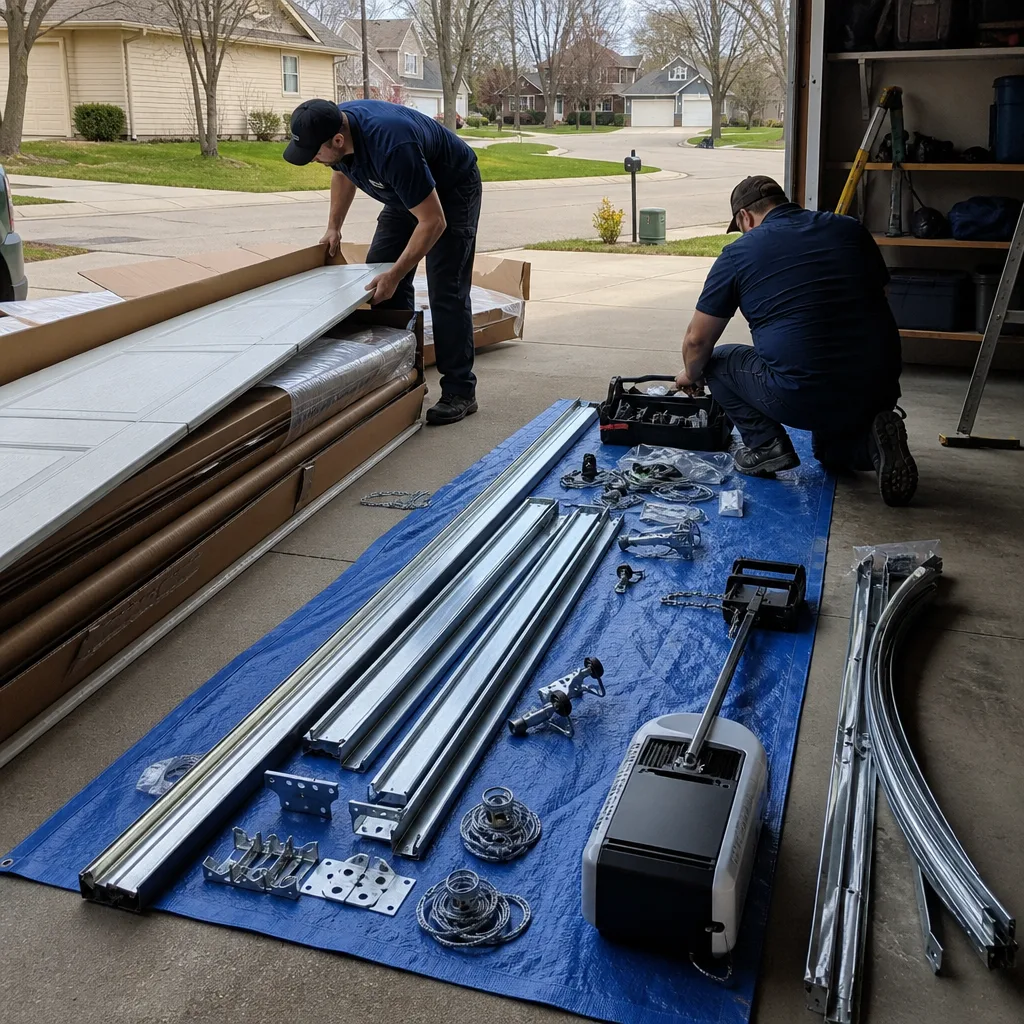
Last updated November 21, 2026
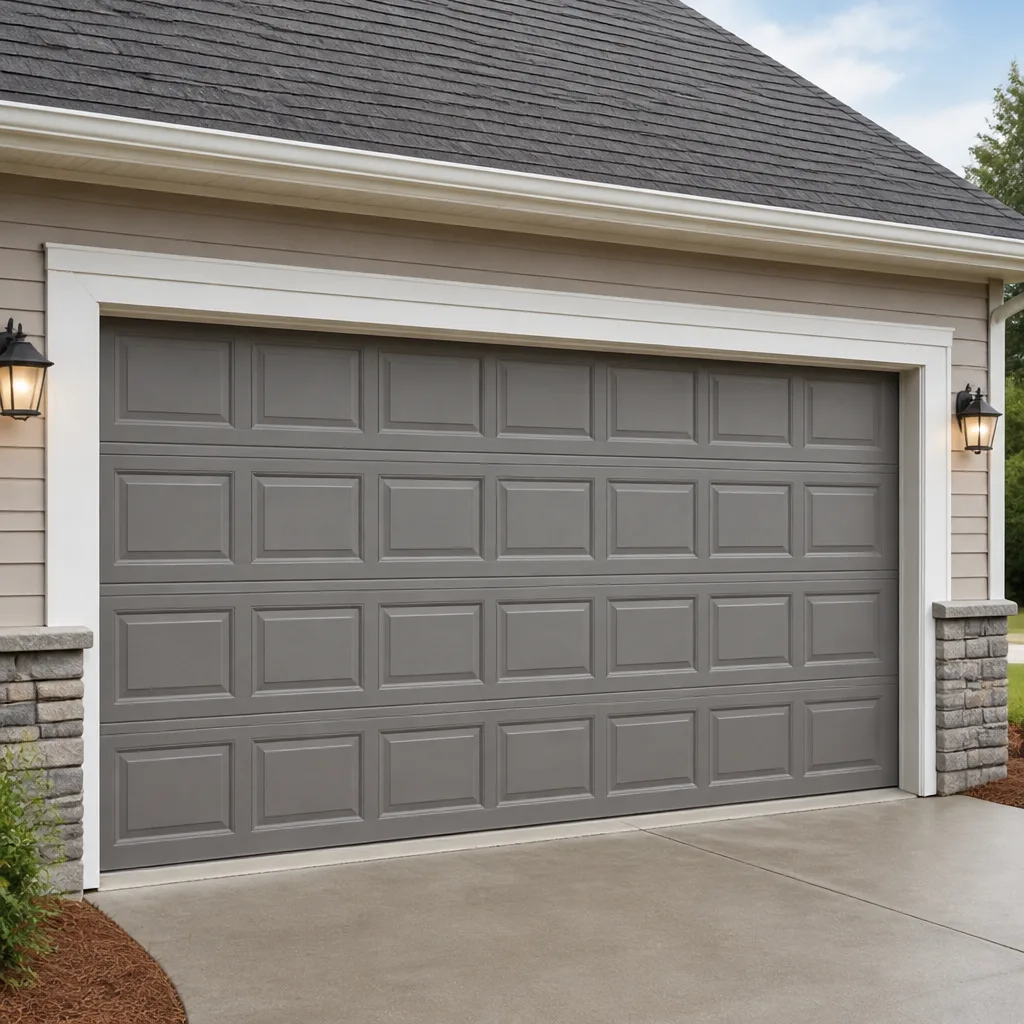 Raised-panel steel
 Carriage house
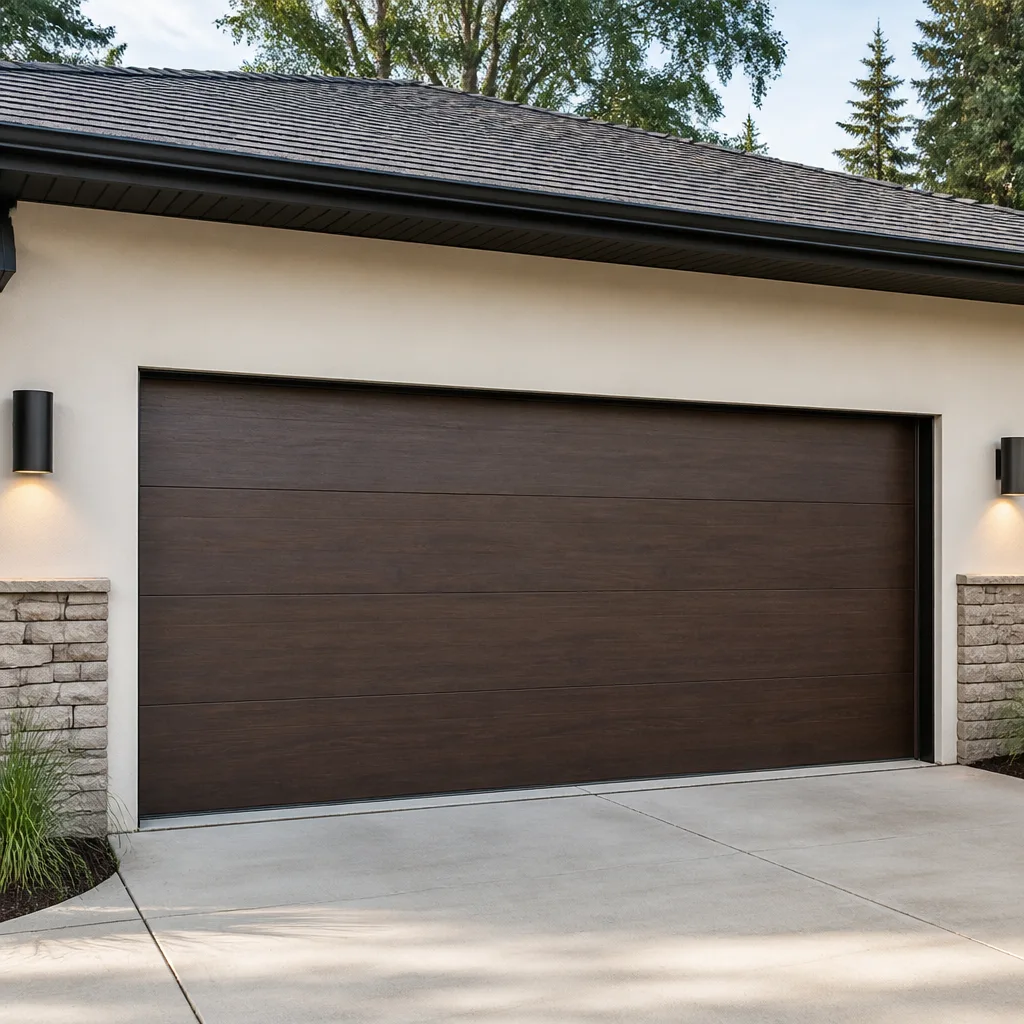 Modern flush
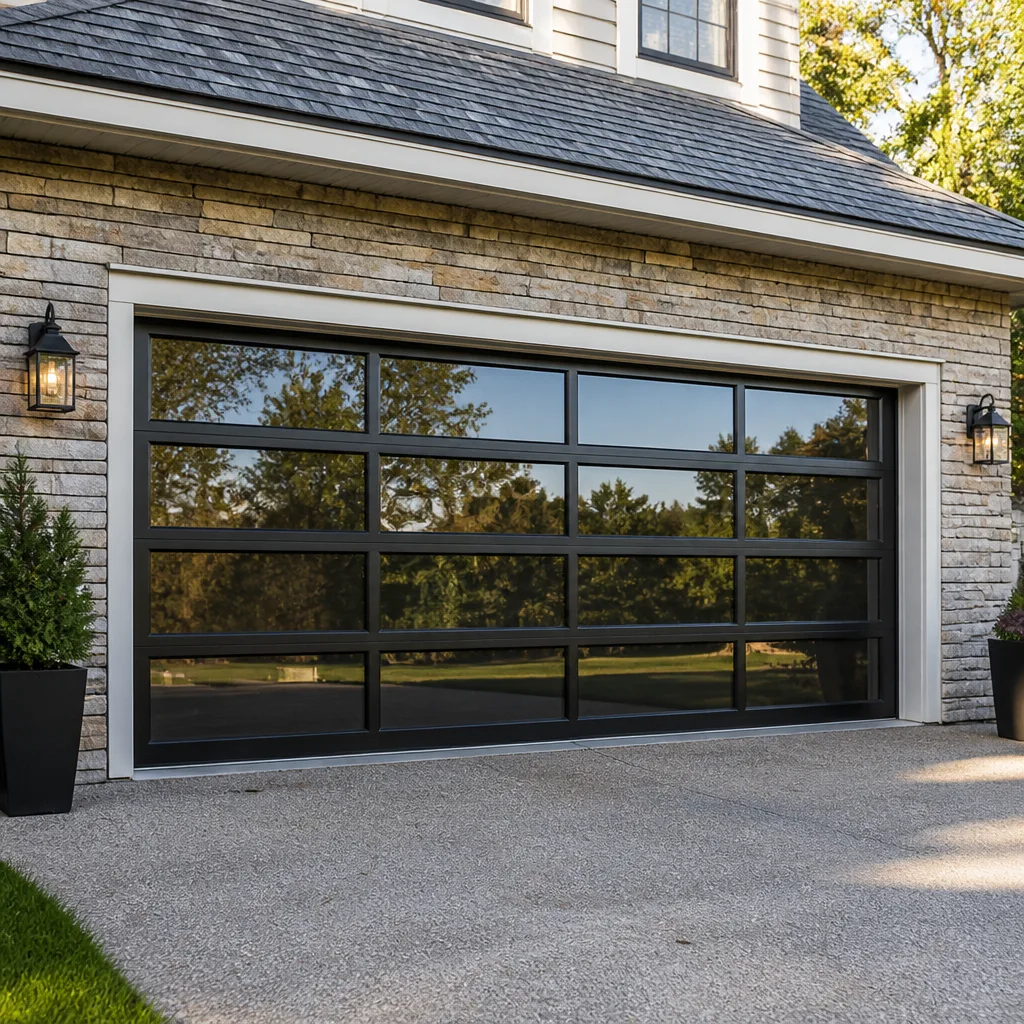 Full-view glass
 LiftMaster openers
 Chamberlain openers
Full 25-point door and opener safety check with every visit - springs, cables, rollers, tracks, and your LiftMaster or Chamberlain opener included
You get a price before we start. It does not change when the pro arrives.
Get your free estimateGarage Door Repair Maintenance Schedule: What to Do and When
Most garage door advice tells you to lubricate monthly. In Bloomington, that’s the wrong rhythm. A door here cycles hard through October mud, January freeze-thaw, and a sticky July, and each season loads a different part of the system. What actually protects a door is fewer, better-timed sessions: three checkpoints a year, each under 20 minutes, each aimed at the stress that’s about to hit. Get those three right and you’ll catch wear while it’s still a five-minute fix instead of a snapped cable. This guide lays out exactly what to do at each point, which lubricant to use in Minnesota cold, and how to test balance and safety reversal so you can read the result with confidence. The same schedule applies whether you have a Clopay steel door or an older Amarr out in the west Bloomington neighborhoods.
Quick Answer
Run three maintenance checkpoints a year: one in October before the freeze, one in April after it, and one in midsummer. Spend the most effort in October on lubrication, balance, and hardware torque, because cold is what breaks garage doors. Use a silicone-based or lithium-based garage door lubricant (never WD-40) on hinges, rollers, and the torsion spring, and keep it off the tracks and off the photo-eye lenses. Test the balance and safety reversal at every checkpoint, and log what you find so the next visit, or the next technician, starts with real information instead of a guess.
Styles & brands we work with
- Raised-panel steel
- Carriage house
- Modern flush
- Full-view glass
- LiftMaster openers
- Chamberlain openers
Table of Contents
- Why a Three-Checkpoint Schedule Beats a Monthly Routine
- The October Checkpoint: Before the Freeze
- The April Checkpoint: After the Thaw
- The Midsummer Checkpoint: Heat, Dust, and Grinding
- The Right Lubricant for Minnesota Cold (and What Never to Use)
- The Balance Test and Reversal Test: How to Read the Results
- The Hardware Torque Check: What Loosens and What It Sounds Like
- What to Log After Every Session
- Common Mistakes to Avoid
- When to Call a Professional
- Frequently Asked Questions
Why a Three-Checkpoint Schedule Beats a Monthly Routine
Manufacturer checklists tend to ask for monthly lubrication and a general look-over. That’s not wrong, but it’s not how a garage door actually wears. The forces that stress a door in Bloomington arrive in seasonal waves. The freeze hits in November. The thaw softens everything in March and April. The heat and grit of summer settle in by July. Each wave attacks a different part of the machine, so the useful move is to inspect ahead of each wave with a task list tuned to it.
There’s a practical side too. A schedule that asks for 12 visits a year gets abandoned by March. A schedule that asks for three gets done, and a done schedule beats a perfect one every time.
Here’s how the year breaks down:
- October: lubrication, balance, torque, weather seal. Prep for cold.
- April: post-winter damage scan, rollers, cables, track alignment, spring condition.
- Midsummer: heat-related stiffness, dust in tracks, opener strain, door binding.
When we look at a door that’s failed in Bloomington, the failure almost always traces back to something that was visible at one of these three checkpoints weeks earlier. A dry roller that was squealing in October becomes a seized roller in January. A slightly loose hinge bolt in April becomes a vibrating panel by June. The schedule exists to close that gap.
The October Checkpoint: Before the Freeze
This is the most important session of the year. Cold metal contracts, lubricant thickens, and rubber seals stiffen. What was flexible at 60 degrees can crack or bind at 10. October is when you get ahead of that.
Work through these in order:
- Lubricate every moving metal-on-metal contact. Hinges at their pivot points, roller stems, the torsion spring coils, and the bearing plates at the ends of the torsion bar.
- Check the bottom weather seal. Run a hand along it. Cracked or flattened rubber won’t seal against snow and wind. This part is cheap and easy to replace and it does real work all winter.
- Torque the hinge and bracket bolts. A socket wrench and a firm hand. More on this below.
- Run the balance test. Details in the balance section.
- Run the safety reversal test. Same.
- Look at the tracks. Any dents, dings, or spots where the rollers are riding high?
If you have a Genie or LiftMaster opener, October is also a good time to test the wall control and the remote response. Cold batteries fail first, and a dead remote in a snowstorm is a bad morning.
Bloomington winters are hard on bottom seals and on hinges, and the reason is simple: freeze-thaw cycles. Water gets into a small crack, freezes, expands, and widens it. A seal that looks fine in September can be split by December if it was already starting to fail. If your door faces west into the afternoon sun, the seal takes an extra beating from UV in summer and then freeze-thaw in winter. That’s worth knowing when you inspect in October.
The April Checkpoint: After the Thaw
April is a damage assessment, not a tune-up. The winter just finished telling you what it did to the door, and your job is to read the report before summer hides it.
Start with the parts that can fail without warning:
- Cables. Look at both. Frayed strands, kinks, or rust are all reasons to stop and call a professional. Cables are under extreme tension and are not a DIY item.
- Springs. Look for a gap or a bright spot in the coil. A broken torsion spring isn’t subtle if you know what to look for. If the door feels much heavier than usual when you lift it by hand, stop and call.
- Rollers. Spin each one. A roller that grinds or wobbles is on its way out.
- Track alignment. The vertical tracks should be plumb and the horizontal tracks should run parallel. Look down each track from the open end. Any bend is worth addressing before it gets worse.
- Panel condition. Steel doors take dents from snow shovels and from the car. A dented bottom panel can bind against the seal and stress the opener.
The thaw is also when Bloomington garages tend to show water intrusion, and that’s a garage door problem even when it looks like a floor problem. Standing water on the slab, ice heave at the threshold, and rust along the bottom edge of a steel door all share a cause: the seal and the threshold didn’t do their job over winter. Fixing the seal in April prevents repeating the same rust story the next spring.
Once you’ve scanned for damage, do the same lubrication and torque pass you did in October. Then run both tests. If anything looks off, write it down for the log.
The Midsummer Checkpoint: Heat, Dust, and Grinding
Summer is the opposite problem from winter, and it can mask wear. A door that’s stiff in July often just has dry rollers and a dusty track. But heat also causes real mechanical strain: metal expands, and a track that was fine in April can develop a bind in August.
Focus on these:
- Clear the tracks. A dry rag or a vacuum with a soft brush. Not a lubricant. Tracks should be clean and dry. Grease in the tracks traps dust and grit and turns into abrasive paste.
- Re-lubricate the hinges and rollers. Summer dries out lubricant faster than winter does.
- Check for binding. Run the door halfway down and look at the gap on each side. If it’s uneven, one track or one side is binding.
- Test the opener’s force. If the opener sounds like it’s straining, the problem might be the door, not the opener. Always check the door first.
- Test both safety functions again. Photo-eye alignment drifts, especially if the sun hits the lenses in summer.
This is the checkpoint most people skip, and that’s a mistake. A door that struggles through summer arrives in October already tired, which is the worst possible state going into freeze season. The midsummer session is short. It’s mostly a clearing and lubrication pass. Do it and October gets easier.
The Right Lubricant for Minnesota Cold (and What Never to Use)
The correct lubricant for a garage door in Bloomington is a silicone-based or lithium-based garage door lubricant, and it goes on hinges, roller stems, the torsion spring, and the end bearing plates. WD-40 is not a garage door lubricant and shouldn’t go on any of these parts as a substitute. It’s a light solvent and water displacer. It will quiet a squeak for a week and then leave the metal drier than it was, which is exactly what you don’t want going into January.
The reason cold matters is viscosity. A heavy grease that feels fine at 70 degrees gets stiff at 10, and a stiff lubricant drags on a mechanism that’s already fighting contraction. Silicone and lithium stay functional across a wider range, which is why they’re the right choice in a climate that spends real time below freezing.
Here’s the short version of what gets what:
- Hinges and roller stems: silicone-based or lithium-based garage door lubricant.
- Torsion spring coils: the same. Run a light film along the coil. Don’t saturate.
- End bearing plates: the same, a drop or two at each.
- Tracks: nothing. Clean and dry. No lubricant, ever.
- Photo-eye lenses: nothing. Wipe with a dry or slightly damp cloth. Never put any product on the lenses.
- Bottom weather seal: nothing needed. Some brands allow a light silicone spray, but a clean seal is fine and safer than guessing.
A Wayne Dalton door with nylon rollers takes the same treatment as a steel Clopay door with steel rollers, with one adjustment: nylon rollers need less lubrication than steel and can sometimes squeak if over-lubricated. When in doubt, use less and re-check at the next checkpoint.
The Balance Test and Reversal Test: How to Read the Results
Both tests take under five minutes and both give you a clear pass or fail. The point isn’t to fix what you find. It’s to know.
The Balance Test
- Close the door fully.
- Pull the opener’s manual release to disconnect the door from the carriage. On most openers this is a red handle hanging from the rail.
- Lift the door by hand to about halfway open.
- Let go.
Pass: the door holds position on its own, or settles only slightly.
Fail: the door slides down or rises on its own with any speed. A door that falls is a spring under tension that isn’t carrying its share. A door that rises is a spring that’s carrying too much. Either one means a spring adjustment or replacement is due, and neither is a DIY job.
Reconnect the door to the opener after the test by pulling the release again once the carriage is engaged.
The Safety Reversal Test
Two parts, and both need to pass.
Photo-eye test: close the door manually with the wall control. Wave something across the safety beam, such as a broom or a length of wood, while the door is closing. The door should reverse immediately.
Force reversal test: place a piece of 2×4 flat on the floor in the door’s path. Close the door. It should contact the board and reverse without crushing it.
Pass: both tests reverse the door.
Fail: either one doesn’t reverse, or the door stalls against the board before reversing. On a LiftMaster or Chamberlain opener, this sometimes just means the travel or force adjustment has drifted. But if the door is binding, the force test will fail even when the opener is fine. Test the door first, then the opener.
The Hardware Torque Check: What Loosens and What It Sounds Like
Door vibration loosens bolts. That’s not a defect in the door; it’s what running thousands of cycles a year does to fasteners that aren’t thread-locked. What matters is knowing which ones to check and recognizing the sound before the loose bolt becomes a real problem.
The fasteners worth checking at every session:
- Hinge bolts where each hinge attaches to the panel and where the hinge attaches to the stile.
- Bracket bolts on the bottom bracket and the center bracket over the door.
- Roller carrier bolts at each hinge.
- Track mounting bolts where the tracks attach to the wall and the header.
- Opener rail and motor mount bolts, if the opener is surface-mounted.
A loose bolt sounds like a rattle or a low buzz that appears and disappears as the door moves. It’s easiest to hear when the door is starting or finishing a cycle, when vibration is highest. If you hear a rattle during the April or midsummer session, walk the door and put a hand on each hinge in turn while someone else runs the door. You’ll feel the loose one.
Torque with a socket wrench, snug and firm, not cranked to the point of stripping. If a bolt keeps backing out, that’s a sign of a deeper problem (a bent hinge, a warped panel) and worth having inspected.
What to Log After Every Session
A short log is the single biggest advantage you can give the next person who touches the door, including a technician. A garage door problem that looks random on the first visit is often obvious once someone can see the pattern across three sessions.
Log these items each time:
- Date of the session.
- Door open and close count if your opener shows it. Many LiftMaster and Genie models display cycle counts. The number tells you where the door sits relative to wear points.
- Lubricant used and parts lubricated.
- Balance test result (pass/fail, and which direction the door drifted).
- Reversal test result (photo-eye and force, separately).
- Any noise, rattle, or visual wear and where it came from.
- Anything you decided not to fix and why.
When you call for a diagnostic, that log is what lets us skip the guesswork and spend the visit on the actual problem. On a phone call, we can ask three questions and know more about your door than we would after 20 minutes of poking around cold. A Wayne Dalton or an Amarr door with a full cycle count and a healthy log gets diagnosed far faster than one with no history.
Common Mistakes to Avoid
- Lubricating the tracks. Tracks should be clean and dry. Grease in a track collects grit and turns into an abrasive that wears the rollers faster than dry metal would. Clean them with a rag; skip the spray.
- Using WD-40 on hinges and springs. It quiets the noise for a week and then leaves the part drier than it was. In Minnesota cold, that’s the wrong direction.
- Ignoring a slow balance drift. A door that drifts a little in April drifts a lot by October. If the door doesn’t hold position by midsummer, get it looked at.
- Adjusting the opener’s force instead of the door. When a door stops closing, the temptation is to crank the opener’s force setting. That masks the problem and puts more strain on the opener. Test the door first.
- Skipping the photo-eye test. Photo-eyes drift out of alignment, especially when the sun hits them in summer. Test them at every session. Two minutes of your time prevents a door closing on something.
- Replacing parts based on symptoms instead of the log. A squeal doesn’t tell you which part is failing. A log with two prior sessions does.
- Thinking “it still works” is a diagnosis. In Bloomington, a door that works in July can fail in January because the wear that matters is in tension, not motion. Check the tension parts even when the door runs fine.
When to Call a Professional
Some of this schedule is fine to do yourself. The rest should go to a trained technician, and a few items shouldn’t be touched at all without one.
Call a professional for:
- Any broken spring, visible or suspected.
- Any frayed, kinked, or rusty cable.
- A failed balance test that doesn’t correct with a simple adjustment.
- Any track that’s bent, misaligned, or no longer plumb.
- Opener force or travel problems you can’t resolve with adjustment.
- Any failure of the safety reversal functions.
Springs and cables are under enough tension to cause serious injury if they let go while you’re near them. There’s no version of the schedule where you work on those.
Bloomington Garage Door Repair Co offers free estimates in Bloomington; call (833) 508-9255 to book one. We work on the brand already in your garage, including Clopay, Amarr, and Wayne Dalton, and we handle garage door spring repair as a dedicated service rather than an afterthought. The written estimate sets the final price, and we agree on it before any work starts.
Frequently Asked Questions
Three times a year is right for this climate: October, April, and midsummer. The three sessions cover the freeze, the thaw damage assessment, and the heat and dust stress that cause summer binding. Monthly routines get abandoned; three well-targeted sessions get done.
Use a silicone-based or lithium-based garage door lubricant on hinges, roller stems, the torsion spring coils, and the end bearing plates. Never use WD-40 as a substitute, and never lubricate the tracks. The cold is why: a heavy grease that feels fine at 70 degrees gets stiff at 10 and drags on the mechanism.
No. Garage door springs are under extreme tension and a released spring can cause serious injury. This is not a scheduled DIY task, no matter how the schedule is framed. If a spring is broken or the balance test fails, call a professional. Call (833) 508-9255 if you’re in Bloomington.
The balance test tells you whether the springs are carrying the door’s weight correctly. Disconnect the opener, lift the door to halfway, and let it go. A pass means the door holds position or settles slightly. A fail means it slides down or rises on its own, which points to a spring adjustment or replacement. A fail is a call-a-professional result, not a fix-it-yourself one.
Test the door first. A door that binds will fail the force reversal test even when the opener is functioning correctly. If the door moves freely and the reversal still fails, the problem is in the photo-eyes or the opener’s travel settings. A Bloomington technician can check both in one visit; the estimate is free.
Repair is usually the right call when the problem is mechanical: a spring, a cable, a roller, a hinge. Replacement makes sense when panels are warped or rusted through at the bottom edge, or when repeated repairs from a long history of no maintenance have left the door structurally compromised. The log helps here: a door with three years of clean maintenance history is usually worth repairing. A door with none and a panel full of rust is usually worth replacing.
See the difference
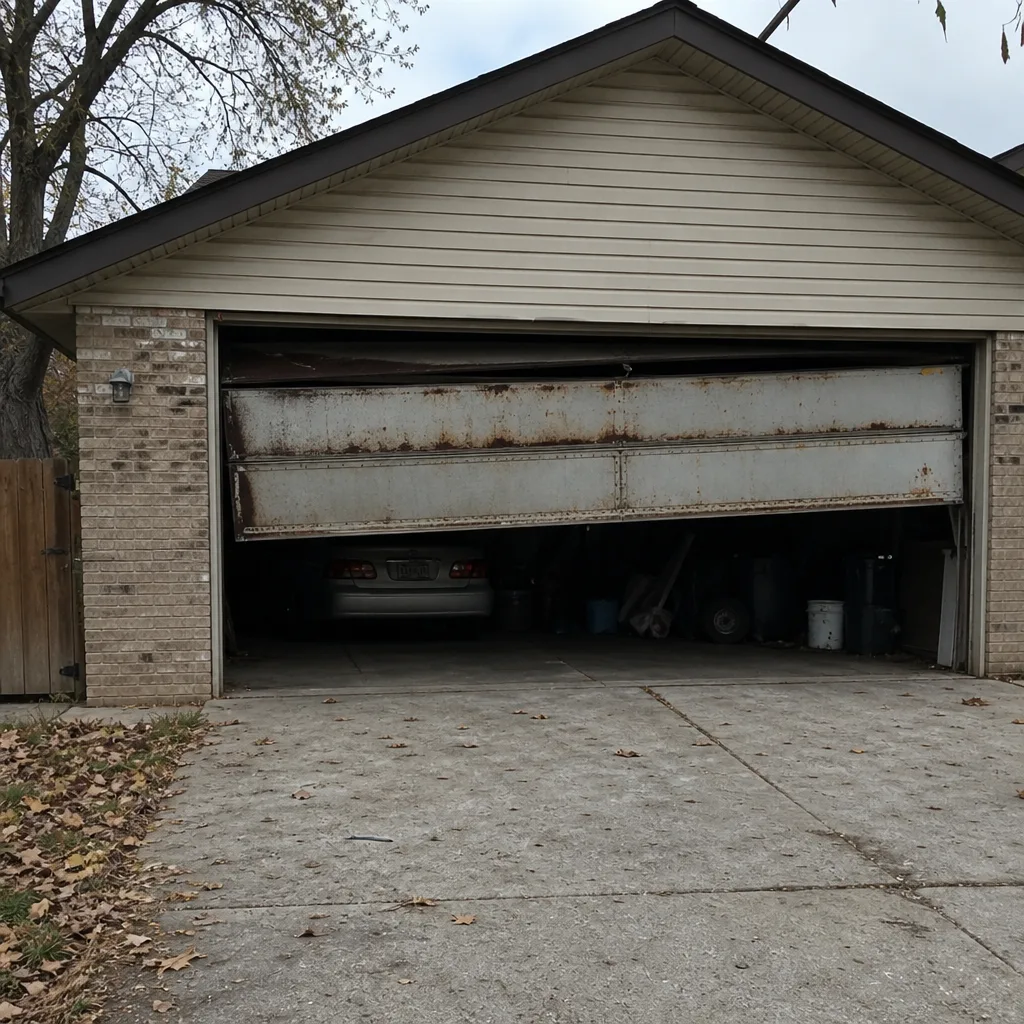 Before
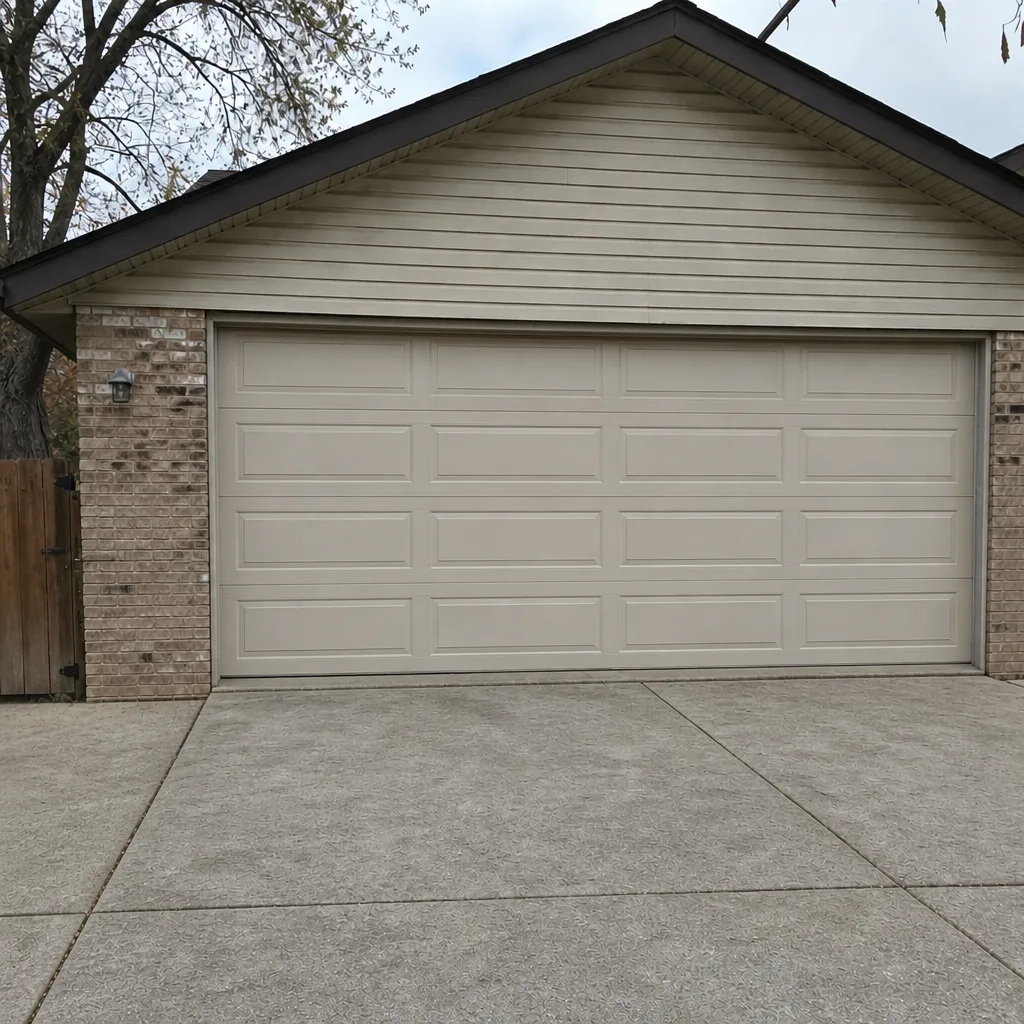 After
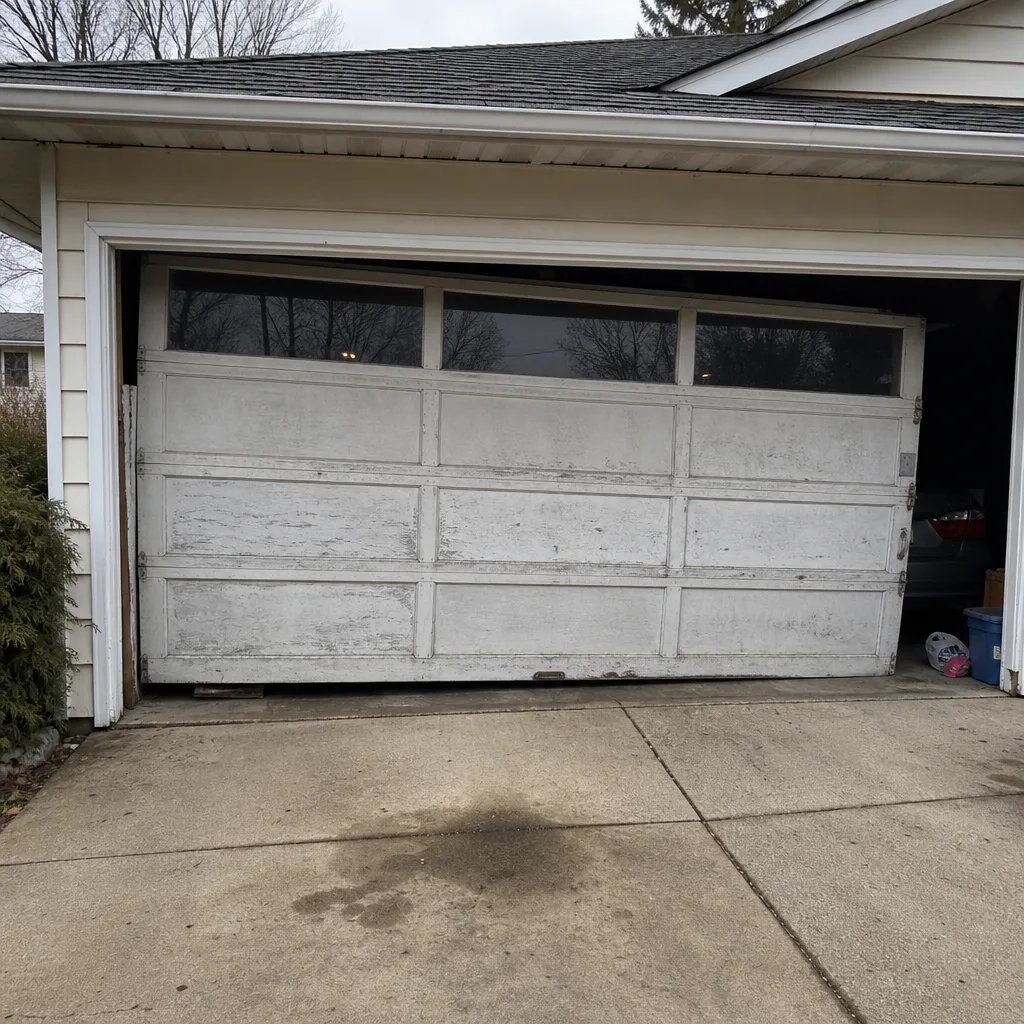 Before
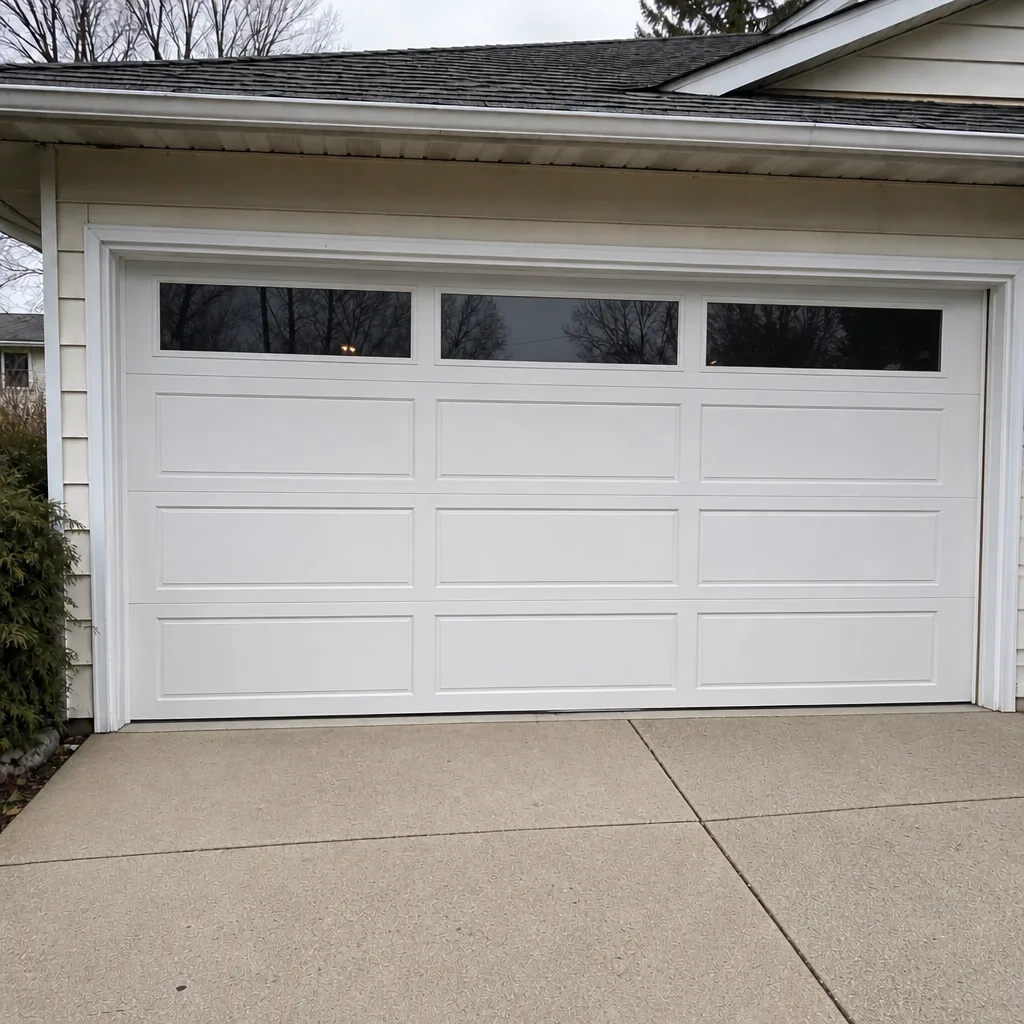 After
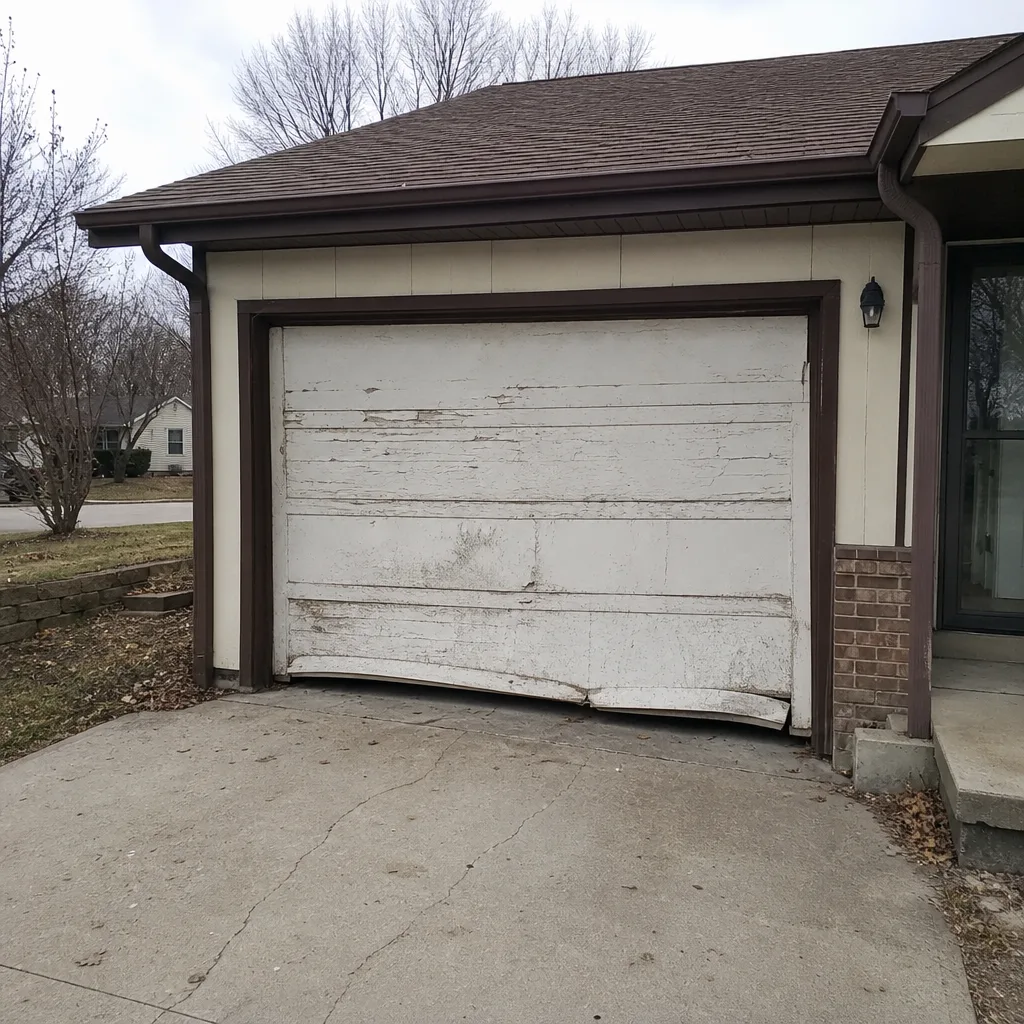 Before
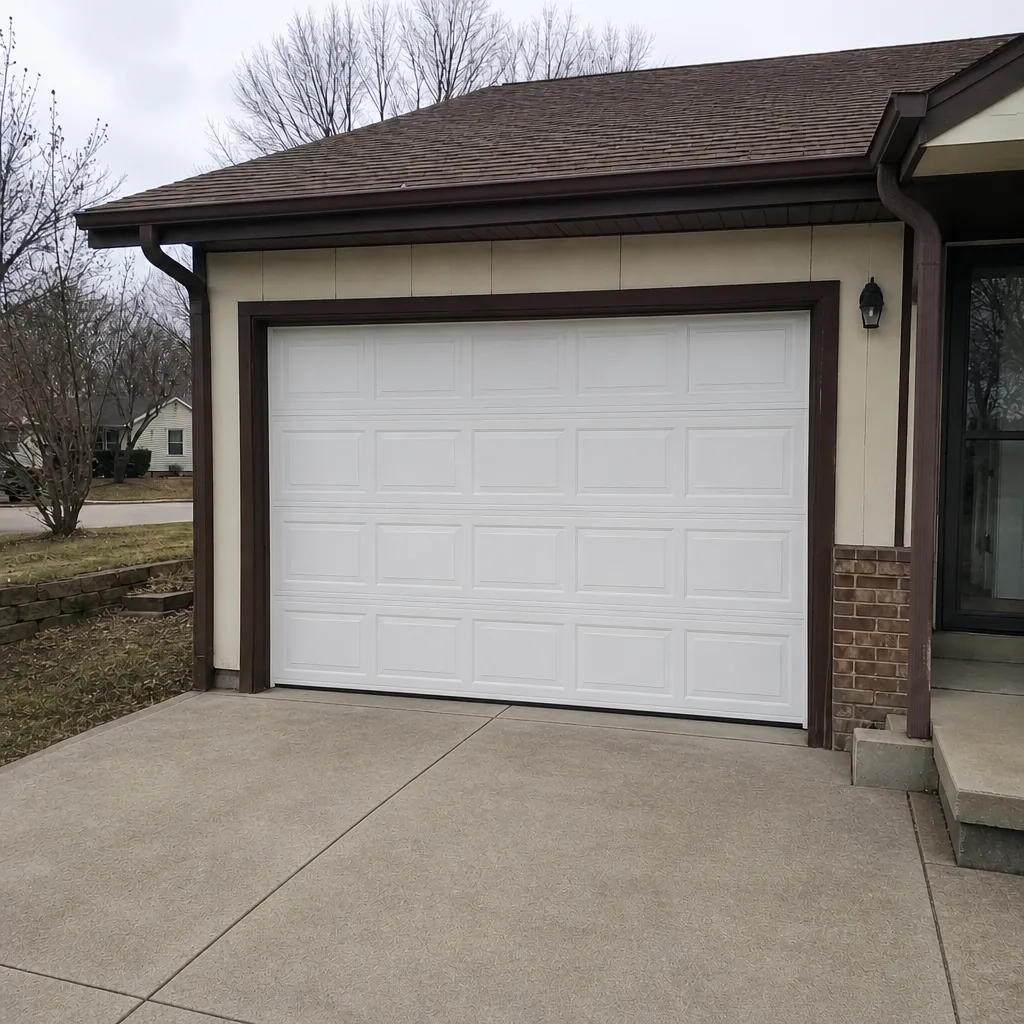 After
When You Want the Schedule Done Right
The best version of this schedule is the one you actually do. Three sessions a year, each under 20 minutes, with a short log and a pass/fail test at each one, keeps a garage door alive through Minnesota weather the way nothing else does. Skip the checks and you’ll meet a Bloomington repair call in January.
If you’d rather hand it to someone, Bloomington Garage Door Repair Co handles the full service chain: garage door repair, garage door opener repair, spring replacement, and new installation. Our technicians have up to 14 years of experience, and we service equipment from Genie, Clopay, Amarr, Chamberlain, Craftsman, LiftMaster, Wayne Dalton, and Raynor, so we’re diagnosing the actual make and model in your garage rather than a generic guess.
Call (833) 508-9255 for a free estimate. We answer 24/7. Fast dispatch from 7am to 7pm, Sunday through Friday, and we’re closed Saturday. When the door won’t move, we move fast, and the price is agreed before any work starts.
The Bottom Line
A garage door doesn’t need monthly attention. It needs the right attention at three points in the year: October before the freeze, April after the thaw, and midsummer before the heat sets in. Each session has a specific job, from lubrication and torque to a damage scan and both safety tests. Use the right lubricant for Minnesota cold (silicone or lithium, not WD-40), keep lubricant off the tracks, run the balance and reversal tests at every checkpoint, and log what you find. The log is what turns a future diagnostic from guesswork into a five-minute answer. Do the three sessions, and the door takes care of the rest.
Written by the team at Bloomington Garage Door Repair Co.