
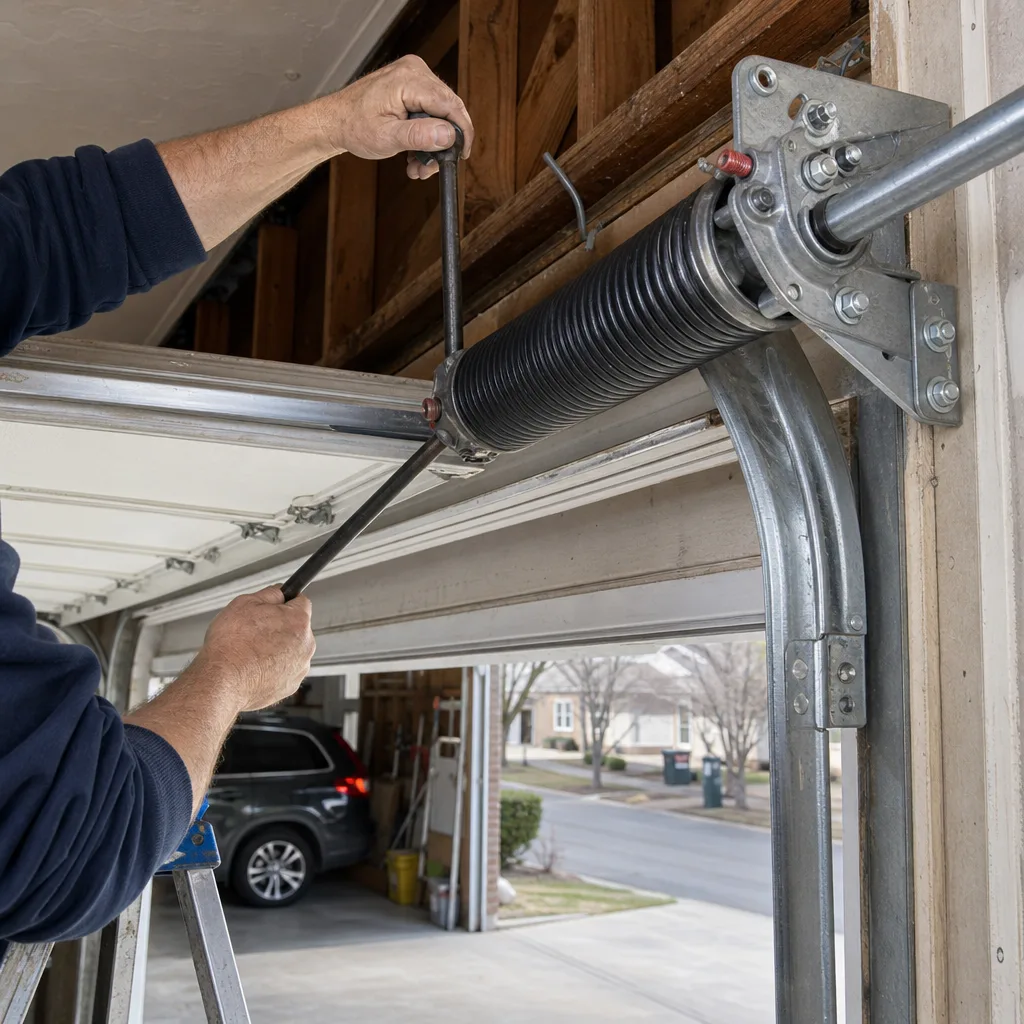
Last updated November 21, 2026
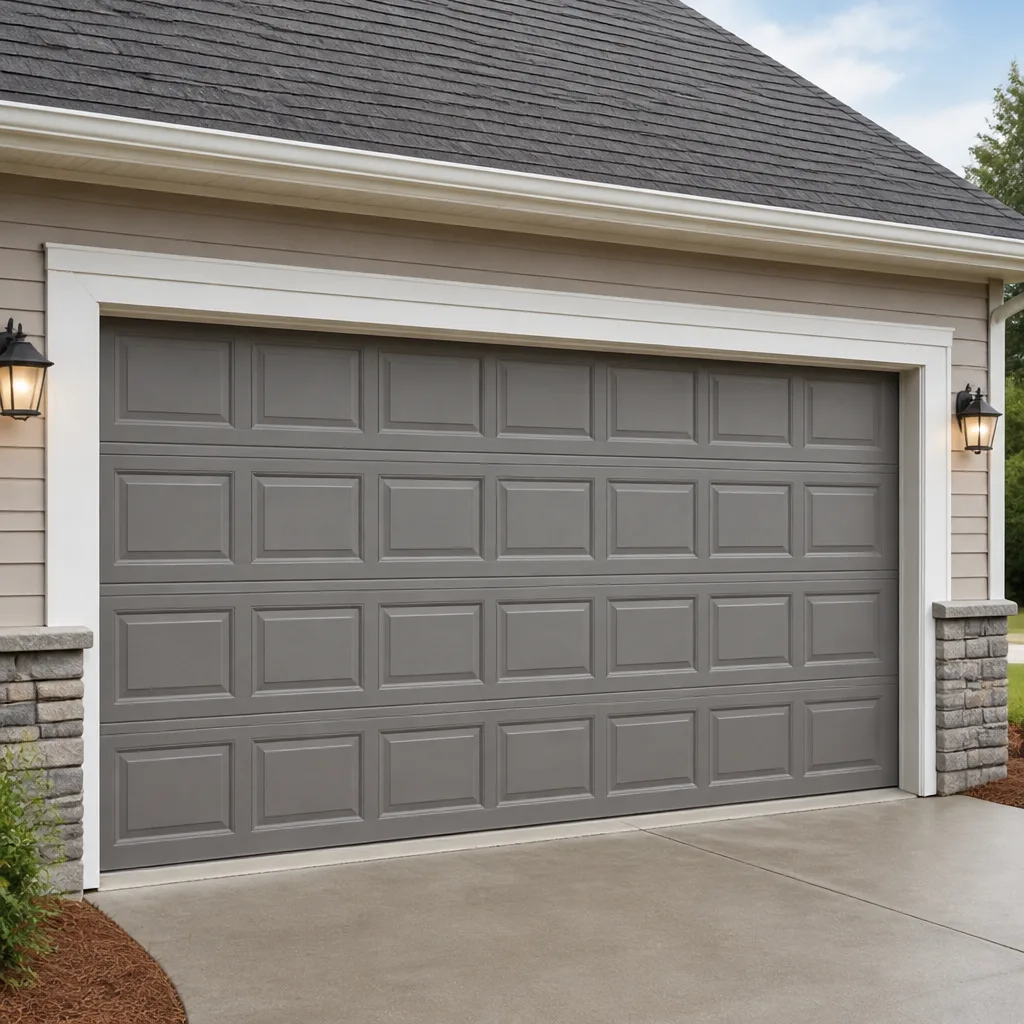 Raised-panel steel
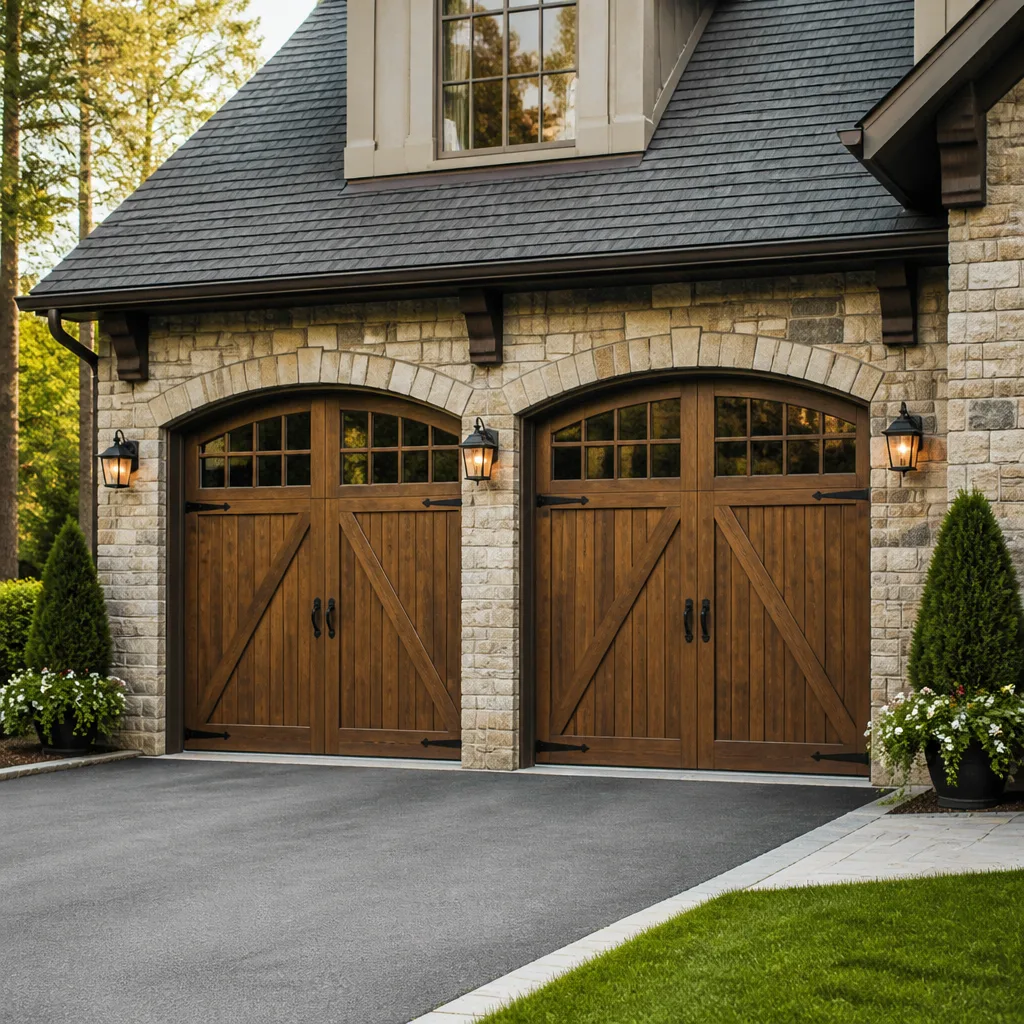 Carriage house
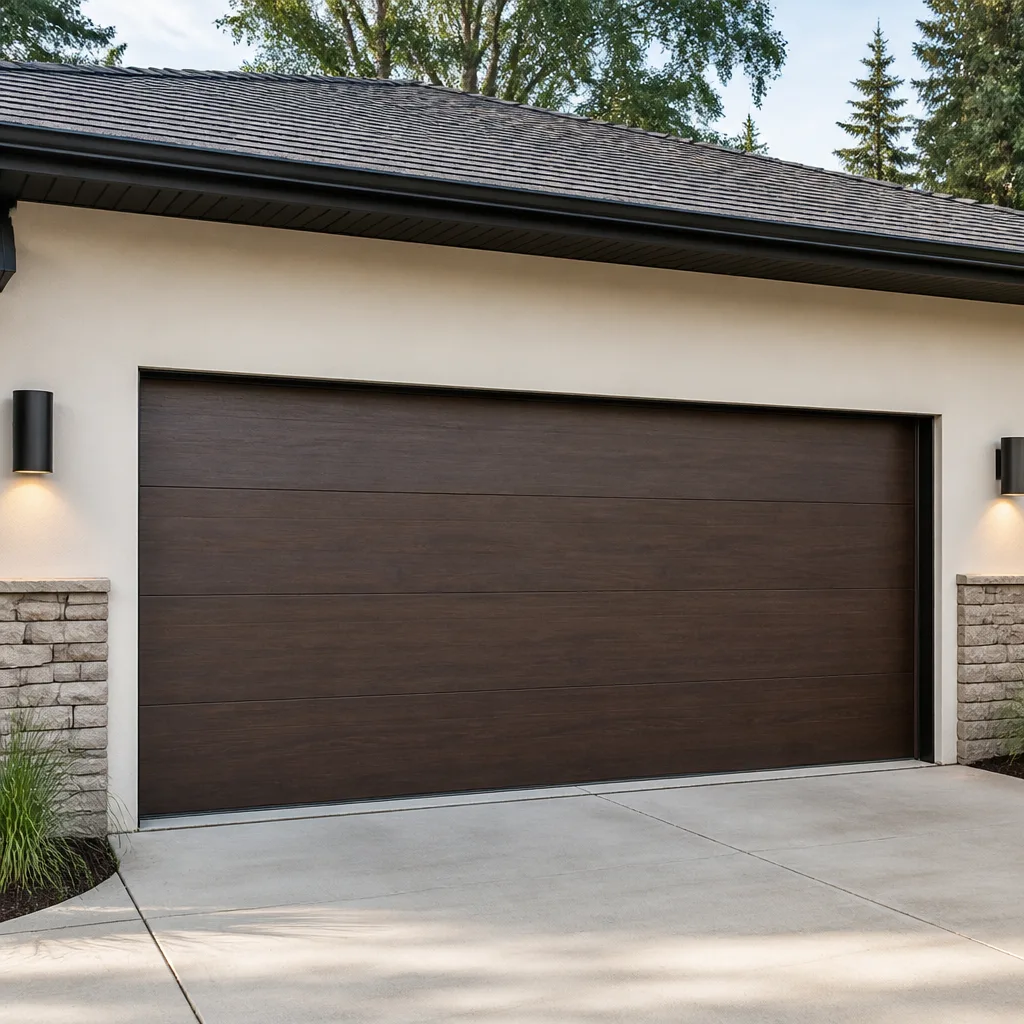 Modern flush
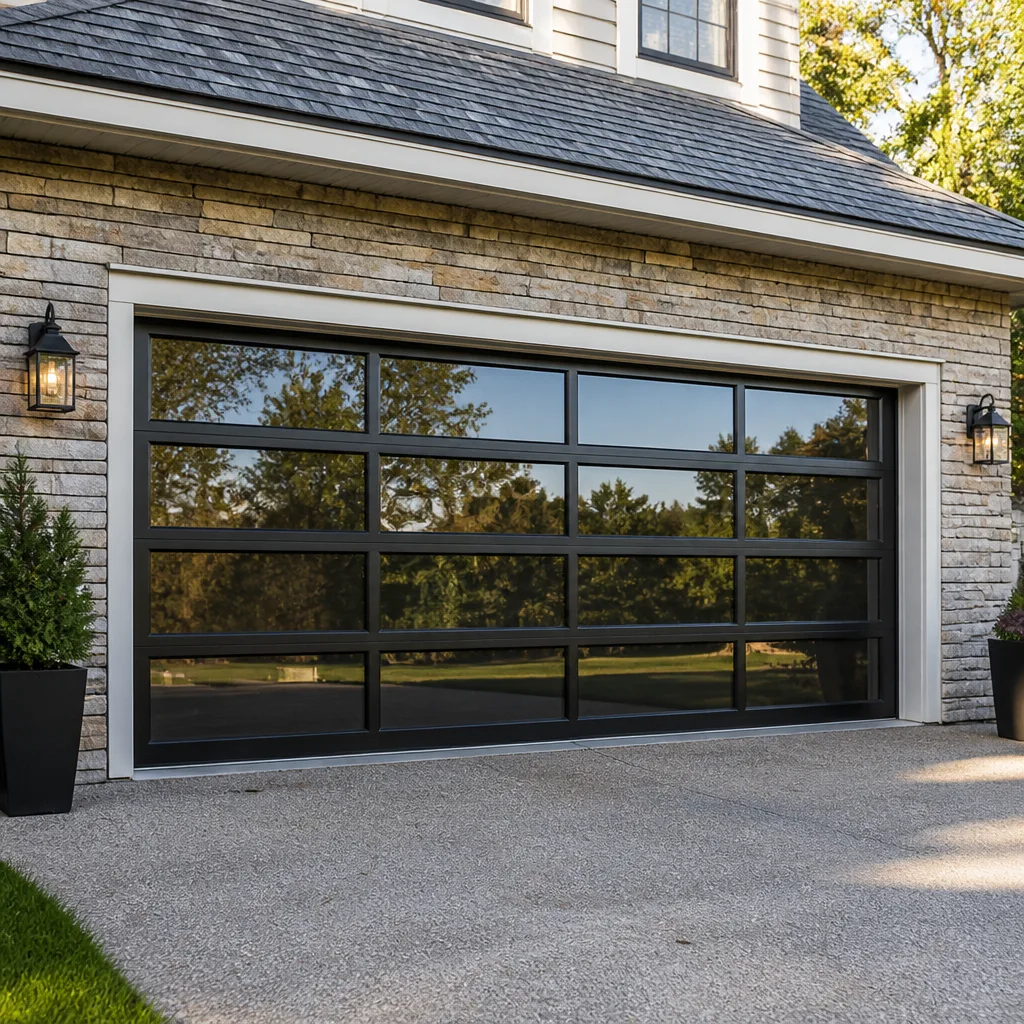 Full-view glass
 LiftMaster openers
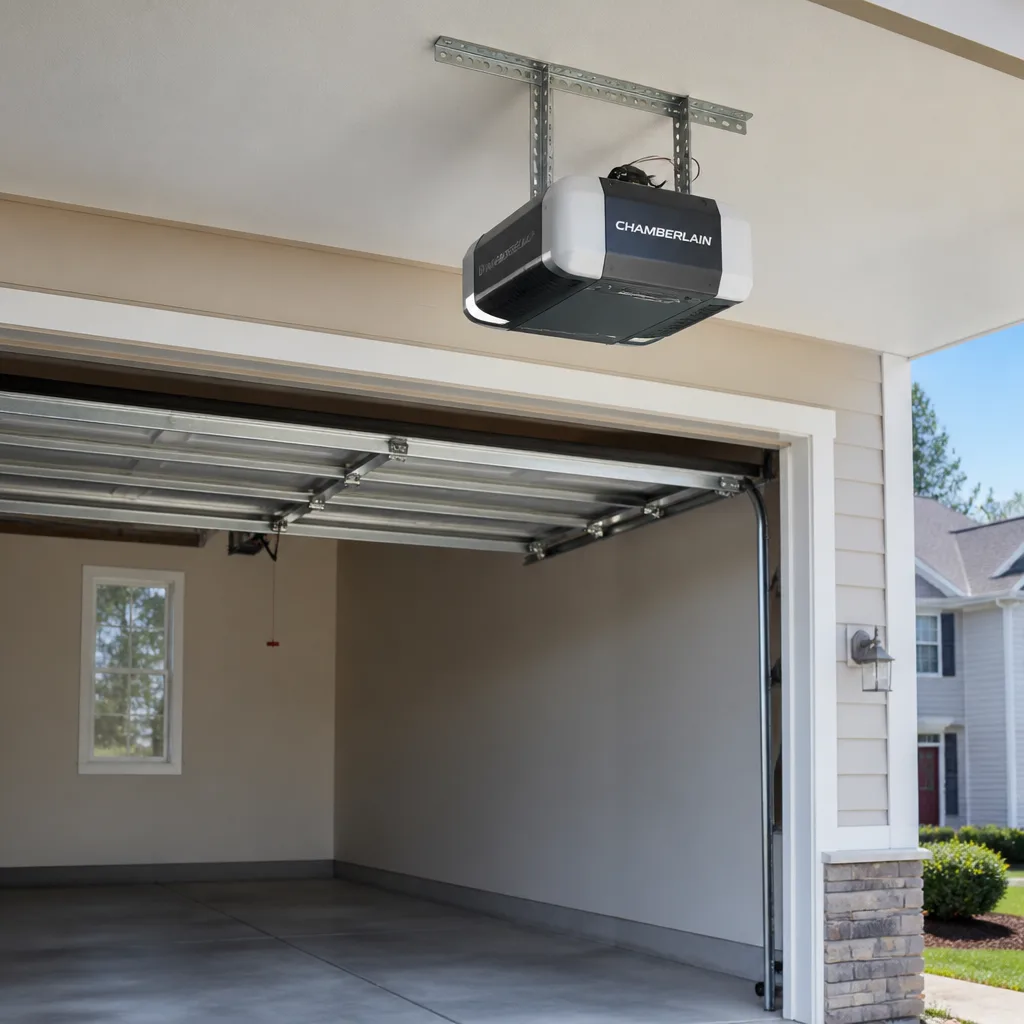 Chamberlain openers
Full 25-point door and opener safety check with every visit - springs, cables, rollers, tracks, and your LiftMaster or Chamberlain opener included
You get a price before we start. It does not change when the pro arrives.
Get your free estimateGarage Door Repair Troubleshooting in Bloomington: Common Problems and How to Fix Them
Your door isn’t “broken.” It’s telling you exactly what’s wrong. The grinding, the gap at the bottom, the half-open stall, the bang from the ceiling of the garage – each one points to a specific component, and misreading the symptom is how a small fix turns into a big one. Homeowners in Bloomington tend to lump every failure into the same bucket: “the door stopped working.” That’s like saying “the car stopped working” when the difference between a dead battery and a thrown rod matters enormously. This guide teaches you to read the symptom, name the part, and know the exact moment when a screwdriver is the right move and when it’s time to put your hands in your pockets and pick up the phone. You’ll learn the five mechanical categories behind almost every failure, a one-minute test that isolates opener problems from door problems, and the specific Bloomington conditions that make certain failures more common here.
Quick Answer
Most garage door failures fall into one of five categories: spring failure, cable failure, track and roller misalignment, opener trouble, or a sealing and balance issue caused by weather and wear. You can narrow down which one you’re facing by watching how the door moves, listening to where the noise comes from, and running a quick manual disconnect test. Springs and cables under tension are the two symptoms you never troubleshoot by hand – those require a trained technician. Everything else you can safely inspect, and often fix, yourself.
Styles & brands we work with
- Raised-panel steel
- Carriage house
- Modern flush
- Full-view glass
- LiftMaster openers
- Chamberlain openers
Table of Contents
- The Five Mechanical Categories Behind Almost Every Failure
- Symptom-to-Component Mapping: What Your Door Is Telling You
- The One-Minute Manual Disconnect Test
- Why Bloomington’s Freeze-Thaw Cycles Cause Misleading Symptoms
- Part Identification: Describe the Failure Accurately Before You Call
- Hard Stop Points: When to Stop Touching the Door
- Opener Problem or Door Problem? How the Brands Differ
- Common Mistakes to Avoid
The Five Mechanical Categories Behind Almost Every Failure
Every garage door system, whether it’s a LiftMaster opener on a steel Clopay door or a Genie unit on an older wooden model, relies on the same handful of moving parts working in balance. When something goes wrong, the failure almost always traces back to one of five categories. Knowing which one you’re in tells you how serious the problem is and whether it’s a DIY candidate.
1. Counterbalance failure. The springs – torsion or extension – carry the weight of the door. When one breaks, the door becomes dangerously heavy and either won’t lift or slams down. This is the most common serious failure and the most dangerous to touch.
2. Cable failure. The cables run from the bottom corners up to the spring system and keep the door level. A frayed or snapped cable causes the door to hang crooked or jam on one side.
3. Track and roller problems. Bent tracks, worn rollers, or rollers that have jumped the track cause grinding, binding, and doors that stop halfway.
4. Opener and control failures. The motor, logic board, safety sensors, or remote controls. These are electrical and electronic, not mechanical, and they behave very differently from a mechanical failure.
5. Sealing and balance issues. Worn bottom seals, misaligned weatherstripping, and doors that are out of balance from gradual wear. These are the slow-burn problems that don’t stop the door but let in drafts, water, and pests.
When you understand the category, you know whether you’re dealing with a door that needs a mechanical repair or an opener that needs an electrical diagnosis. That distinction alone saves time and money. For a full picture of what each repair involves, our garage door repair service page breaks it down by job type.
Symptom-to-Component Mapping: What Your Door Is Telling You
Here’s the troubleshooting framework we walk homeowners through before any technician heads out. Read the symptom, match it to the likely part, and you’ll know what you’re dealing with.
- Loud bang from above, door won’t lift, or lifts a few inches and stops: A broken torsion spring. You’ll usually see a visible gap in the coiled spring above the door or a door that feels extremely heavy when you try to lift it by hand.
- Door hangs crooked, one side higher than the other: A snapped or slipped cable on one side. Look at the bottom corners – a cable lying loose or wound unevenly around the drum is the giveaway.
- Grinding, scraping, or a door that jerks and binds as it moves: Track misalignment or worn rollers. Check whether the door is rubbing against the track rather than rolling freely.
- Door opens partway then reverses, or reverses immediately after touching the floor: Safety sensor or limit switch issue on the opener, not the door itself.
- Motor runs but the door doesn’t move: A stripped gear, a broken drive belt or chain, or the manual release has been left engaged.
- Door closes but leaves a gap at the bottom, drafts, or water gets in: A worn bottom seal or weatherstripping, often made worse by frost heave across Bloomington’s freeze-thaw season.
- Door is noisy but otherwise works: Dry or worn rollers, loose hardware, or a lack of lubrication on the moving parts.
Notice how different these feel from each other. A crooked door and a banging door are both “the door broke,” but one is a cable and one is a spring. If you can describe the symptom in these terms when you call, the technician arrives knowing what to bring and what to check first. That’s how a repair visit gets shorter for everyone.
The One-Minute Manual Disconnect Test
Before you assume the worst, run this test. It’s the fastest way to separate a door problem from an opener problem, and it takes about a minute. It’s safe for any homeowner to perform as long as the door is fully closed and you keep your hands away from the springs, cables, and hinges.
- Close the door completely and make sure nothing is in the path.
- Pull the manual release cord – the red handle hanging from the opener rail. This disconnects the opener from the door.
- Lift the door by hand about halfway and let go gently, keeping your hands on the bottom edge, not near the springs or cables.
- Observe what happens. A balanced door should stay roughly where you leave it. A door that falls fast, feels very heavy, or raises harder than you’d expect has a counterbalance problem. A door that moves smoothly and stays put has a healthy door – which means the problem is in the opener.
- Reconnect the opener by running it until it re-engages, or re-engage the trolley by hand per your opener’s instructions.
If the door moves freely but the opener won’t move it, you’re dealing with an opener fault, and our garage door opener repair page covers the usual culprits: sensors, logic boards, gears, and remotes. If the door is heavy or falls, stop testing and stop lifting. That’s a counterbalance issue, and it’s not a DIY job.
Why Bloomington’s Freeze-Thaw Cycles Cause Misleading Symptoms
Bloomington sits in a climate that swings hard between freezing and thawing through the winter and into early spring. That cycle does specific things to garage doors, and a lot of it looks like a spring problem when it isn’t.
Frost heave moves the slab. When the ground under the garage slab freezes and thaws, the concrete can shift slightly. That shift throws off the relationship between the door bottom and the floor, so the door closes and then reopens because the safety sensors or the travel limit now think there’s an obstruction. Homeowners often call about a “broken opener” when the real issue is a floor edge that moved a quarter inch.
Bottom seals stiffen and crack. The rubber or vinyl bottom seal gets brittle in cold weather. It tears, leaves gaps, and lets meltwater creep under the door. When that water refreezes, it can bind the bottom edge, and the opener strains to close the door against it.
Tracks drift out of alignment. Wood framing and anchor points expand and contract with the temperature swings. Track brackets loosen a little each season, and the track slowly tilts out of plumb. The door then binds against the track and grinds, which feels like a mechanical failure but starts as a simple bracket adjustment.
Springs get worked harder. A counterbalance system that has been holding up to Minnesota cold and heat for years doesn’t fail politely. It lets go suddenly, often on the first cold morning after a warm spell. If you want the deeper detail on the spring side of this, our garage door spring repair page explains the two spring types and how each fails.
The lesson for Bloomington homeowners: not every winter symptom is a spring failure. Some are seals, some are tracks, some are the slab, and some are sensor alignment. Reading the symptom correctly is what keeps a small weather-related adjustment from being misdiagnosed as a major repair.
Part Identification: Describe the Failure Accurately Before You Call
One of the most useful things a homeowner can do is learn the names of the parts. When you can say “the bottom bracket on the left side is loose” instead of “the door is broken,” the technician arrives with the right hardware and can estimate the job more accurately. Here’s the vocabulary, in plain terms.
- Torsion spring: The coiled spring mounted on a metal shaft above the door. It does most of the lifting work in modern doors.
- Extension spring: Older style, mounted along the horizontal tracks on each side, stretches rather than twists.
- Center bearing plate: The metal bracket in the middle of the shaft that holds the torsion spring assembly steady.
- Cable and drum: The steel cable runs from the bottom corner up to a drum at the end of the spring shaft. Cables must wind evenly on the drum.
- Bottom bracket: The metal plate at each bottom corner where the cable attaches. These are under tension.
- Rollers and hinges: The wheels in the track and the joints between panels. These wear and get noisy but rarely fail catastrophically.
- Track: The vertical and horizontal rails the door travels on. Curved sections at the top are the most common bend point.
- Safety sensors: The two small eyes near the floor on each side of the door. If they’re misaligned or dirty, the door won’t close.
- Limit switch or travel module: On the opener, controls how far the door travels up and down.
You don’t need to memorize every part. You need to know the difference between a spring, a cable, a track, a roller, and a sensor. That’s five words, and each one points to a different repair with a different risk level and a different price. If you call Bloomington Garage Door Repair Co with the part name, we can often tell you on the phone whether it’s an emergency or a scheduled visit.
Hard Stop Points: When to Stop Touching the Door
There are two components on a garage door that kill or seriously injure people every year: torsion springs and the cables under tension. Once either fails, the energy stored in the system isn’t gone – it’s just waiting for someone to release it. Here’s the line you don’t cross.
Stop and call a professional immediately if:
- You hear a bang from above the door and the door no longer opens, or opens a few inches and stops.
- You see a visible gap in the coiled torsion spring above the door.
- A cable is frayed, dangling, or wrapped unevenly on a drum.
- The bottom bracket at a corner is loose or separated.
- The door is hanging crooked or one side is clearly heavier than the other.
- The door falls faster than it should when you lift it manually.
- You see any part of the spring assembly that looks kinked, rusted through, or twisted.
These are not “hold it with a vice grip and see what happens” situations. Torsion springs store enough energy to break bones, and cables under tension snap back unpredictably. There’s no cost saving that’s worth it, and the correct fix for a broken spring or cable is a trained technician with the right winding bars and the right spring. Everything else on the door – rollers, weatherstripping, sensor alignment, lubrication, track cleaning – is fair game for a careful homeowner.
If you’re ever unsure whether a symptom is on this list, don’t guess. Call and describe it. It costs nothing to ask.
Opener Problem or Door Problem? How the Brands Differ
The disconnect test tells you whether the trouble is in the door or the opener. If it’s the opener, the brand and model matter. Different opener brands handle their electronics differently, and diagnosing one is not the same as diagnosing another.
We work on the brands already installed in Bloomington garages, including LiftMaster and Chamberlain units (the two share a good deal of internal design), Genie openers with their own logic board layout, and older Craftsman units that are still very common on doors installed in the area. That matters because a LiftMaster travel limit issue and a Genie sensor issue don’t present the same way. A tech who knows the model saves diagnostic time.
When the door itself carries a brand like Clopay, that also tells us something about the panel construction, the roller style, and the way the bottom seal is fitted. If you can read the brand off the opener housing or the door’s edge label before you call, mention it. It’s one less thing to figure out on the visit.
Common opener-only failures look like this:
- The wall button works but the remote doesn’t, or vice versa. Usually a battery, a lost pairing, or a logic fault in the receiver.
- The door reverses before touching the floor. Sensor alignment or a travel limit adjustment.
- The light flashes but the motor doesn’t run. Sensor block, or a safety circuit fault.
- The opener makes a humming sound but the chain or belt doesn’t move. Stripped gear or a worn drive component.
- The unit loses its memory or the remotes stop pairing. Logic board or battery backup fault, depending on the model.
If your symptom is on that list, you’re in opener territory. If your symptom is a bang, a crooked door, a grinding noise, or a door that won’t stay up, you’re in the door and counterbalance category. That’s the fork in the road, and it’s the one that matters most.
Common Mistakes to Avoid
- Trying to adjust a torsion spring yourself. It’s the most dangerous repair on the entire door. The stored energy is enormous and there’s no safe way to release it with household tools.
- Ignoring a door that hangs crooked. A crooked door means a cable or spring problem, and continuing to operate it wears the opener and damages the track in the process.
- Blaming the opener for a door that was never the problem. If the door is heavy or binds, replacing the opener just puts a new motor in front of the same mechanical problem.
- Skipping lubrication through the winter. Bloomington’s cold, dry stretches and the grit of road salt tracked into garages both wear rollers faster. Lubrication at the start of the season is cheap insurance.
- Spraying the tracks with grease. Tracks should stay clean and dry; grease collects grit and makes rollers bind. Save the lubricant for the rollers, hinges, and spring if it’s the right product for the type.
- Forgetting the bottom seal. A cracked or torn bottom seal lets meltwater and cold air in and stresses the opener. It’s an inexpensive part that prevents bigger problems.
- Assuming every symptom is a spring. A grinding door, a door that won’t close, and a door that hangs crooked are all different problems. Misreading the symptom is the most expensive mistake of all.
One more: don’t force a door that’s jammed. If it won’t move and you keep hitting the button, you’re loading the opener and the arms with force they weren’t designed to take. Stop, run the disconnect test, and call if you’re unsure.
See the difference
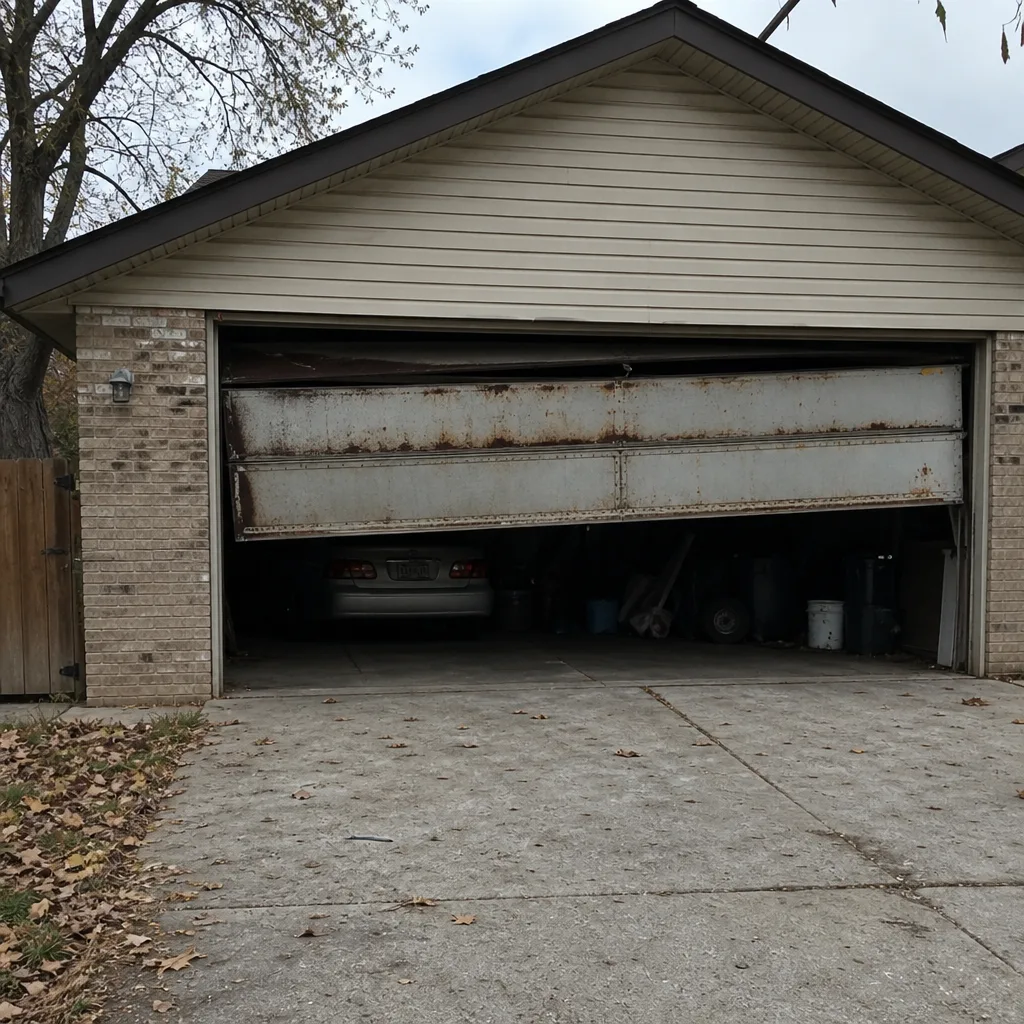 Before
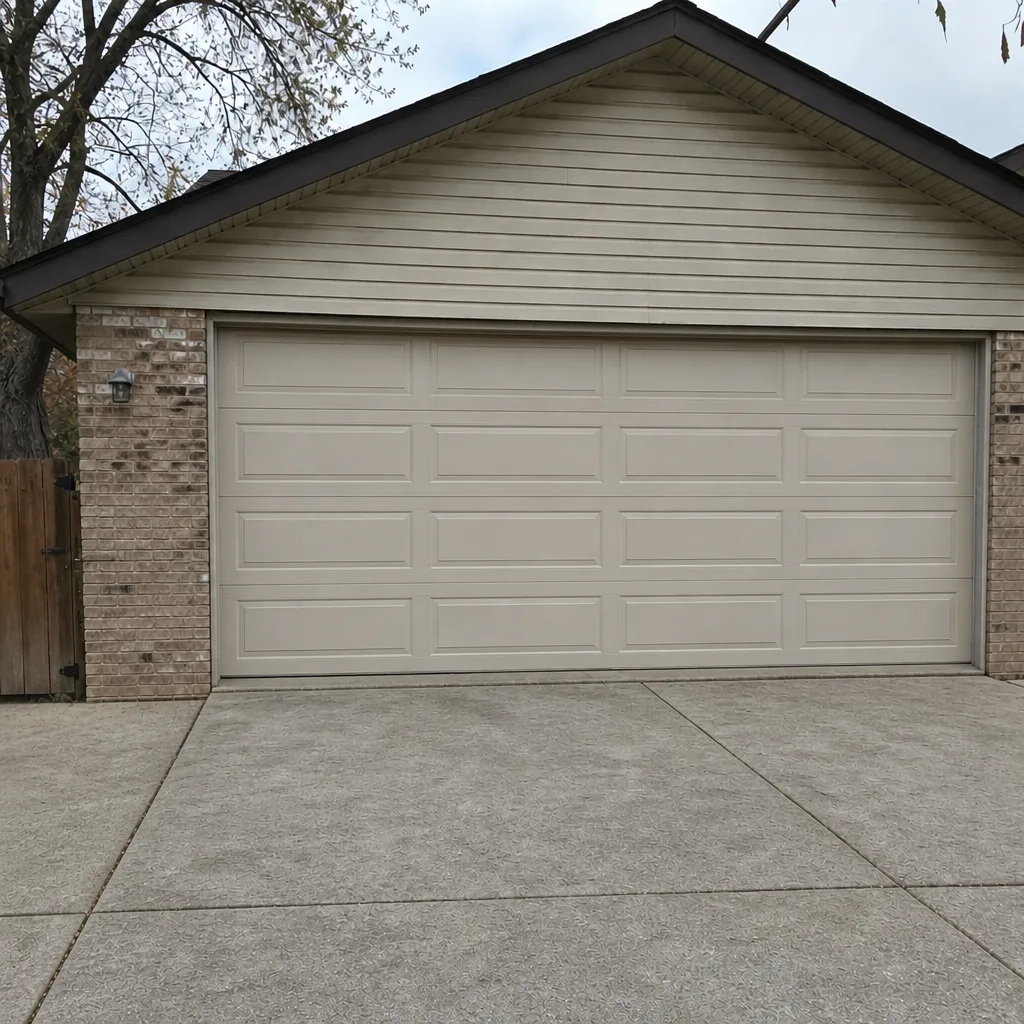 After
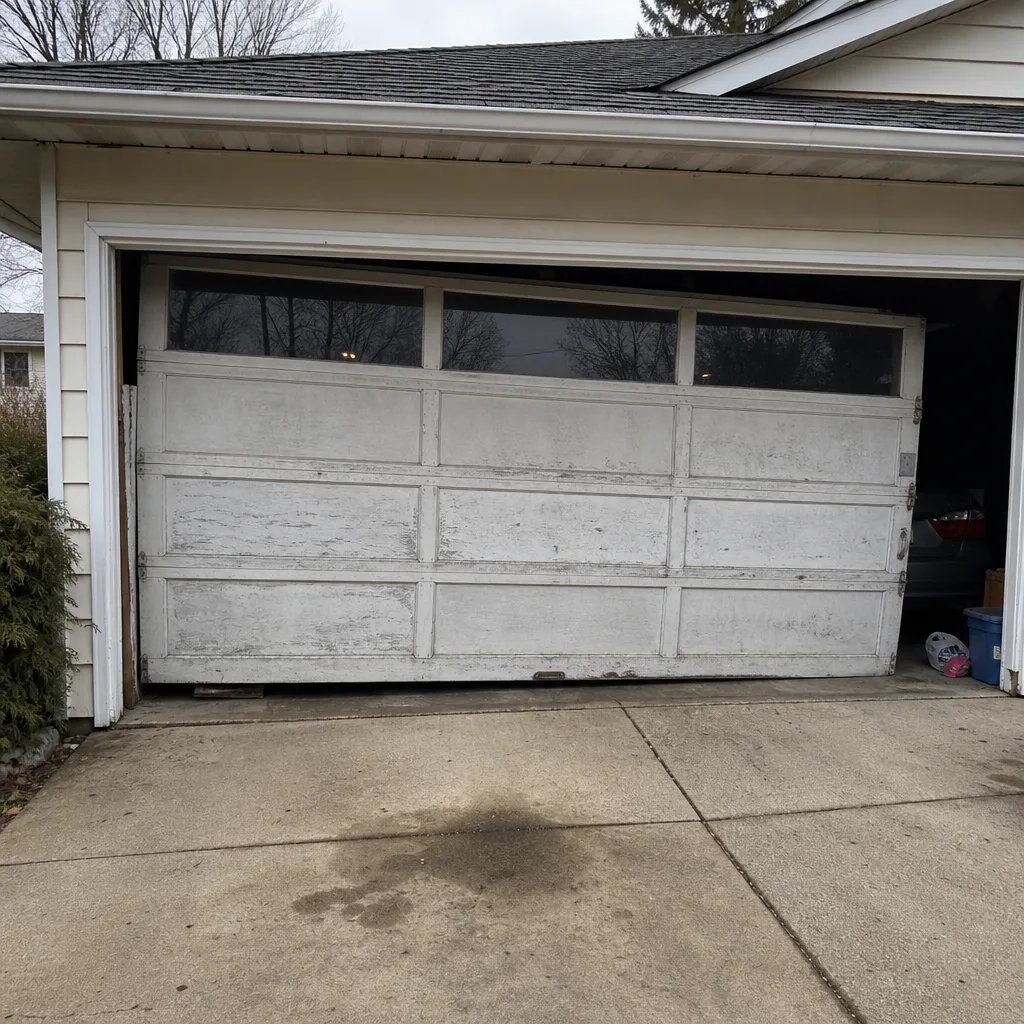 Before
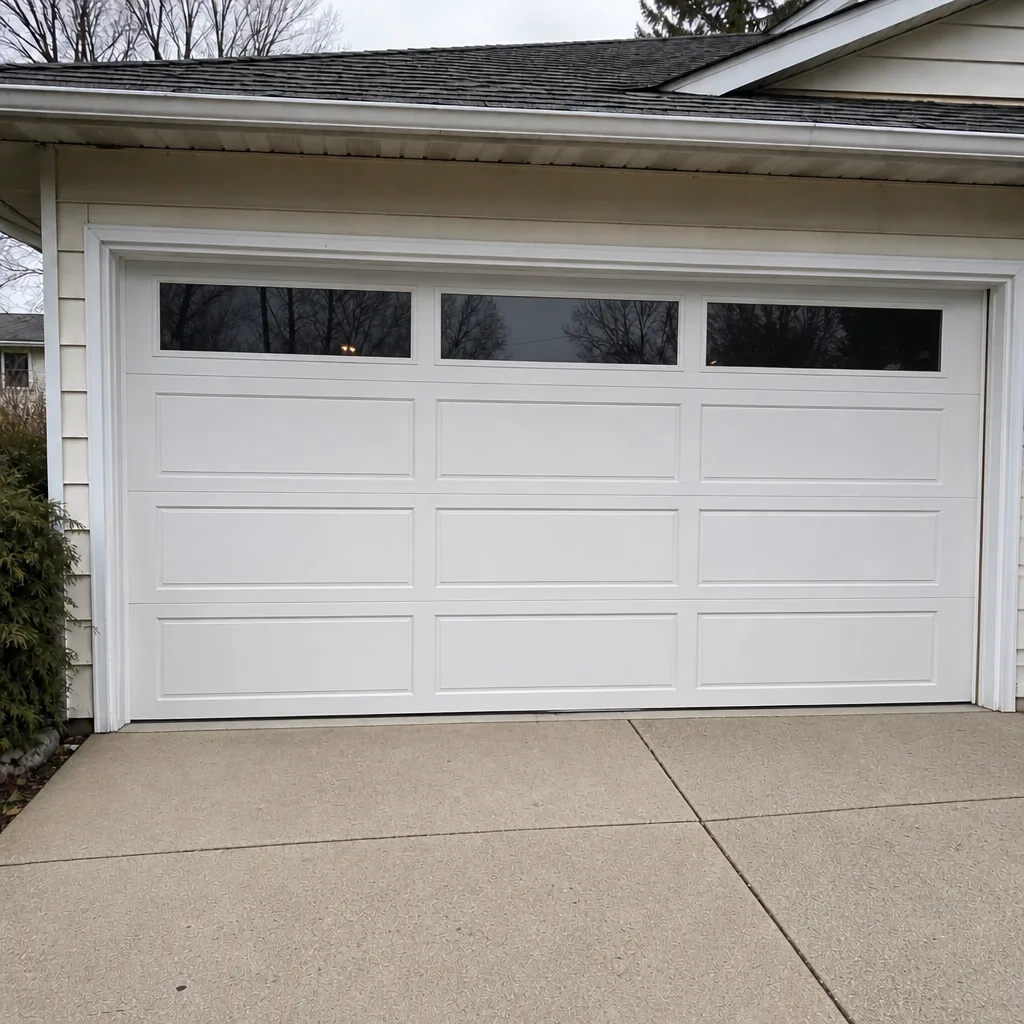 After
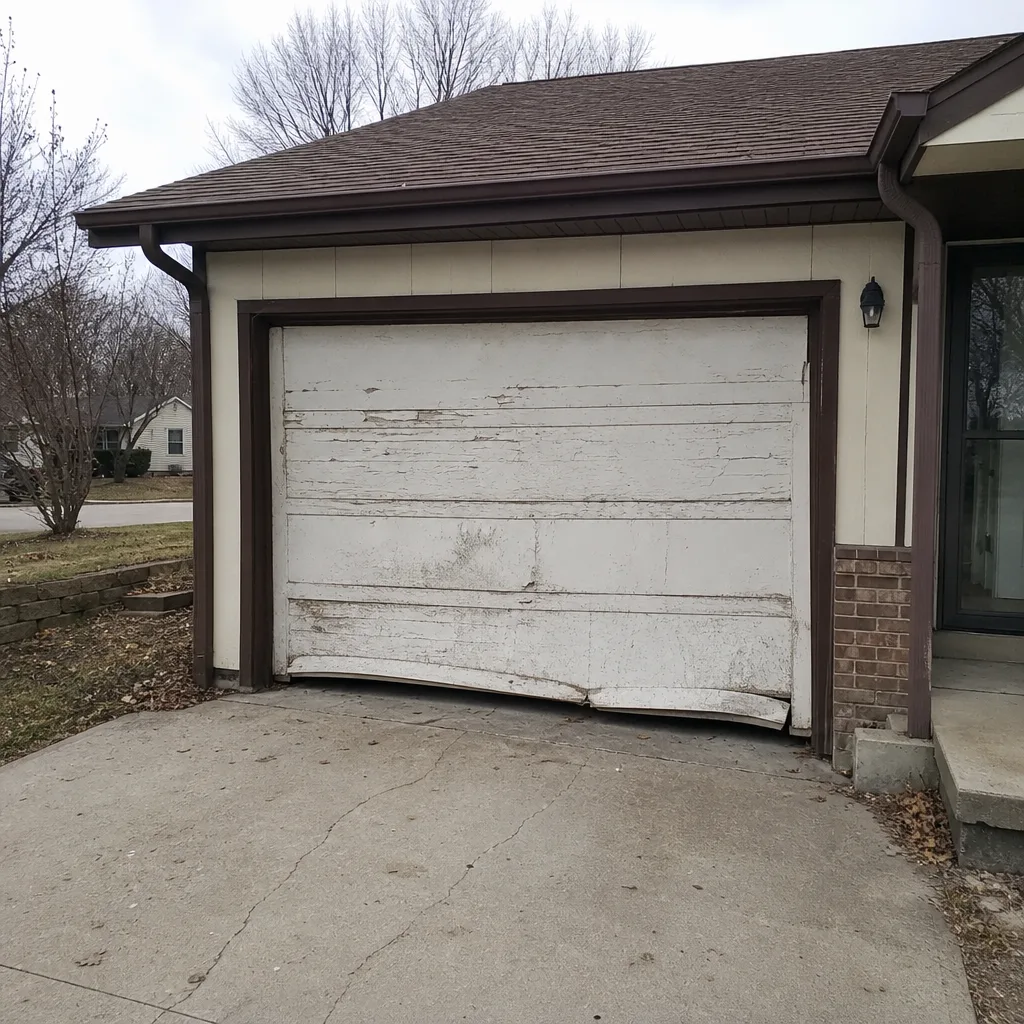 Before
 After
When to Call a Professional
Call a professional if the symptom is a broken spring, a snapped or frayed cable, a loose bottom bracket, a door that hangs crooked or falls fast, or a door that won’t move at all. These are the failures that carry real injury risk and get worse if the door is operated. Call us also if the opener keeps reversing, if the remote won’t pair after a battery change, or if a panel or track is visibly bent. If you’re not sure which category you’re in, call anyway – describing the symptom takes two minutes, and it tells us exactly what kind of visit is needed. Bloomington Garage Door Repair Co offers free estimates in Bloomington – call (833) 508-9255. We answer 24/7, and we have fast dispatch, 7am-7pm, Sunday through Friday, for urgent failures that trap a car or leave the home unsecured.
We don’t claim to be the only garage door specialist in the Twin Cities, but we do keep our work focused on this one system. Our technicians have up to 14 years of experience, and the estimate is always free, with the price quoted and agreed before any work starts.
Frequently Asked Questions
Spring repair in Bloomington typically runs in the range of $150 to $350 for a single spring, and a matched pair is usually replaced together at about twice that, so a pair generally falls around $300 to $700. Spring repairs are per-spring because one broken spring usually means the other is near the end of its life too. The written estimate sets the final price, and we quote it before any work starts. Call (833) 508-9255 for an exact quote.
A spring failure usually announces itself with a bang from above the door, followed by a door that won’t lift or feels extremely heavy. A cable failure typically shows up as a door that hangs crooked, with one side higher than the other. Look at the coiled spring above the door for a visible gap, and at the bottom corners for a loose or tangled cable. If either is present, stop and call a professional. Call (833) 508-9255 to describe the symptom.
Often, yes. We answer 24/7 and offer fast dispatch, 7am-7pm, Sunday through Friday. Emergency service is available when a broken door traps a car inside or leaves a home unsecured. Call (833) 508-9255 and tell us the symptom; if it’s a spring or cable failure, we’ll let you know what to do while you wait. A call outside dispatch hours is booked into the next opening, Sunday through Friday, 7am to 7pm.
No. The price is quoted and agreed in writing before any work starts, and it doesn’t change on the visit unless you ask for additional work or we find something you specifically approve. If the diagnosis changes what’s needed, we explain it and give you a new estimate before anything is done. Call (833) 508-9255 for a free estimate.
The local professionals we connect you with are licensed and insured as their state requires. Our teams work on garage doors only, across the major brands, so your diagnosis isn’t a guess. If you’ve read the brand off the opener or the door, tell us – it helps us bring the right parts. Call (833) 508-9255 for a free estimate.
Cold weather affects the whole system. Torsion springs get stiffer, bottom seals get brittle, the concrete slab can shift with frost heave, and track brackets loosen as the framing expands and contracts. That’s why a door that works all summer can start reversing or binding on the first cold morning. Sometimes the fix is an adjustment, sometimes it’s a seal or track service. Call (833) 508-9255 and describe exactly when the problem happens.
The Bottom Line
Garage door troubleshooting starts with reading the symptom correctly. Bang from above means spring. Crooked door means cable. Grinding means track or rollers. Reversing or humming means opener. Gap at the bottom means seal. Once you’ve named the category, you know whether it’s safe to inspect yourself or whether to stop and call. Springs and cables are the hard stop – never touch those. Everything else is worth a look, and a clear symptom description saves time for both you and the technician. When you need a hand, Bloomington Garage Door Repair Co is one call for repair, opener service, spring replacement, and installation across LiftMaster, Chamberlain, Genie, Clopay, Amarr, Wayne Dalton, Craftsman, and Raynor equipment. Start with Bloomington Garage Door Repair Co.
Call (833) 508-9255 for a free estimate. We answer 24/7, with fast dispatch from 7am to 7pm, Sunday through Friday, and the price is always quoted and agreed before any work starts.
Written by the team at Bloomington Garage Door Repair Co.