
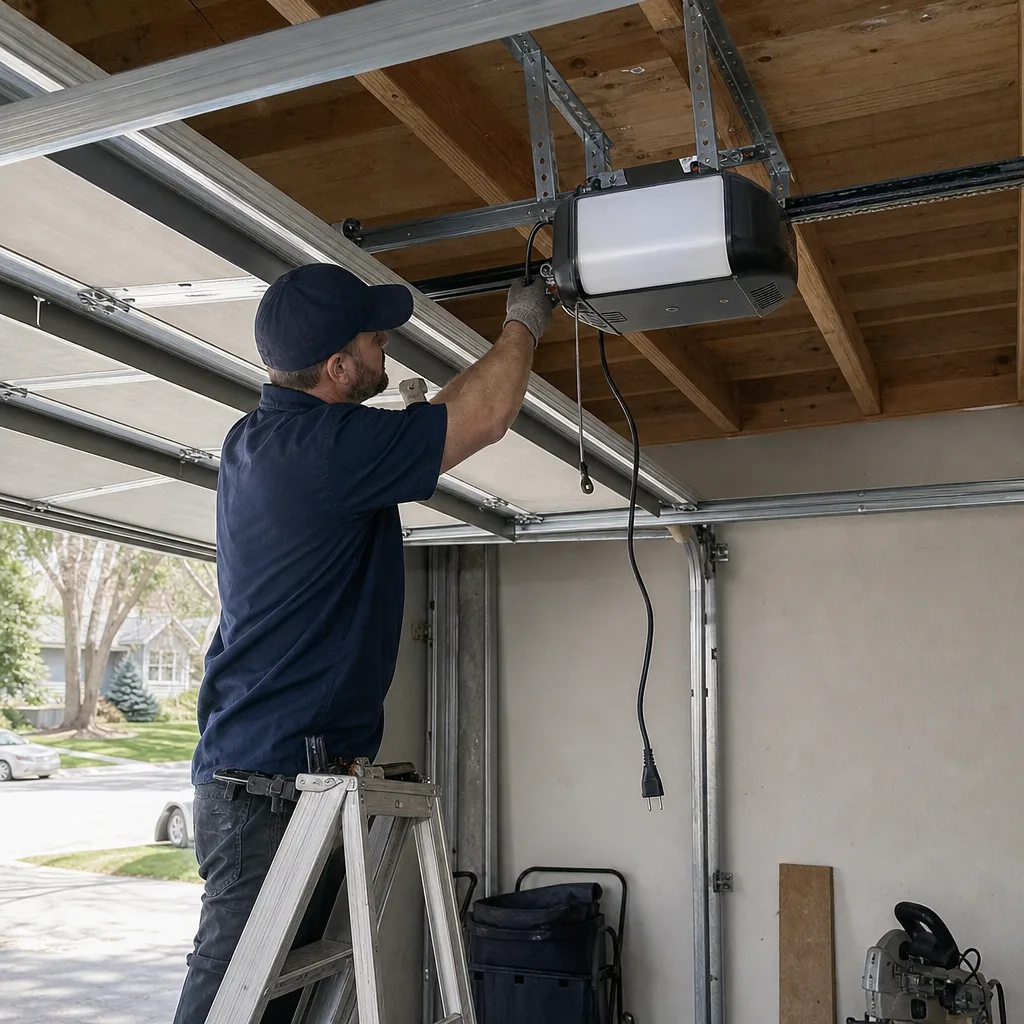
Last updated November 21, 2026
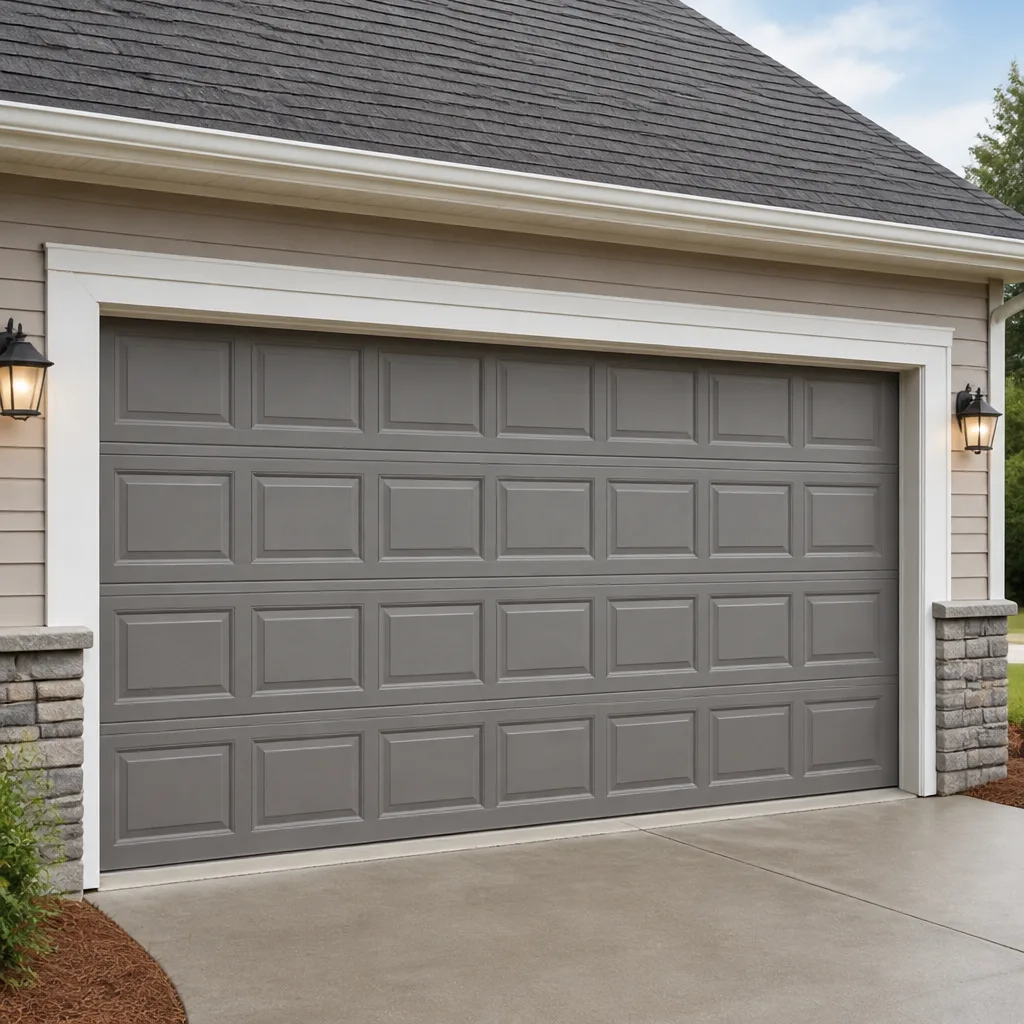 Raised-panel steel
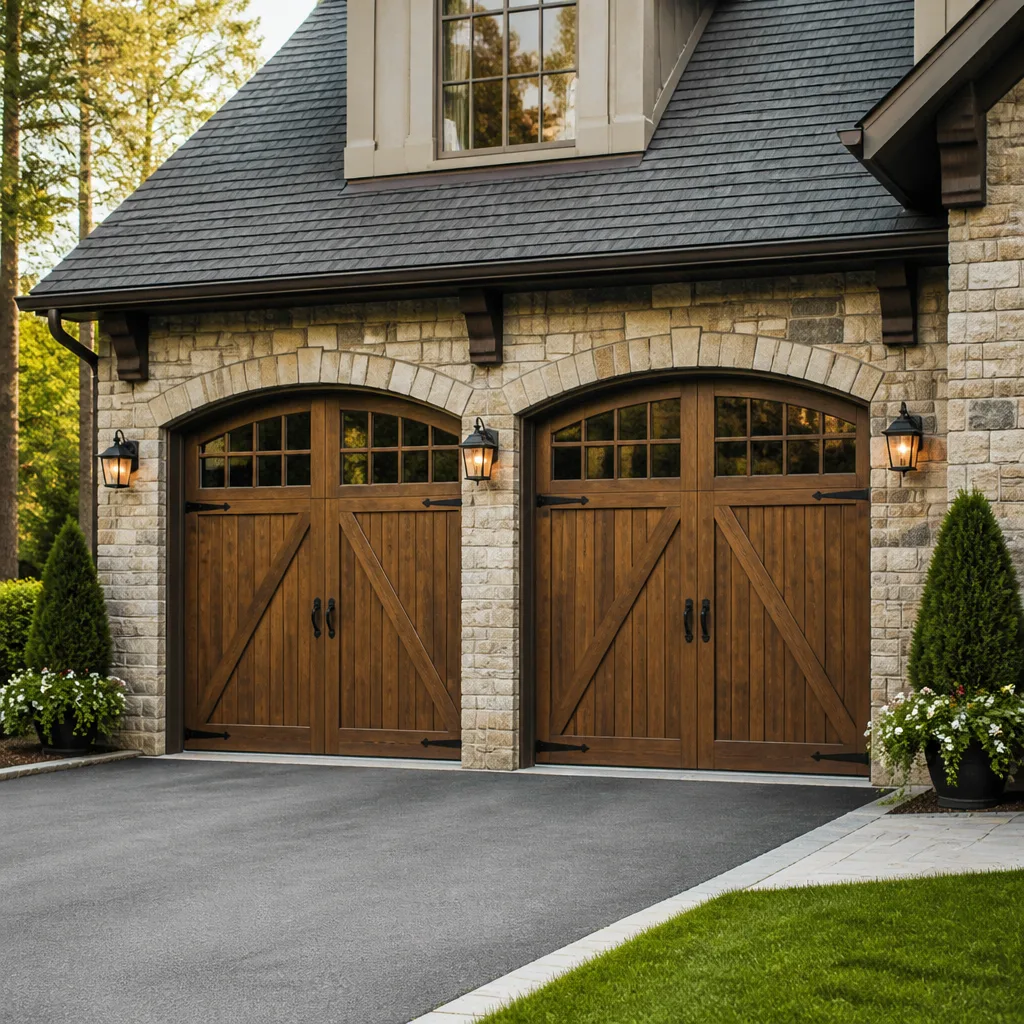 Carriage house
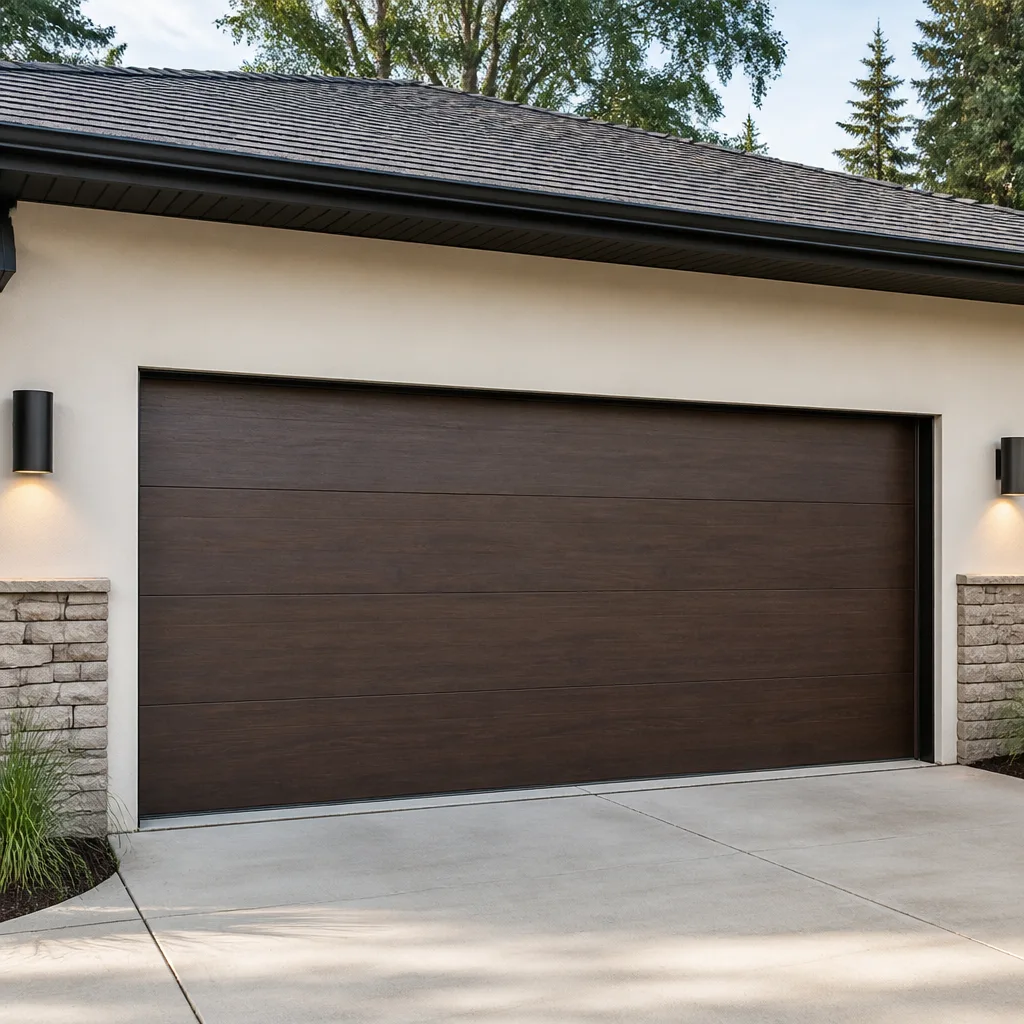 Modern flush
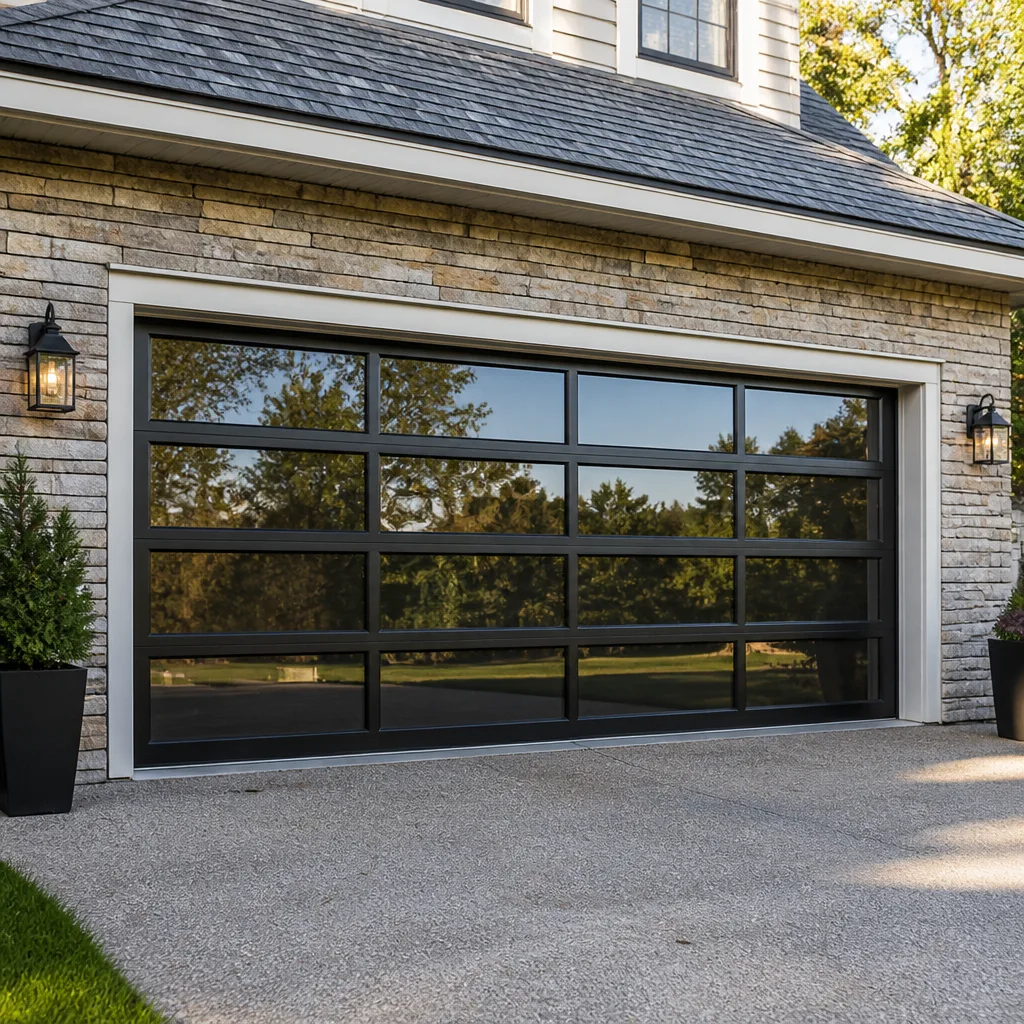 Full-view glass
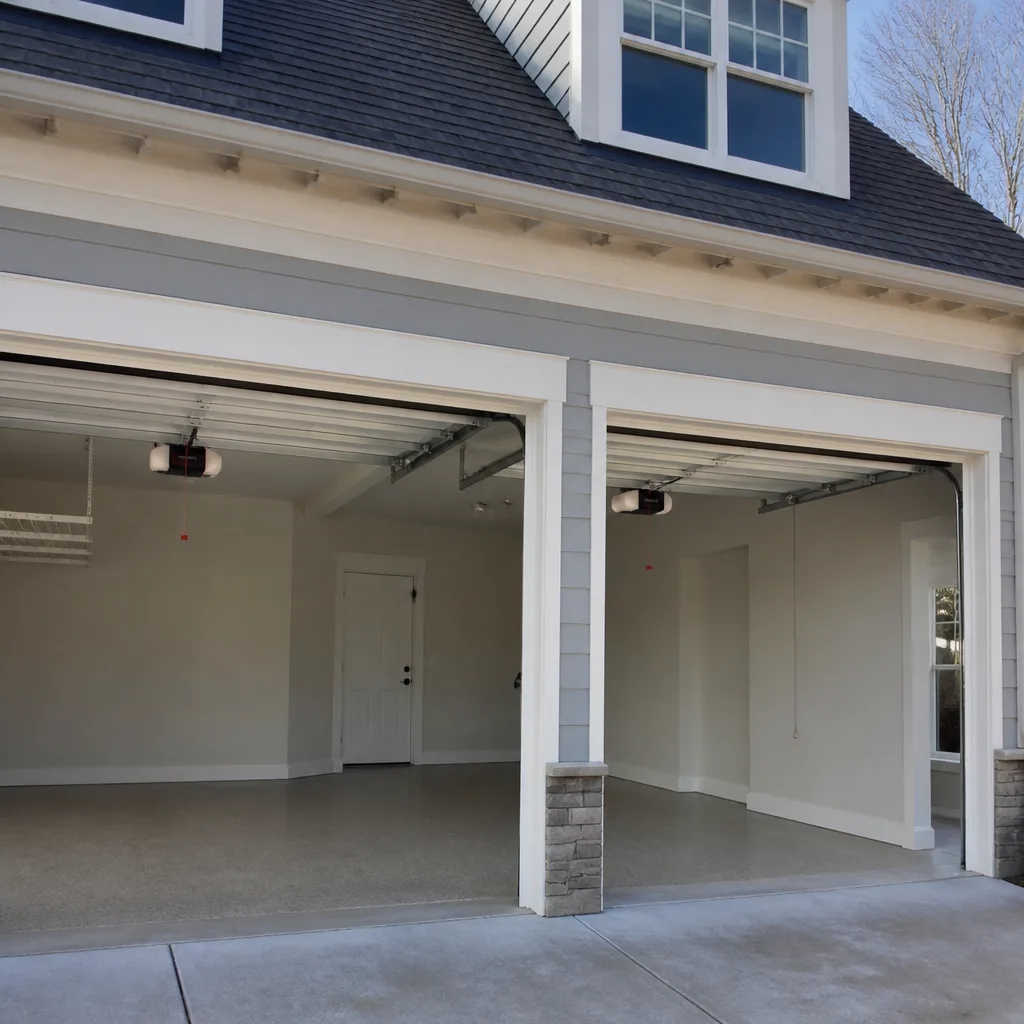 LiftMaster openers
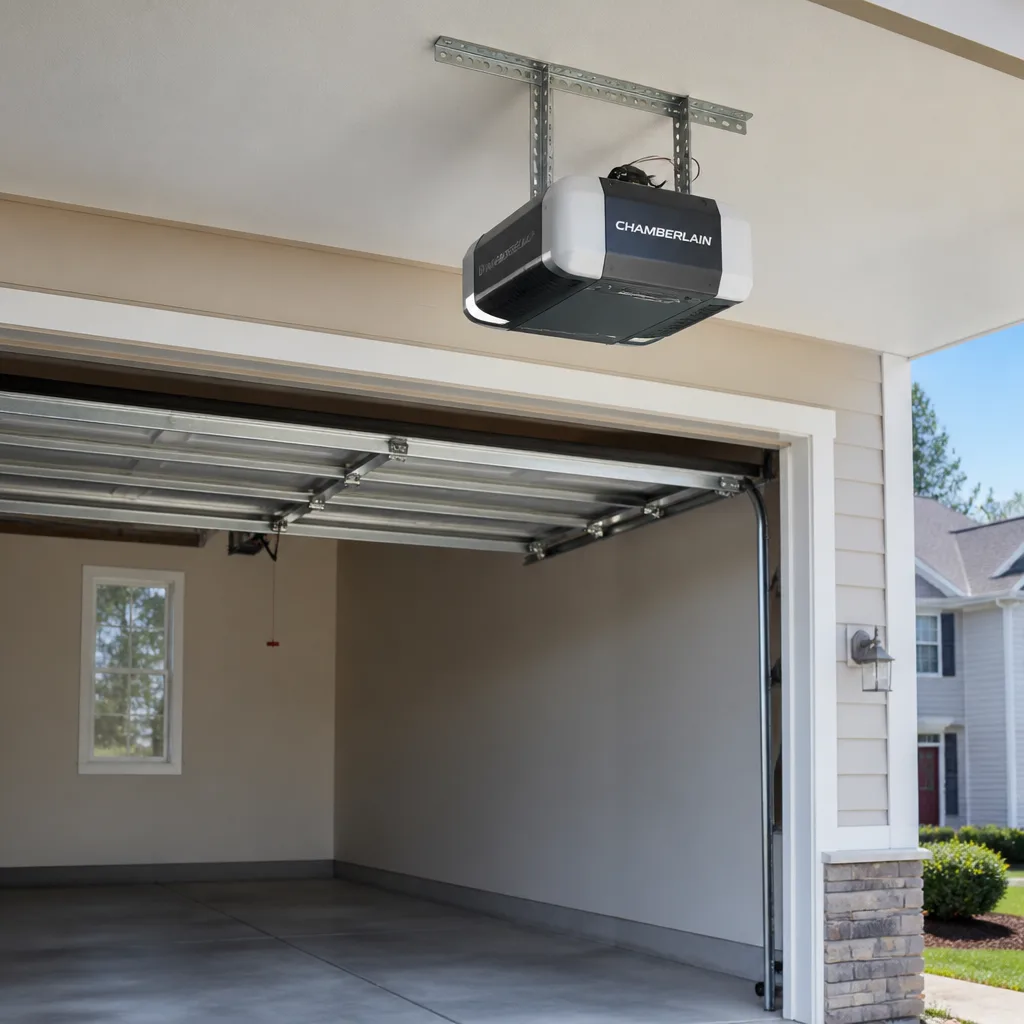 Chamberlain openers
Full 25-point door and opener safety check with every visit - springs, cables, rollers, tracks, and your LiftMaster or Chamberlain opener included
You get a price before we start. It does not change when the pro arrives.
Get your free estimateChoosing the Right Garage Door Brand: A Buyer’s Guide for Bloomington
Two garage doors with the same brand name printed on the box can last fifteen years apart, and the difference almost never comes down to the logo. It comes down to which product line the buyer chose. Here in Bloomington, that gap shows up fast: a builder-grade door and a premium door from the same manufacturer face the same freeze-thaw cycles, the same January cold, and the same sun on a south-facing wall, and one comes through it looking fine while the other is rusting at the bottom and sagging in the middle. This guide explains what actually predicts how a door holds up in Minnesota, why the brand your neighbor swears by might not suit your driveway, and how to compare Genie, Clopay, Amarr, Wayne Dalton and the rest on specs that matter rather than marketing copy.
Styles & brands we work with
- Raised-panel steel
- Carriage house
- Modern flush
- Full-view glass
- LiftMaster openers
- Chamberlain openers
Quick Answer
The best garage door brand for a Bloomington home is the one whose product line matches your climate load and whose parts you can actually get locally. Within any major brand, three construction specs decide real-world performance: heavy-gauge steel (or a quality wood composite), polyurethane insulation rather than polystyrene, and a bottom seal that actually seals. Brand reputation runs a distant fourth. Look for a line sold and serviced by local professionals before you look at the name on the door.
Table of Contents
- The Three Construction Specs That Predict Performance in Minnesota
- Why Product Line Beats Brand Name Every Time
- How to Check Parts Availability in the Bloomington Market
- Reading a Warranty: Language That Counts vs. Filler
- Why Your Neighbor’s Recommendation May Not Fit Your Door
- Comparing the Brands Most Common in Bloomington
- A Numbered Framework for Choosing Your Door
- Matching the Opener to the Door
- Common Mistakes to Avoid
- When to Call a Professional
- Frequently Asked Questions
- The Bottom Line
The Three Construction Specs That Predict Performance in Minnesota
If you remember nothing else from this guide, remember these three. They decide how a door behaves through a Bloomington winter far more than the brand name on the hinge. We’ve seen doors from the same manufacturer perform like different products entirely because the buyer on one job chose the insulated line and the buyer on the next took the builder special.
1. Steel gauge
Steel gauge is the thickness of the metal skin, and in garage doors a lower number means thicker, heavier steel. Builder-grade doors often use 27- or 28-gauge steel; better residential lines use 24- or 25-gauge, and premium lines go heavier still. Thin steel dents from a stray basketball and, more importantly in our climate, telegraphs every bit of movement in the panels as the door flexes through temperature swings. A heavy-gauge door resists denting and stays flatter and quieter over years of daily cycling.
2. Insulation: polyurethane vs. polystyrene
Insulation is where most of the price difference hides. Polystyrene is the white foam board most builder doors ship with. It’s cheap and it does almost nothing for temperature or sound. Polyurethane is a denser, injected foam that bonds to the steel and makes the whole panel stiffer and quieter, and it insulates far better. For a Bloomington garage that shares a wall with the house, or one you heat, or one under a bedroom, polyurethane earns its cost. If the panel is completely uninsulated, you’ll also fight condensation on the interior steel on cold mornings, which leads to rust long before the door wears out.
3. Bottom seal design
The bottom seal is the rubber or vinyl strip that meets the floor, and it’s the most overlooked spec on the whole door. In Minnesota, a thin seal flattens, cracks and lets in snowmelt and cold air within a couple of seasons. Look for a seal with a bulb-style or dual-lip profile that rides over a slightly uneven floor and stays flexible in the cold. A good seal also keeps out the mice and leaves that find their way into any Bloomington garage, and it’s a part you can replace on its own if you choose a line that stocks it locally.
None of these three specs appear in a typical showroom brochure headline. They’re in the spec sheet, and a good local professional will read it with you.
Why Product Line Beats Brand Name Every Time
Here’s the uncomfortable truth about brand guides: most of them are repackaged manufacturer marketing. They rank brands as if Clopay or Amarr or Wayne Dalton were single products, when each of those brands sells a ladder of lines from builder-grade to premium, and the differences inside one brand are larger than the differences between brands at the same tier.
Picture two doors: one a base-model steel door from Clopay and one a premium insulated door from the same catalog. The base model may use 27-gauge steel, polystyrene inserts and a basic bottom seal. The premium door might use heavier steel, injected polyurethane and a sealed thermal break at the edges. Bought on the same day, in the same Bloomington neighborhood, the base door is likely to look tired and rust at the bottom years before the premium one does. Same brand. Fifteen-year spread.
That’s why the right question isn’t “which brand is best?” It’s “which line within this brand fits my door opening, my budget and my climate, and can I get its parts?”
What this means for you
- Ask a professional which lines a brand offers and what each line’s steel gauge, insulation and seal actually are.
- Compare lines at the same tier across brands – a premium door from one brand against a premium door from another – never a base model against a flagship.
- Insist on the model number, not just the brand name, in any written quote.
- Choose a line whose parts are stocked by a local distributor, because your first replacement panel is where the value of a brand shows up.
If you already own a door and just need it fixed, we work on the brand already in your garage, and a proper garage door repair starts by reading the model, not guessing at the brand.
How to Check Parts Availability in the Bloomington Market
A great door from a brand with no local distributor becomes a problem the first time you need a replacement panel, and in Bloomington that can happen sooner than you’d expect – a backed-into door, a dented section, a bent bottom panel from a hit with a snow shovel handle. Evaluate parts availability before you buy, not after a section is crushed.
Five questions to ask a local parts source
- Does a distributor within a reasonable drive from Bloomington stock this manufacturer’s replacement sections and hardware?
- How long does the manufacturer keep that specific model in production, and does it publish a parts availability window?
- Can I get replacement rollers, hinges, bottom seals, and a matching panel for this exact line?
- If a panel is discontinued, does the brand offer a compatible replacement or a matched-color match?
- Do the local professionals you’d call actually service this make and model, or would they order the part and wait weeks?
Why this matters in Bloomington specifically
The metro has strong distribution for the brands most commonly installed in town. Genie openers, Clopay doors and Amarr doors are all well supported through the Twin Cities distribution network, and that’s a big part of why they’re so common here. Wayne Dalton also shows up widely in Bloomington and service around it is generally solid. A lesser-known import might save a few hundred dollars up front and then leave you waiting on a custom-order panel from out of state when a section is damaged. Ask before you buy – a local professional can tell you which brands and lines are actually stocked near Bloomington, and will work on LiftMaster, Chamberlain, Genie, Clopay, Amarr, Wayne Dalton, Craftsman and Raynor when the time comes.
Reading a Warranty: Language That Counts vs. Filler
Warranties are marketing with legal weight, and the marketing part shows up first. Here’s what actually holds up in practice and what usually doesn’t.
What count
- Section delamination and rust-through coverage. The best steel warranties cover the panel against rust-through and paint failure for a meaningful number of years. That’s the coverage you’d actually use in a humid, freeze-thaw garage.
- Hardware and spring coverage stated separately. Springs are consumables; a door that carries a multi-year spring warranty is a spec worth comparing.
- Opener electronics coverage separated from mechanical parts. Circuit boards and remotes are usually covered for a shorter period than the motor. Read both.
- Clear labor terms. A warranty tells you what’s covered, not who installs it. Find out whether labor is included in a claim.
What’s usually filler
- “Limited lifetime” on a part that never really fails in practice – impressive-sounding and rarely exercised.
- Cosmetic coverage that excludes the things that actually happen here: dents, scratches from a snowblower, and bottom-of-door rust from road salt dragged in off the driveway.
- Photographs of a shiny showroom and a fortress of fine print. The fine print wins every dispute; read it before you sign.
- Claims voided by self-installation or by a damaged bottom seal from a misadjusted opener. Keep the model number and the installer’s written estimate.
Talk to a professional about what a given warranty actually covers. We’ve seen good warranties come with a door that gets misused and warranties from big names that quietly exclude the water intrusion most likely to do damage in Bloomington. The one rule: never self-install a torsion spring. That’s a spring repair job for trained hands, and we cover it as a dedicated garage door spring repair service when something fails.
Why Your Neighbor’s Recommendation May Not Fit Your Door
Your neighbor’s door has lasted through a few Minnesota winters, so their brand recommendation feels safe. But a recommendation is really a data point about one specific door in one specific orientation, and your opening may not match theirs at all. Four factors make the difference.
Orientation and sun exposure
A south-facing Bloomington door soaks up direct sun all year and takes a hard UV hit on the paint and seals. A north-facing door never dries out the same way, so water sits on the paint and the bottom seal stays wet longer, which is rough on steel and on any wood or composite. A brand and finish that performs beautifully on a south wall can pale and peel on a north one. If your neighbor’s door faces the sun and yours faces the shade, their recommendation carries less weight than they think.
Usage frequency
A door that cycles twice a day for a retired couple behaves very differently from a door that cycles dozens of times a day on a family house or a garage used for daily storage. Heavy use punishes rollers, hinges, springs and opener electronics first, so the brands and lines with strong hardware and a supported opener matter more on a busy door.
House adjacency and insulation
An attached garage under bedrooms, or a garage you heat, needs an insulated door; a detached garage used only for storage may not. Insulation type (polyurethane vs. polystyrene) and door thickness cost more up front and pay off only in the right application. That’s a spec decision, not a brand decision, and it varies house to house on the same block.
Opening size and headroom
A standard seven- or eight-foot door and a taller or wider door aren’t the same install. A brand line that doesn’t offer your size, or your amount of headroom for the opener track, is a non-starter no matter how well it performs elsewhere.
The right move: treat a neighbor’s recommendation as “the brand is serviceable,” then have a professional measure your opening and read your specs before you choose the line. Then you’ll know whether your first call should be for garage door repair or for a new installation.
Comparing the Brands Most Common in Bloomington
Walk around most Bloomington neighborhoods and you’ll see a handful of names again and again. That’s not an accident: it’s distribution, installer preference and builder habit. Here’s how the four or five most common brands line up on the specs that matter in our climate. None of these are ranked “best” – each has a sensible tier and a weaker tier, and the right one depends on your specific door.
Clopay
Clopay sells a wide ladder of lines ranging from builder specials up to premium insulated doors with polyurethane cores and heavy-gauge steel. The spread inside the brand is what bites Bloomington buyers: the builder-grade Clopay and the premium Clopay can look like different products in five years. If you’re buying Clopay, know which line and check its steel gauge, insulation and bottom seal. Strong, widely supported parts network in the metro.
Amarr
Amarr has one of the strongest mid-tier insulated steel products at its price point and it’s genuinely popular locally. Its good lines use solid-gauge steel and polyurethane insulation where you’d expect polystyrene to be standard. Parts availability in the Twin Cities is dependable. The weaker lines are weak for the same reasons – thin steel, foam-only insulation – so compare by model number.
Wayne Dalton
Wayne Dalton is common on Bloomington homes and has been installed widely across the metro. It covers entry-level through insulated steel lines, and service and parts in the area are generally reliable. The lower tiers will rust at the bottom and dent easily; the insulated lines are a genuinely different door. Worth choosing by the line, not the brand.
Genie
Genie is primarily an opener brand with a strong presence in Bloomington garages. If you’re shopping openers rather than doors, Genie’s electronics and remotes are broadly supported and its parts are well distributed locally. Pair a Genie opener with the door it actually matches: too much opener motor for a light door or too little for a heavy one both cause problems. When an opener needs work, that’s a garage door opener repair call, and we handle Genie along with the rest of the majors.
The rest of the majors
LiftMaster and Chamberlain openers and Craftsman and Raynor doors are also common in Bloomington, and all are serviceable through local distribution. The same rule applies across all of them: the line, not the brand, sets the lifespan.
A Numbered Framework for Choosing Your Door
Here’s the practical process we’d suggest, in order. It’s a decision framework, not a shopping list, and it applies whether you’re replacing a failing Blommington door or buying new.
- Measure and note the opening. Note width, height and especially headroom and side clearance. Confirm the brand you’re considering offers your door size.
- Decide whether you need an insulated door. Attached garage, heated space, bedrooms above, or the need for a quieter door: yes. Detached, storage only: probably not. That one answer points you to polyurethane or polystyrene.
- Pick the tier first, then the brand. Choose a premium or mid-tier line, then find the brand that offers it in your size and price. Don’t let a brand logo lead the choice.
- Check the three specs on the line you chose. Confirm steel gauge (thicker is better in a Bloomington winter), the insulation type, and the bottom seal design.
- Verify parts availability locally. Ask whether sections, hinges, rollers and the bottom seal are stocked within reach of Bloomington, and whether the local professionals you’d call service that model.
- Read the warranty against what actually fails there. Confirm panel rust-through and paint coverage, spring coverage, and clear labor terms.
- Match the opener to the door. Check the opener’s capacity is right for the door’s weight and that it’s a brand you can get parts for locally.
- Get a written, itemized quote with the model number. Never accept a verbal estimate for a new door. The written quote is the price.
The install matters as much as the door. If the springs aren’t set, the door sits crooked and the whole hardware set wears fast. That’s how one job, with one line of garage door repair done properly, saves thousands of dollars of grief over the next decade.
Matching the Opener to the Door
An opener is not a generic add-on. It’s matched to the weight of the door, the height of the ceiling and the power supply, and a poorly matched opener is a common source of noise, wear and premature failures in Bloomington. Oversize motors from a big brand on a light door add cost and noise without benefit. Undersize a motor on a heavy insulated door and the opener drags, the springs carry more load than they should, and both wear out early.
For choosing an opener
- Confirm the opener’s rated door weight and height meet your door.
- Look for an opener that’s supported locally with parts and remotes.
- Match the opener brand to what’s already in your garage if you’re replacing one – keeping the wiring and remotes simple, and avoiding brand mixing where the parts don’t speak to each other.
- For a new opener on a new door, have the door installer choose the opener as part of the job so the weight and the motor are matched from day one.
LiftMaster and Chamberlain, along with Genie and Craftsman, are all well supported in the Bloomington area, so there’s little reason to choose an opener you can’t get serviced locally. When they fail, we cover the garage door opener repair side of it, part of the full service chain – repair, opener service, spring replacement and new installation – handled by one group of professionals rather than three.
Common Mistakes to Avoid
- Buying on brand alone. The product line inside the brand, not the logo, sets how long the door lasts. Ask for the model and read its specs.
- Comparing a base model against a flagship. If you compare a builder-grade door from one brand against a premium door from another, the comparison is meaningless and the price gap is the tier, not the name.
- Ignoring the bottom seal. It’s the single cheapest part on the door and the first to fail in a Bloomington winter; a thin seal flattens, cracks and lets in snowmelt, and the cost is all in the damaged steel above it.
- Taking a neighbor’s recommendation without checking your own door. A south-facing, sun-baked door and yours in the shade are different jobs, even on the same street.
- Choosing a brand with no local parts support. The first bent panel turns an obscure brand into an expensive problem; check parts availability in the metro before you buy.
- Mismatching the opener to the door. Too strong or too weak a motor both shorten the life of the springs and hardware, so have the opener chosen with the door, not separately.
- DIY on a torsion spring. Garage door springs and the cables they tension carry stored force, and they can cause serious injury with one wrong move. Spring repair needs trained, equipped hands, always.
When to Call a Professional
Some jobs are clear. A broken spring, a door that jumps its track, a snapped cable or a door that won’t close tight is a call, and we treat a door that won’t move as urgent – when the door traps a car inside or leaves a Bloomington home unsecured, it can’t wait. Beyond the obvious failures, we’re also the right call when you’re not sure which door or line to choose, when an existing door’s model number and specs need reading, and when springs, openers or panels need matching so they work together. We answer 24/7, with fast dispatch from 7am to 7pm, Sunday through Friday and closed Saturday. Bloomington Garage Door Repair Co offers free estimates in Bloomington – call (833) 508-9255 and the written price is set before any work starts.
Frequently Asked Questions
There’s no single best brand – the best choice is the product line that fits your opening, insulation needs and budget, sold with local parts support. Among the brands most common in Bloomington, the insulated mid and premium lines from Clopay, Amarr and Wayne Dalton all perform well in a Minnesota winter, and Genie, LiftMaster and Chamberlain are well supported openers. Compare by model number and specs, not by name on the box.
Call (833) 508-9255 for an exact quote – estimates are free and we’ll read the specs with you.
A more expensive line within a brand usually lasts longer, but a more expensive brand doesn’t automatically. Steel gauge, polyurethane insulation and bottom seal design do that work. A builder-grade door from a famous brand can wear out well before a premium line from a less famous one, so the price should track the specs rather than the logo.
Call (833) 508-9255 for a free estimate on the line that fits your door and budget.
Look for a model number sticker or tag on the inside of the door or on the end panel, and note the manufacturer, the model number and the door size. That tag tells a professional which line, gauge and seal you have, and what remains. If the tag is missing, a trained eye reads the door’s details from the panel construction and hardware.
Call (833) 508-9255 for an exact quote – estimates are free.
Polyurethane is the better choice for an attached Bloomington garage you heat or one under bedrooms, because it insulates and stiffens the panel far better than polystyrene. Polystyrene is fine for a detached, unheated storage garage where cost matters more than warmth or quiet. If your garage is attached, choose polyurethane.
Call (833) 508-9255 for a free estimate on the right door for your garage.
No. We quote the job and agree the price with you before any work starts, and the written estimate is the price. If a job turns out to need more than expected, we explain the finding before touching it, so you never get a surprise invoice at the end. The written estimate sets the final price.
Call (833) 508-9255 for an exact quote – estimates are free.
Same-day service is offered for urgent failures, because a door that won’t move leaves a car trapped or a home open. We answer 24/7 and fast dispatch runs from 7am to 7pm, Sunday through Friday. A call outside dispatch hours is booked into the next opening, Sunday through Friday, 7am to 7pm.
Call (833) 508-9255 for the fastest route to a working door.
The Bottom Line
Brand name is the least useful way to choose a garage door. The product line, and specifically steel gauge, insulation type and bottom seal design, decides how a door performs through Bloomington winters, and local parts availability decides how easy it is to fix when a panel or seal needs replacing. Match the tier to your opening and insulation needs first, read the specs and the warranty, then let the brand follow. If you already have a failing door, the brand already in your garage is one we work on, and one call covers spring repair, opener service, garage door repair and new installation when the time comes. The right fix, explained clearly, done once.
Call (833) 508-9255 to talk through your door and get a free written estimate. We answer 24/7 with fast dispatch from 7am to 7pm, Sunday through Friday. The team at Bloomington Garage Door Repair Co is ready to help.
Written by the team at Bloomington Garage Door Repair Co.
See the difference
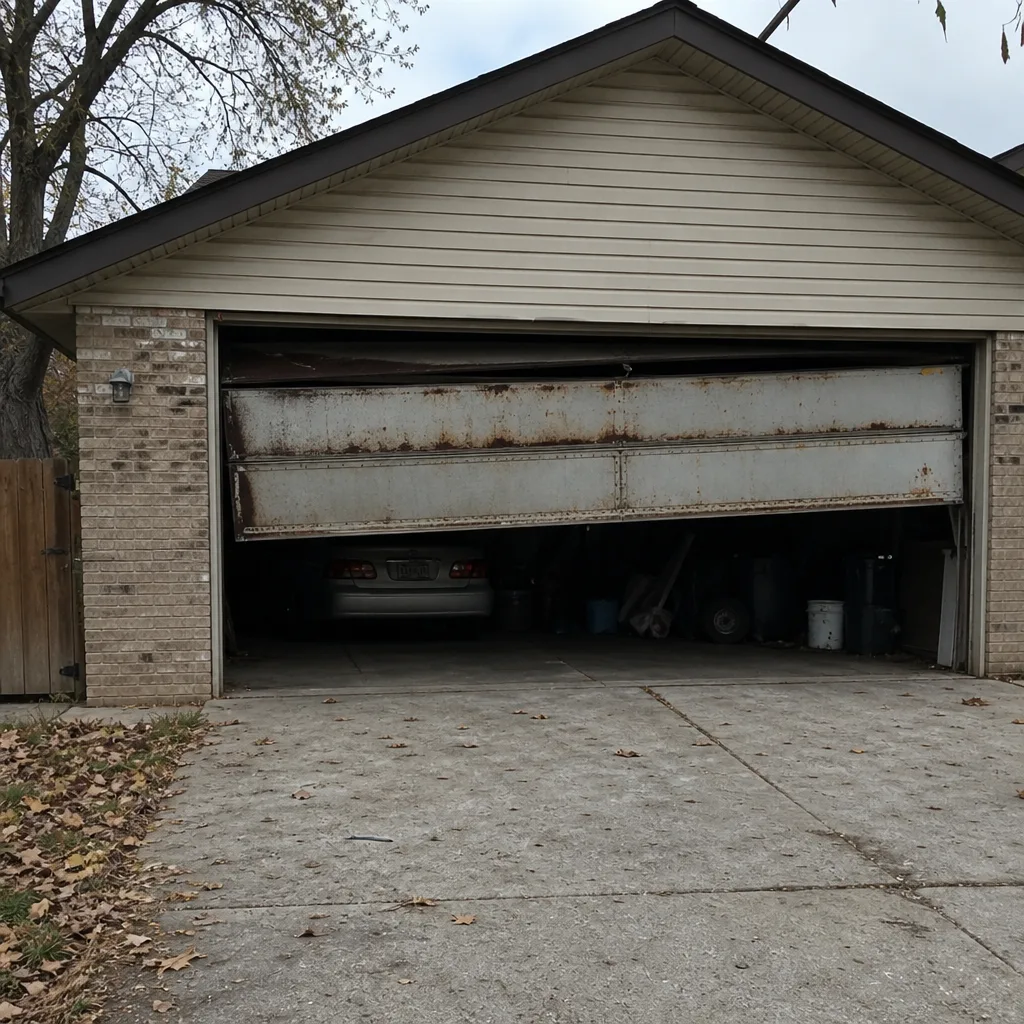 Before
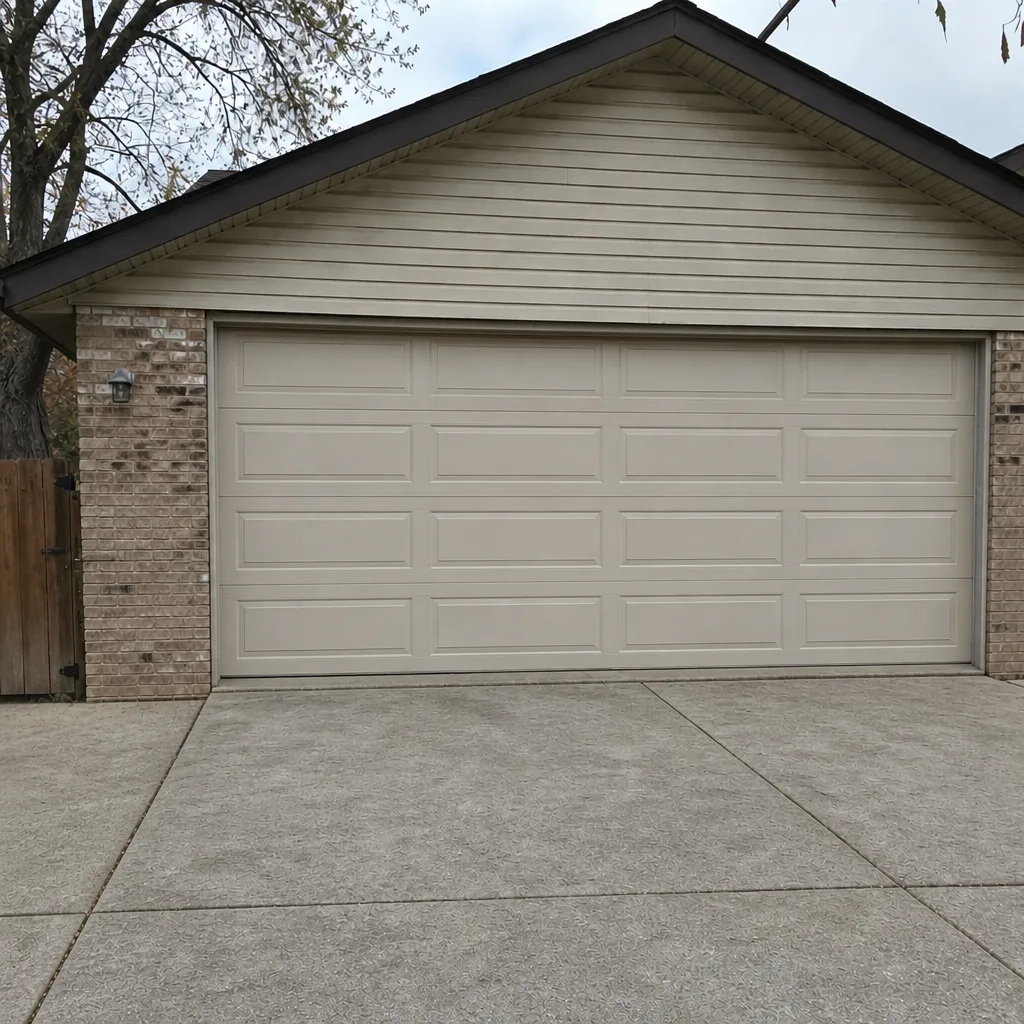 After
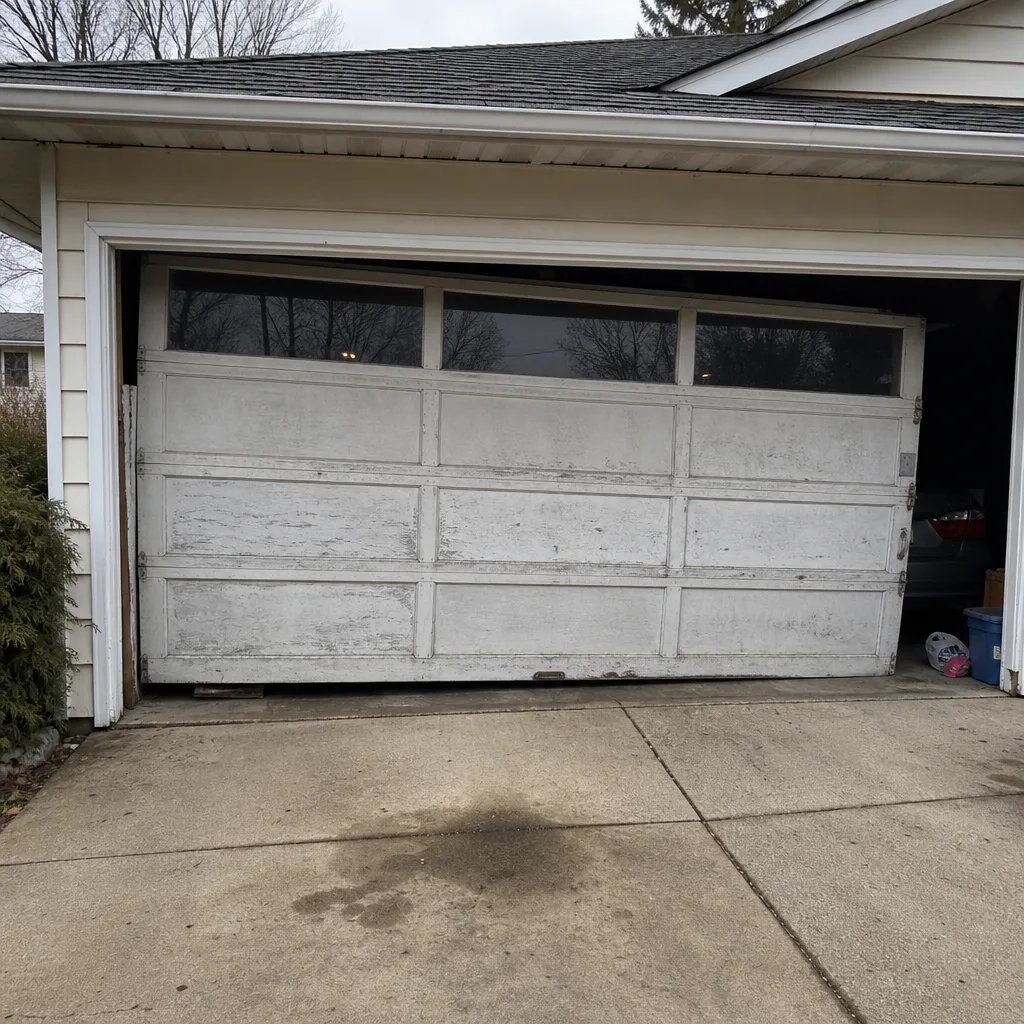 Before
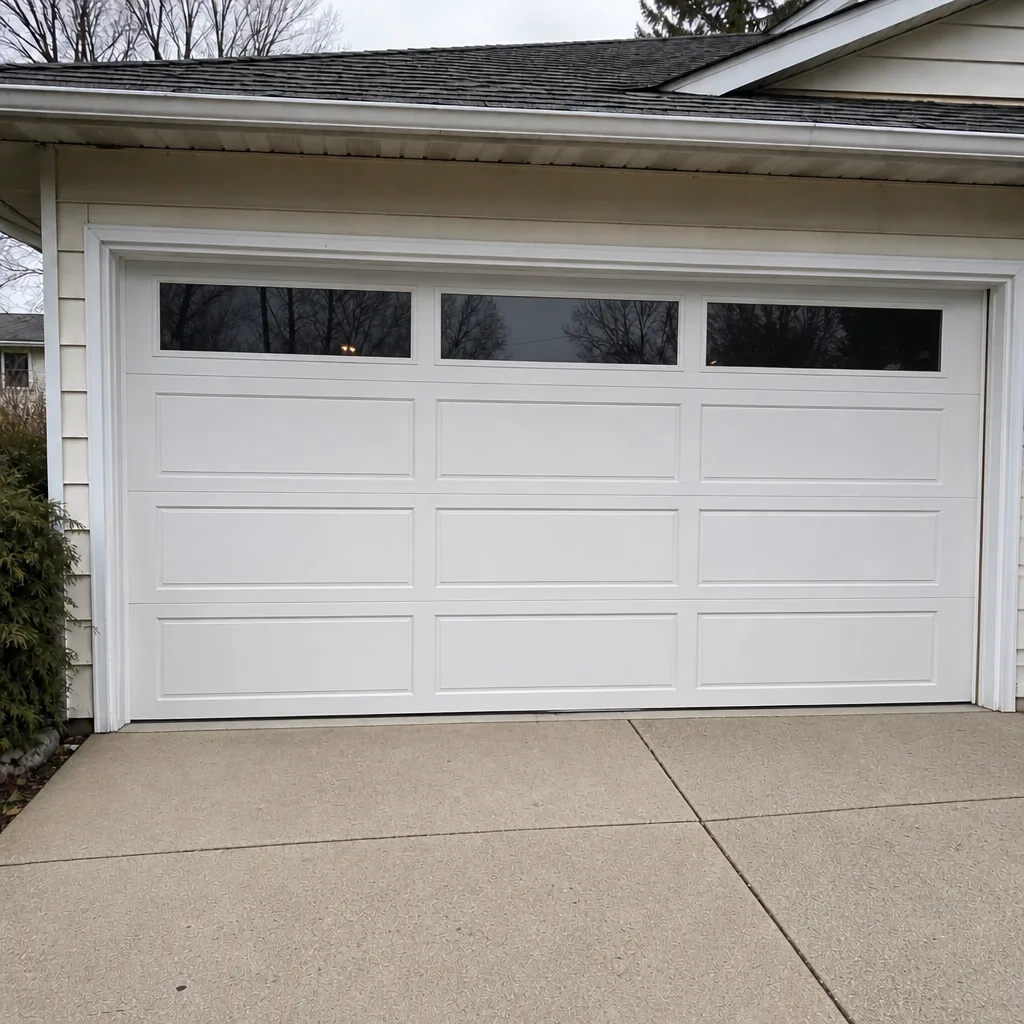 After
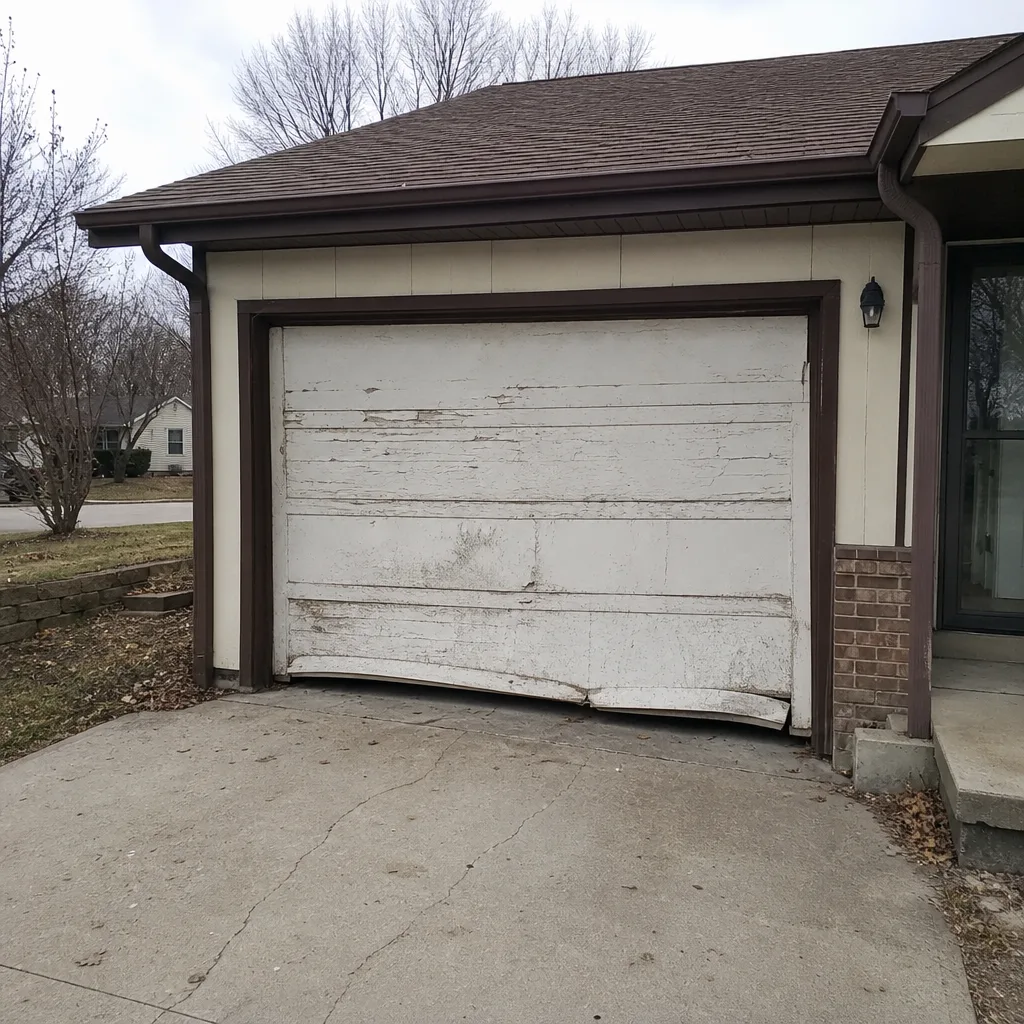 Before
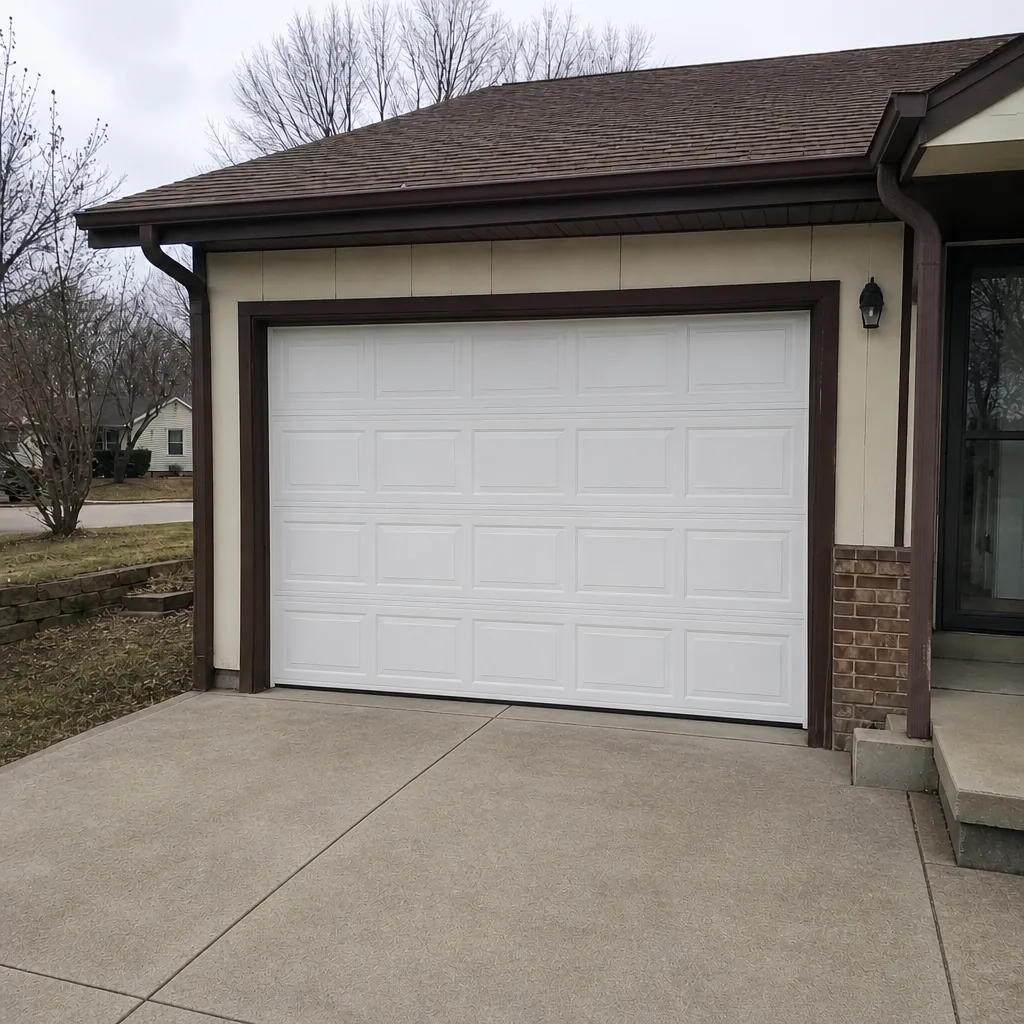 After