
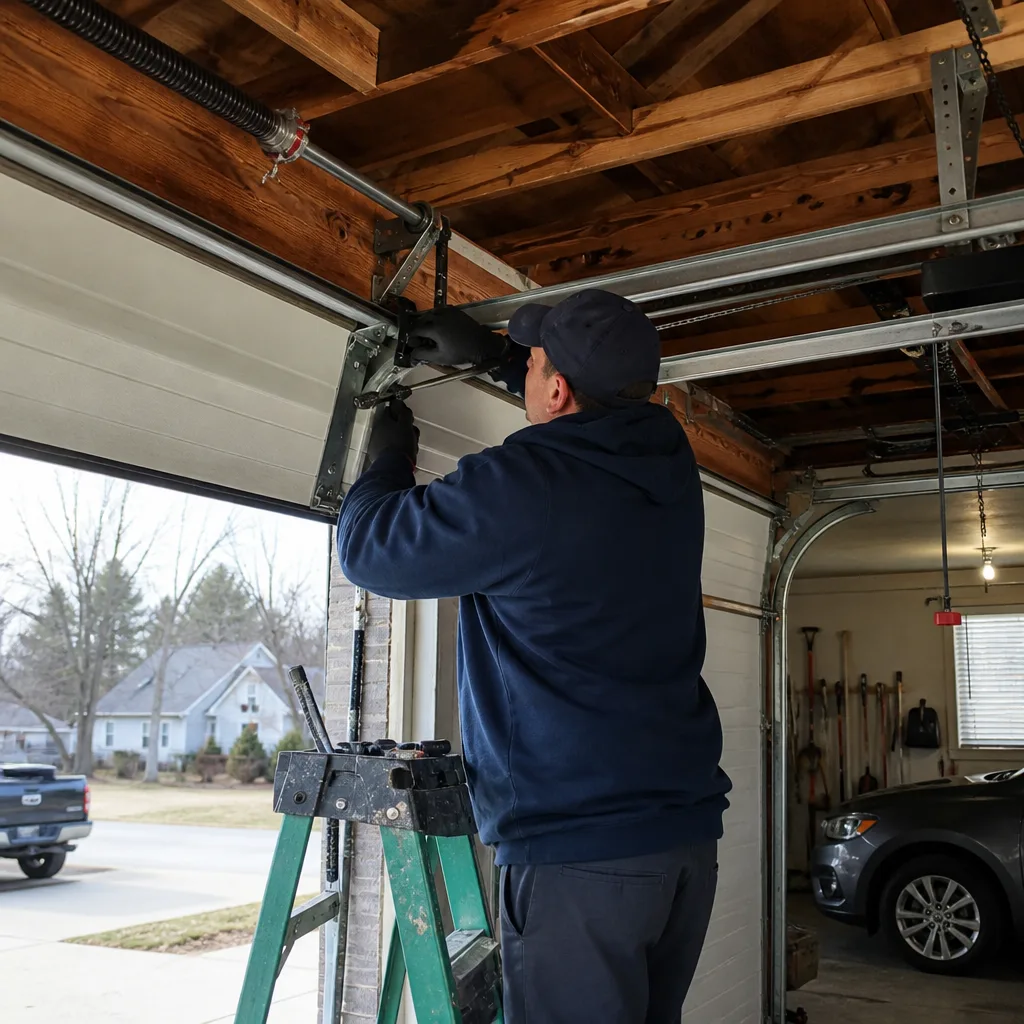
Last updated November 21, 2026
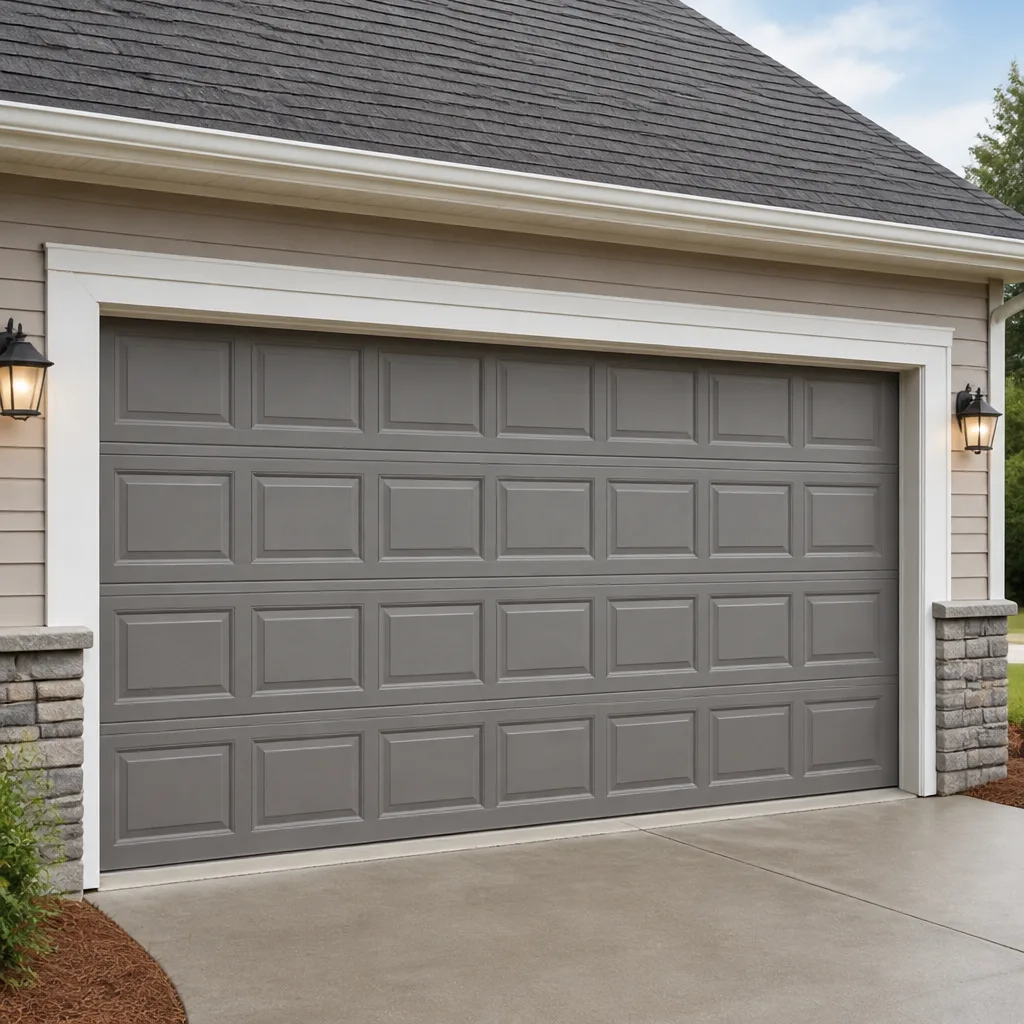 Raised-panel steel
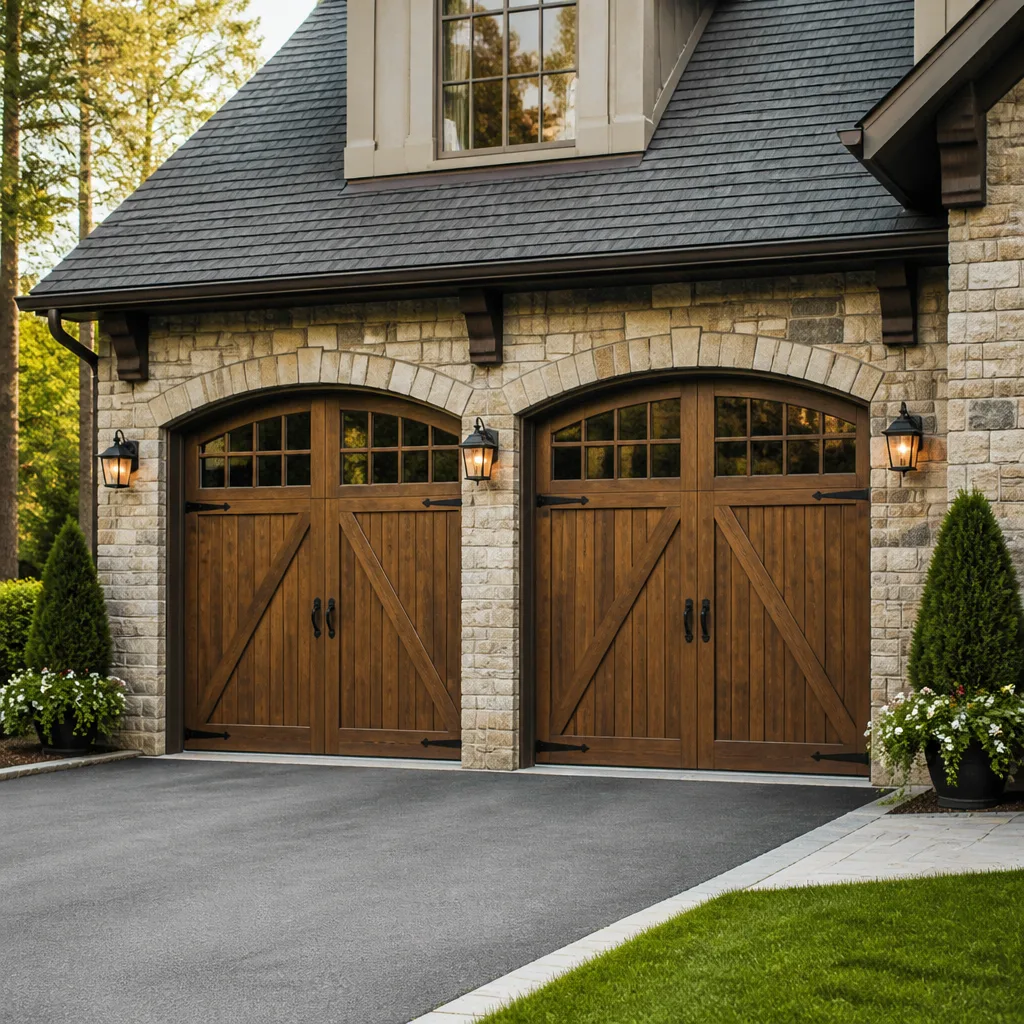 Carriage house
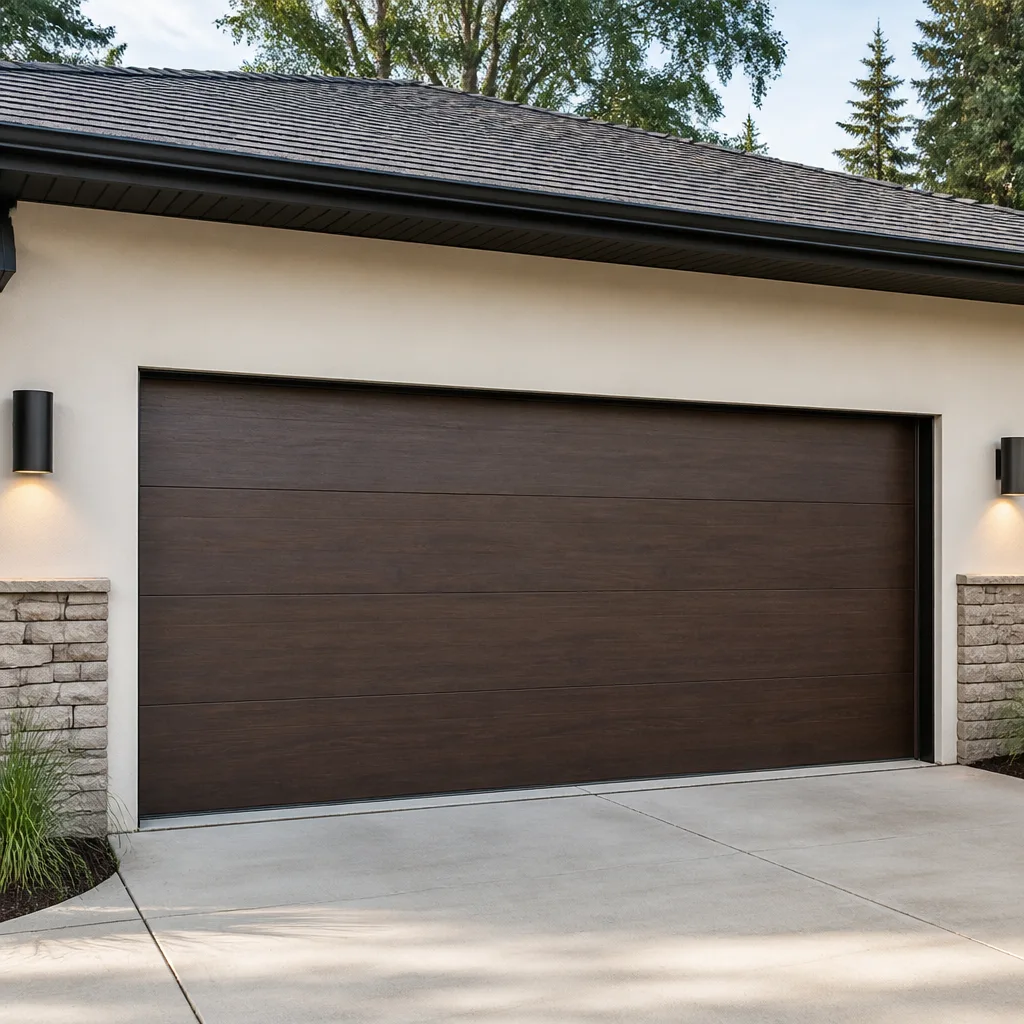 Modern flush
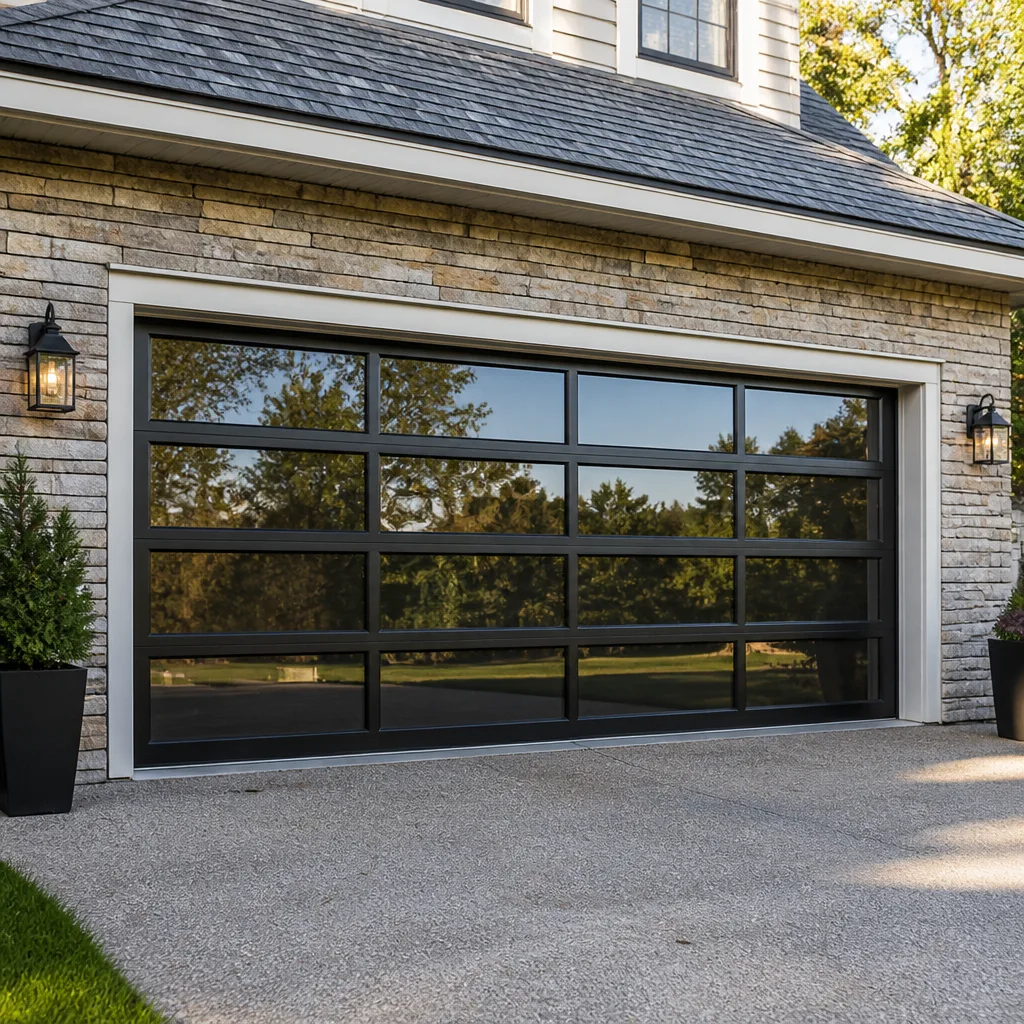 Full-view glass
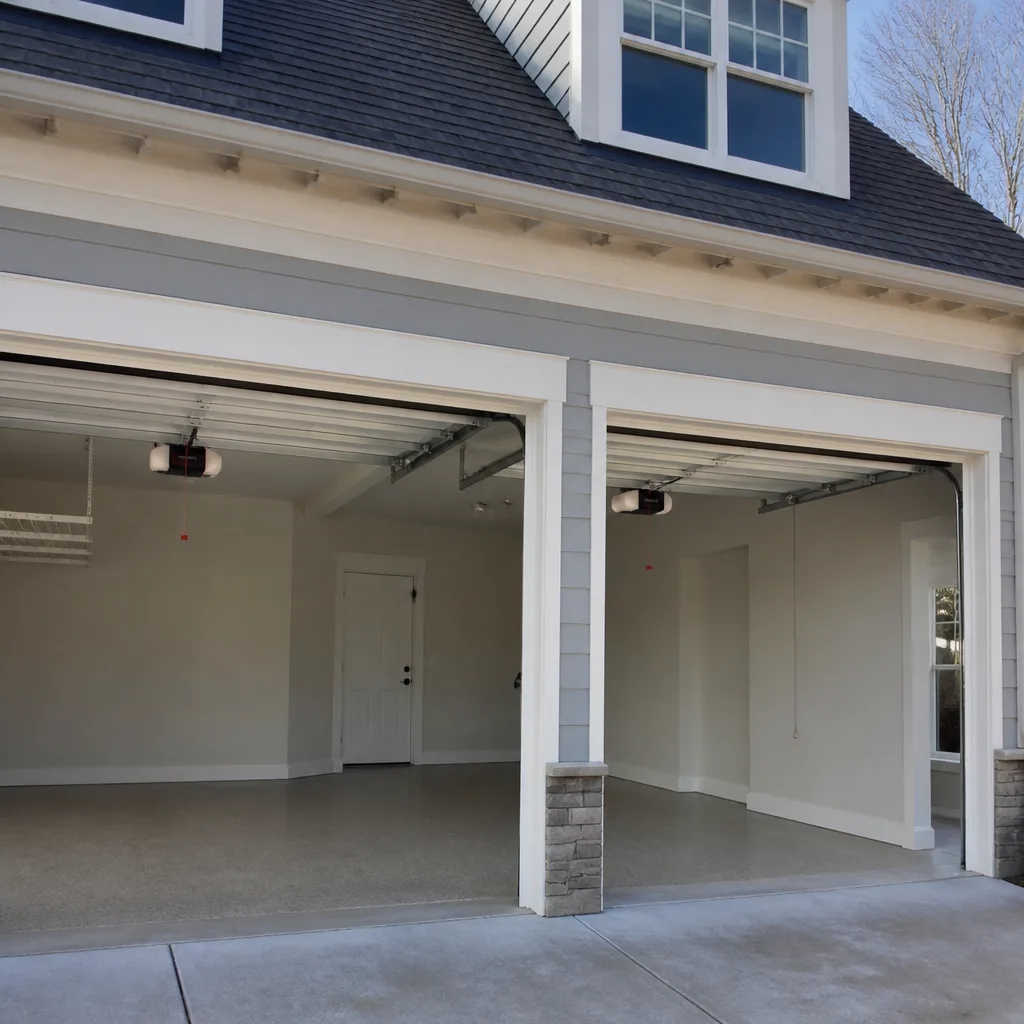 LiftMaster openers
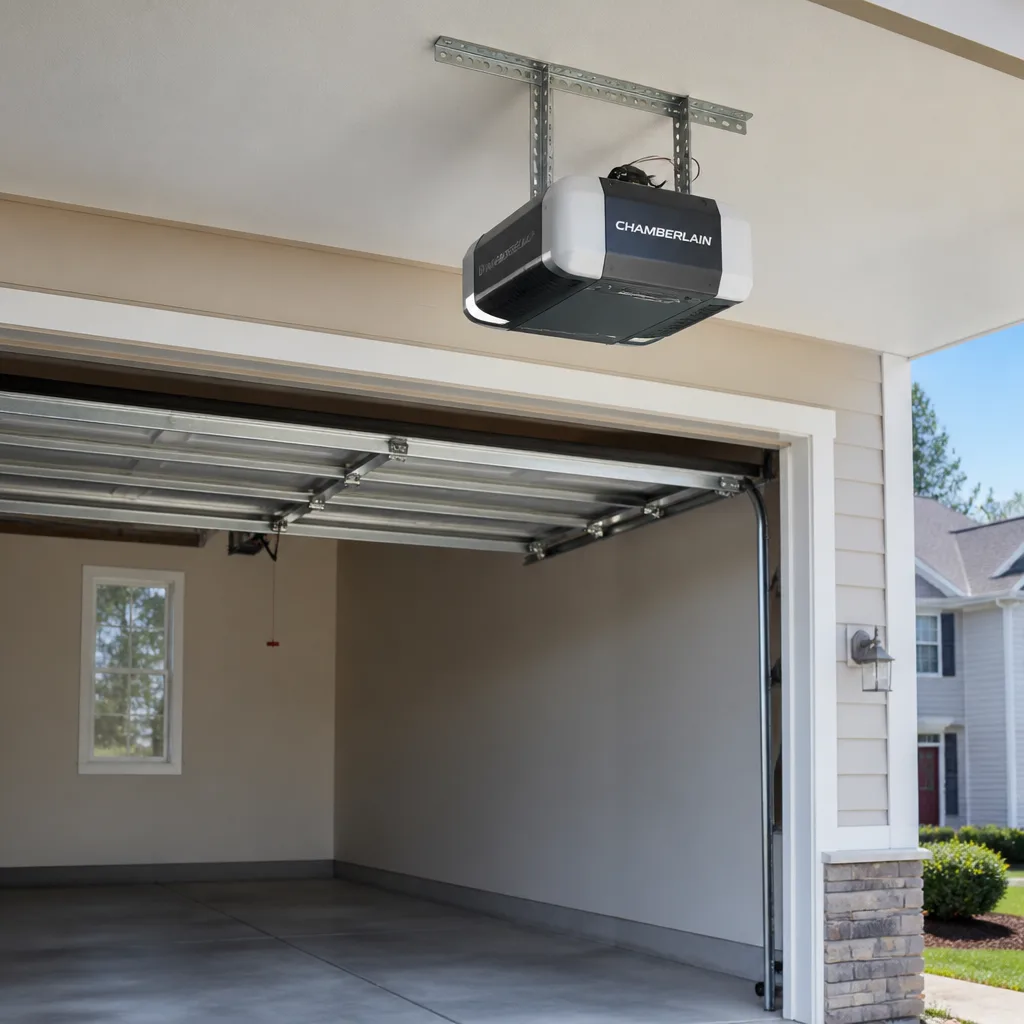 Chamberlain openers
Full 25-point door and opener safety check with every visit - springs, cables, rollers, tracks, and your LiftMaster or Chamberlain opener included
You get a price before we start. It does not change when the pro arrives.
Get your free estimateThe Complete Guide to Garage Doors in Bloomington
Most homeowners think about the garage door as one big object: it’s up, or it’s down. The reality is a mechanical system with springs, cables, rollers, hinges, tracks, and an opener all working in coordination, and every one of those parts is under load whether the door is moving or sitting still. A door that opens and closes on command can still be badly out of balance, and that imbalance quietly wears out every other component. In Bloomington, the freeze-thaw cycle stresses this system in ways that milder climates don’t. This guide explains how the whole thing fits together, so each decision you make – a repair, an opener swap, a spring replacement, a new door – sets up the next one correctly instead of creating a new problem.
Quick Answer
A garage door is a balanced system, not a collection of parts: the springs carry the door’s weight, the opener only guides it, and the door, springs, and opener all have to be matched to each other. If any one of those three is out of spec, the others wear out faster. In Bloomington, freeze-thaw cycles make proper balance and lubrication a seasonal habit, not a one-time fix, because the parts expand and contract through the year.
Styles & brands we work with
- Raised-panel steel
- Carriage house
- Modern flush
- Full-view glass
- LiftMaster openers
- Chamberlain openers
Table of Contents
- How a Garage Door System Actually Works
- How Bloomington’s Freeze-Thaw Cycle Stresses Each Component
- Why the Opener, Springs, and Door Weight Must Match
- Balanced vs. Just Working: How to Tell Which Door You Have
- How to Read Your Existing Hardware Before You Call Anyone
- What Bloomington Permit Triggers Apply to Replacement vs. Repair
- Repair or Replace: Making the Call
- The Seasonal Maintenance Rhythm That Pays You Back
How a Garage Door System Actually Works
Start with the one fact that explains everything else: the springs lift the door, and the opener does not. A torsion spring system (the coil mounted on a shaft above the door) or an extension spring system (springs running along the horizontal tracks) is sized to counterbalance the door’s weight. Once balanced, a door should be liftable by hand with modest effort, and it should stay put at any point along its travel. The opener’s job is to push and pull a door that’s already nearly weightless to it.
That’s why a garage door can be dangerous in ways a broken appliance is not. The springs hold stored energy, and they release it suddenly when they fail. Cables and the torsion shaft are under that same tension. This is why garage door spring repair is a job for trained hands and not a weekend project, no matter how many videos you find online. We’ve seen the damage that comes from a spring replaced with the wrong wire gauge or wound to the wrong number of turns; the door may move for a while, but the opener and cables absorb the imbalance until something gives.
The rest of the system is simpler. Rollers ride in the tracks. Hinges connect the panels. The bottom seal keeps weather out. The safety reverse system stops the door if something is in its path. Each of those parts is replaceable and inexpensive compared with the assembly as a whole, which is why knowing what’s actually failing matters so much before you authorize any work.
How Bloomington’s Freeze-Thaw Cycle Stresses Each Component
Bloomington sits in a climate with real winter and real summer, and the transition months are the hard part. Water gets into joints and seals, freezes, expands, then thaws. Repeated dozens of times over a season, that cycle works on different parts of your door in different ways.
- Springs are steel under constant tension. Cold makes the metal less ductile, and the expansion and contraction over a Minnesota winter adds stress cycles to a part that’s already cycling thousands of times a year. Spring failures cluster in the cold months for exactly this reason.
- Tracks are anchored to the framing, and the framing itself moves slightly with temperature. A track that was plumb in October may sit a fraction off by February, which shows up as a door that binds or rubs on one side.
- Rollers and hinges lose lubricant faster when they’re exposed to freeze-thaw. A dry roller wears flat spots, and flat spots make noise and stress the opener.
- Weatherstripping and bottom seals crack when they freeze and thaw repeatedly. A split bottom seal lets in meltwater, which is how ice builds up at the threshold and blocks the door.
- The opener’s drive gear and rail face more resistance in cold weather, which is why openers tend to fail in winter rather than summer. They’re being asked to move a door that’s heavier than usual in the cold.
None of this means the door is doomed. It means maintenance in Bloomington should be timed around the seasons, not just done once and forgotten. A lubrication pass in late fall and a balance check in spring catch most of the wear before it becomes a failure.
Why the Opener, Springs, and Door Weight Must Match
Here’s the mistake that causes the most premature failures: an installer sizes the opener to the “average” door, or reuses the springs from the previous door, without checking the actual weight of what’s hanging in the opening. It happens more often than you’d think with do-it-yourself installs and quick-turn jobs. The door works fine for a while, then the opener’s gear wears, or the springs sag, and the homeowner blames the brand instead of the setup.
Three things have to line up:
- Door weight. A single-car steel door and a double-car insulated door are very different loads. Insulated doors, glass panels, and carriage-house styles add weight that basic openers weren’t designed to move.
- Spring size. Spring wire gauge, inside diameter, and length determine how much lift a spring provides and how many cycles it can handle. Spring sizing is math, not guesswork. Get it wrong and the door either won’t stay up or slams down.
- Opener capacity. Opener horsepower and drive type need to suit the door. A belt-drive opener rated for a light door will struggle with a heavy one, and a chain drive on a poorly balanced door just wears faster.
If you’re replacing a door, the installer should measure the old door’s weight and confirm the springs and opener match the new one. If hardware already in your garage is from a known brand like Clopay, Amarr, or Wayne Dalton, that tells the installer something about the door’s construction and weight range before anyone lifts a tool. Bloomington Garage Door Repair Co services those brands along with LiftMaster, Chamberlain, Genie, Craftsman, and Raynor openers, so we’re working with the system that’s actually installed rather than swapping in a one-size generic. We’ve seen plenty of “mystery opener” jobs where the wrong unit was matched to the door, and the fix usually starts with measuring before anything gets replaced.
Balanced vs. Just Working: How to Tell Which Door You Have
A garage door that opens and closes is not the same as a balanced garage door. Most homeowners never learn the difference until something expensive breaks. A balanced door is one where the springs are carrying the weight exactly, so the opener does almost no work. An unbalanced door still moves, but the opener is lifting more than it should, and that shows up as strain elsewhere.
Here’s a simple check you can do without tools, standing safely to the side of the door (never under it, and never with your hands in the path of the springs or cables):
- Pull the emergency release so the opener is disconnected from the door.
- Lift the door by hand about halfway up and let it go.
- A balanced door stays put. An unbalanced door falls down, or drifts up on its own.
- Lower it and re-engage the opener before you leave it.
If it drops, the springs are worn, undersized, or the wrong type. If it drifts up, the springs are too strong. Either way, it’s worth a free estimate to have it checked correctly. “Working” and “balanced” are different answers, and only one of them protects your opener.
How to Read Your Existing Hardware Before You Call Anyone
When you call for a repair, the more you can tell us about what’s already in the garage, the faster the diagnosis goes. You don’t need to be a technician; you just need to read the labels and look at a couple of key parts.
- Opener brand and model. Look on the motor housing or the back panel of the unit. Most have a label with the brand, model number, and sometimes the manufacture date. LiftMaster, Chamberlain, Genie, Craftsman, and Raynor are the most common in Bloomington homes. Knowing the brand tells us which proprietary parts and remotes apply.
- Door brand. Many steel doors have a stamp or sticker on the inside of a panel. Clopay, Amarr, and Wayne Dalton are common. The door brand hints at construction, weight, and paneling.
- Spring type. A torsion spring is a coil on a horizontal shaft above the door. Extension springs run along the sides. The two use different hardware and different replacement procedures.
- Safety reverse test. Put a piece of wood or a brick under the door and close it. The door should reverse. If it doesn’t, the safety system needs attention.
- The remote and keypad. Note whether you have one remote or several, and whether there’s a wall keypad. It helps determine whether a repair affects just the motor or the whole access system.
Read that information once, write it down, and you’ll be able to give a technician the details that make the first call efficient. Any of the brands listed above is something we can work on directly – your garage door brand isn’t a problem for us, it’s something we prepare for.
What Bloomington Permit Triggers Apply to Replacement vs. Repair
The permit question trips people up because it depends on whether the work is a repair or a replacement. In general, repairs to existing hardware – a spring, a roller, a hinge, an opener swap on the same door – are usually maintenance and don’t trigger a permit. Replacing the door itself, or changing the opening’s structure to fit a different size, is a different matter and can require a permit.
Bloomington’s permit rules and fees are set by the city, and the answer depends on the scope of the job. The single best source is the city’s building department; call them before you commit to a full replacement, or ask the installer to confirm the permit requirement as part of the quote. A reputable installer will know whether a permit is needed for a door replacement on your home and will build it into the plan. If an installer can’t tell you either way, that’s a sign to keep asking questions before you sign anything.
What’s not up for debate: the door that goes back in has to work with the existing springs and opener, or all three get replaced as a set. A permit doesn’t make a mismatched door safe. A properly sized and verified installation does.
Repair or Replace: Making the Call
There’s no fixed rule, but a few signals point toward replacement rather than repair, and the answer depends on the door’s condition more than its age. The questions to ask are about the panels, not the calendar.
- Panel damage. One dent or one cracked panel can usually be dealt with. Multiple warped, cracked, or rusted panels across the door add up to replacement being the more sensible spend.
- Failing hinges and hardware on multiple seams. If hardware is failing in many places at once, the door is telling you the rest of it is worn too.
- Opener mismatched to door. If an old opener was sized for a lighter door and the door was swapped later without resizing the opener, replacement is often the cleaner path than chasing the mismatch.
- A door that’s “working” but not balanced. If a fresh spring installation won’t bring it into balance, that’s a sign the door itself is the limiting factor.
- Weatherstripping and bottom seal failing at the same time as tracks. A door that’s failing on the whole envelope is at the point where replacement is the practical choice.
If the door is otherwise sound, a repair is almost always the right call. If it’s structurally tired, a new door with properly sized springs and opener gives you a system that’s matched from the ground up, and the garage door repair conversation becomes a replacement conversation only when the numbers support it. In an emergency, the priority is getting the car out or the home secured; a full Bloomington Garage Door Repair Co response handles both the immediate problem and a plan for the permanent fix. When the door won’t move, we move fast.
The Seasonal Maintenance Rhythm That Pays You Back
A garage door in Bloomington responds to a light maintenance rhythm that follows the seasons. You don’t need to touch the springs (leave those to a professional), but you can keep the moving parts clean and check the balance yourself.
- Late fall, before the first hard freeze: wipe down and lubricate the hinges, rollers, and tracks with a proper garage door lubricant. Check the bottom seal for cracks. Test the safety reverse.
- Mid-winter: listen to the door more carefully than you look at it. Grinding, popping, or a door that slows near the top are early warnings of a track or roller problem.
- Early spring, after frost danger: run the balance check described above. Look at the tracks for a bow or a dent.
- Late spring: snug the track bolts, but don’t over-tighten. Confirm the opener still reverses on a light obstruction.
Openers themselves need occasional attention too. If the remote range shrinks or the motor is noisy, it’s often the rail, the drive gear, or a battery rather than the motor. That’s a good time to have a professional look; our garage door opener repair work covers the whole unit, not just the button. The maintenance rhythm above is what makes the difference between a door that lasts and one that surprises you.
Common Mistakes to Avoid
- Replacing one spring when the other is the same age. Spring pairs wear together. Matching a new spring to an old one leaves the door out of balance again in months.
- Buying an opener based on price alone. A cheaper opener that’s undersized for a heavy insulated door wears out faster and puts strain on the door. Match the opener to the door’s weight and springs.
- Trying to tension a spring or adjust cables yourself. These parts store serious energy. A spring that slips can injure you badly, and the tools aren’t ordinary household tools. Leave them to trained technicians.
- Pigeonholing the job as “just a repair” before you’ve had it assessed. Sometimes a repair is the right call; sometimes the door needs a full system check. A free estimate tells you which.
- Ignoring a door that “works” but isn’t balanced. An unbalanced door quietly strains the opener until it fails. The 30-second balance check is worth running.
- Not checking the permit requirement for a full replacement. Bloomington’s building department is the authority here. Confirm before you order the door.
- Using WD-40 or heavy grease on the tracks. It attracts grit in a Minnesota winter and causes more wear. Use a proper silicone or garage door lubricant.
See the difference
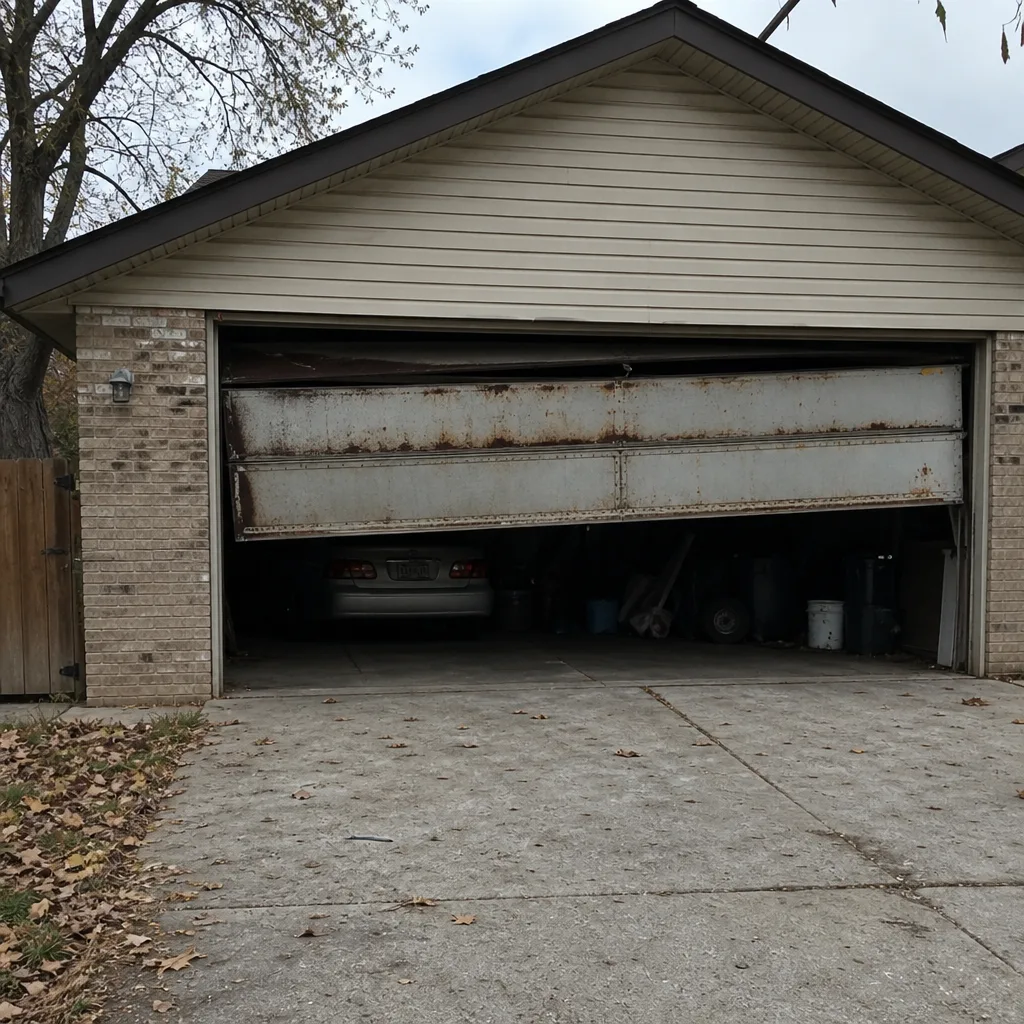 Before
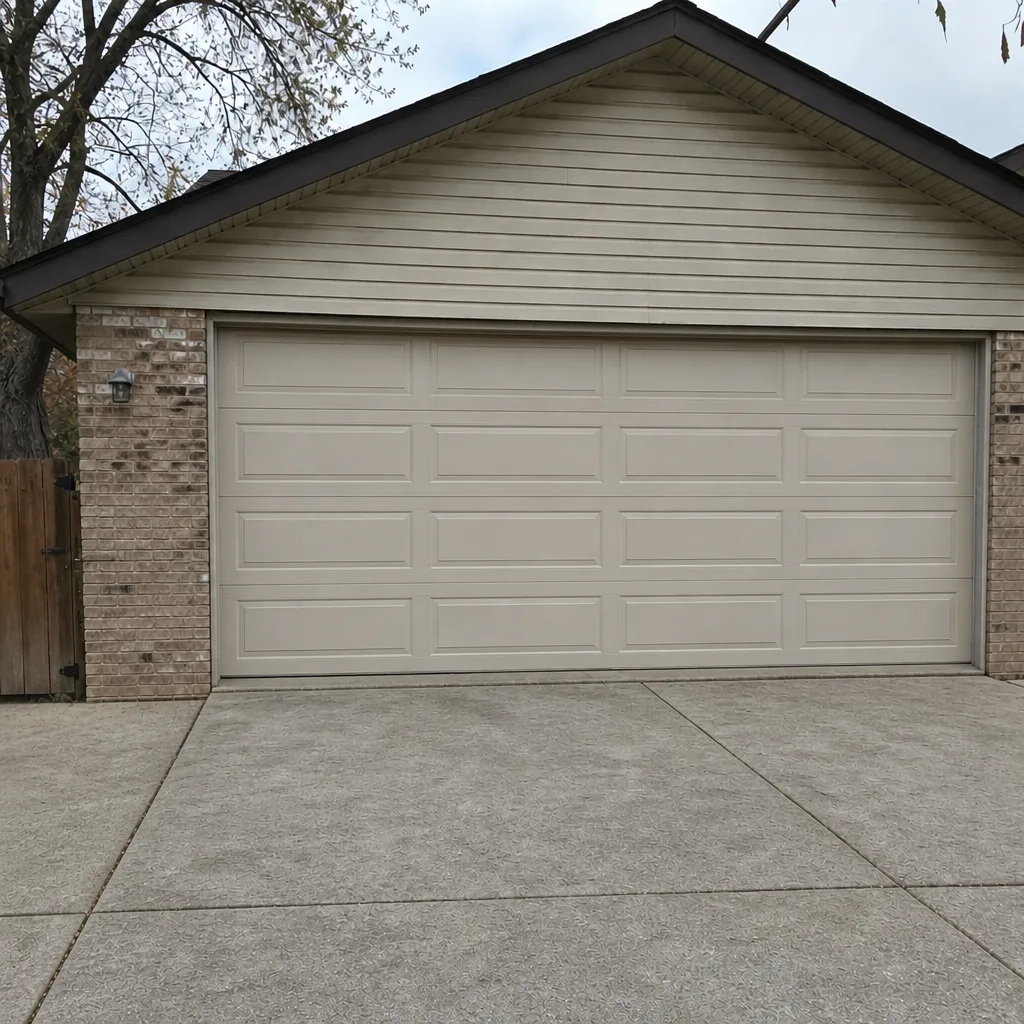 After
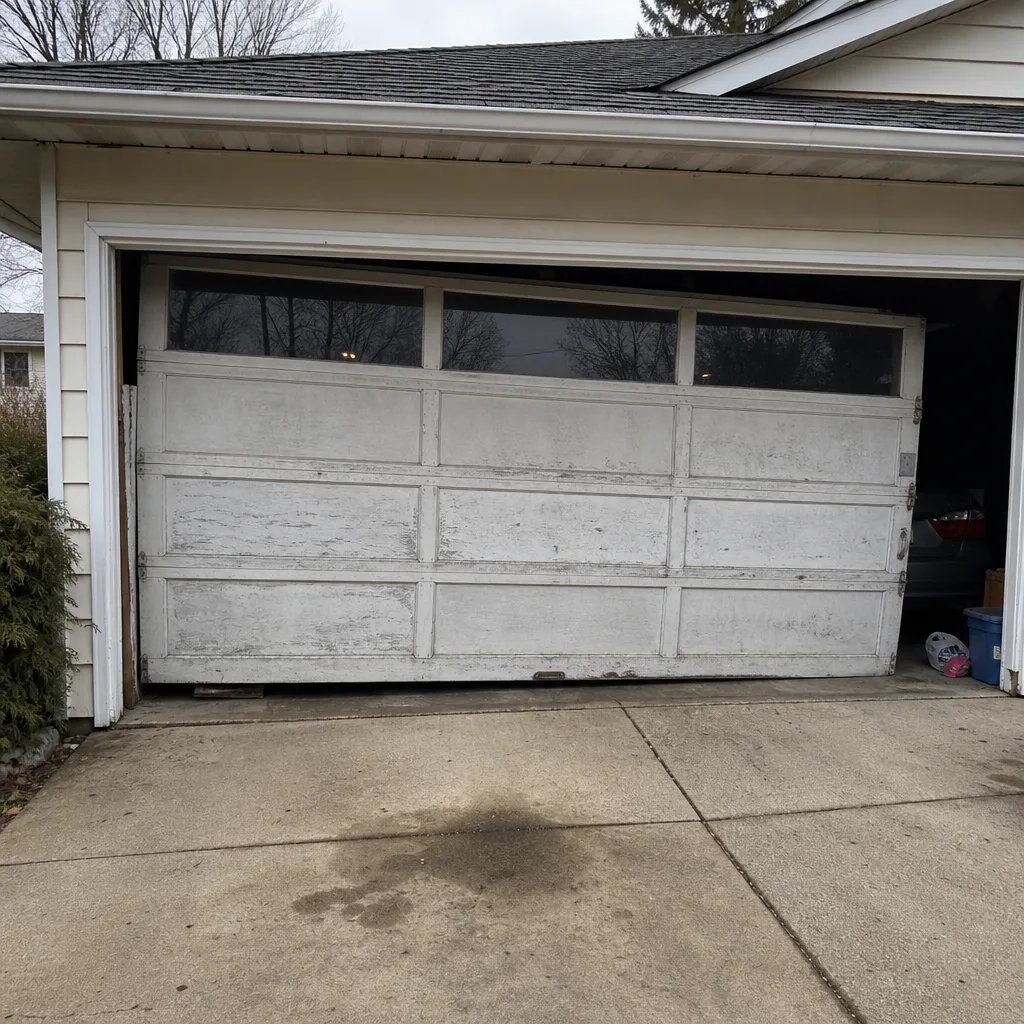 Before
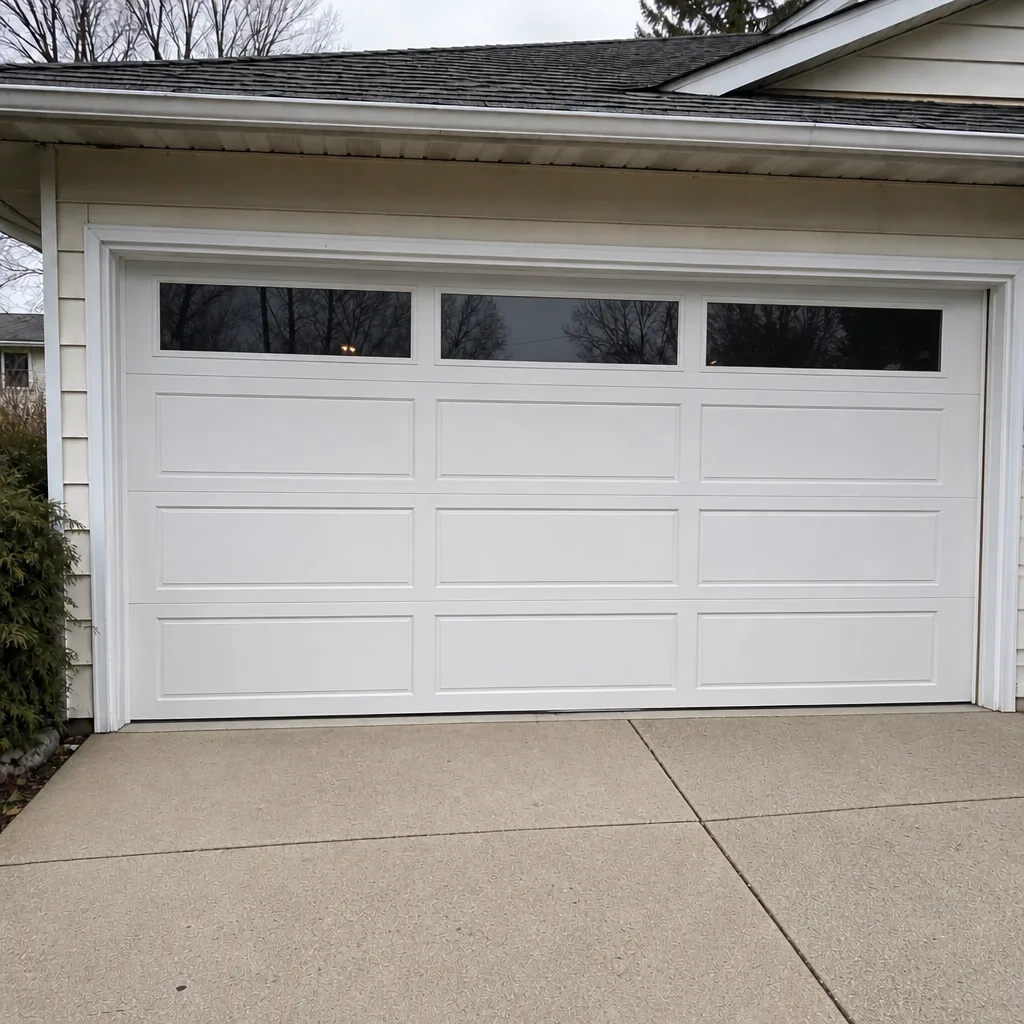 After
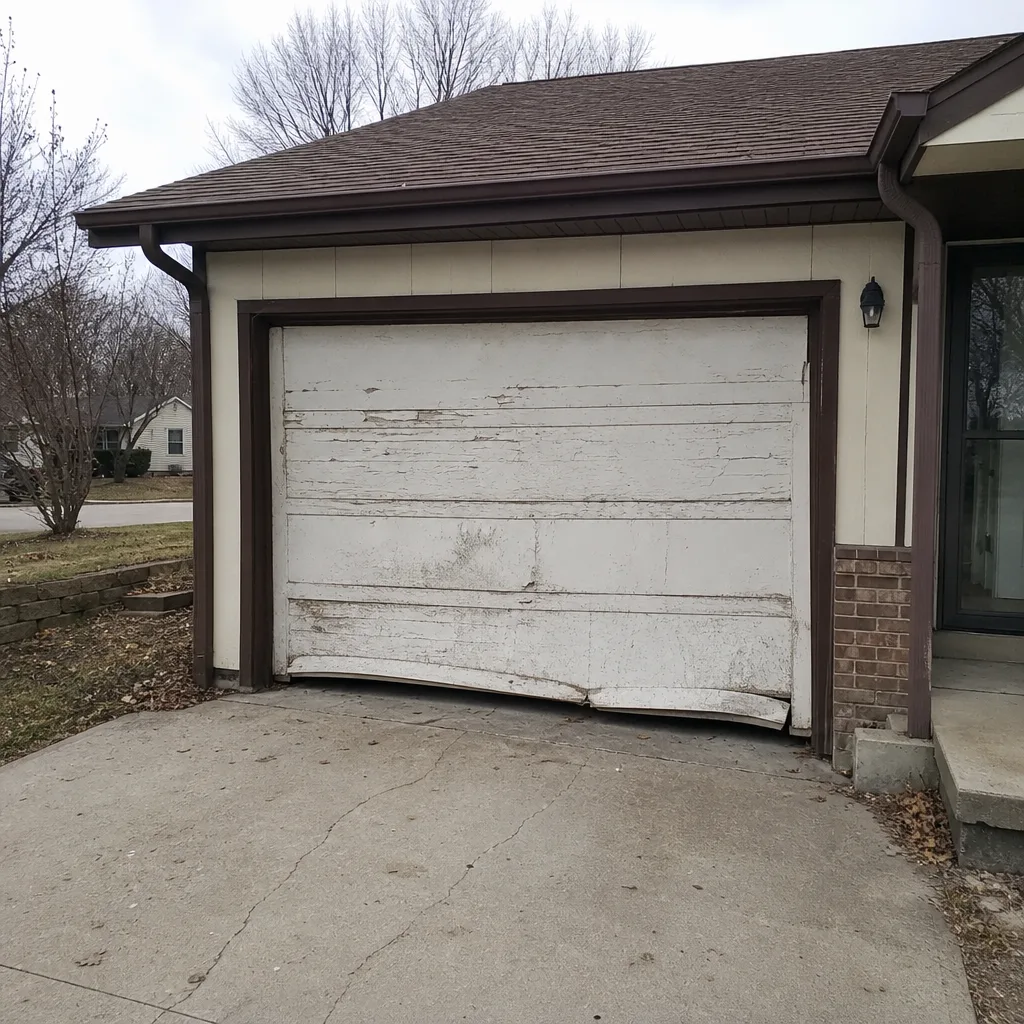 Before
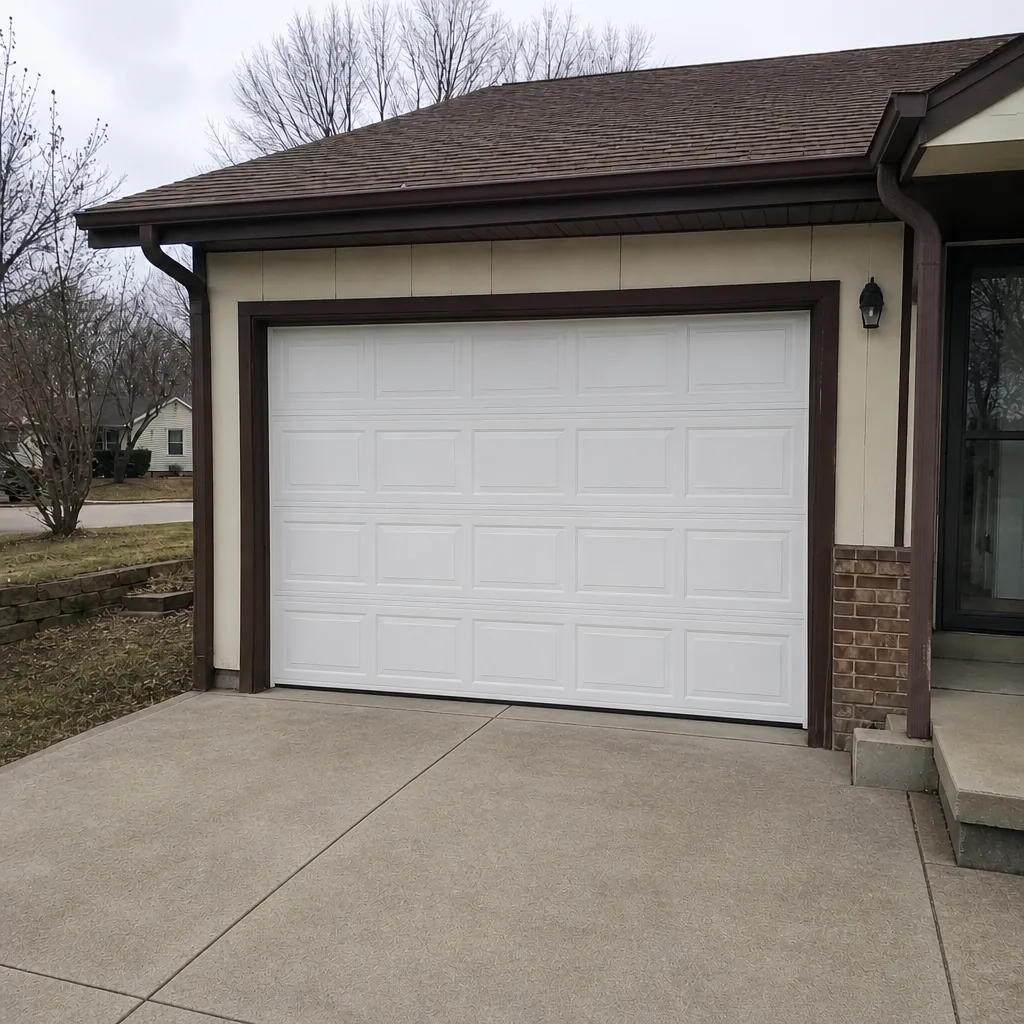 After
When to Call a Professional
Some failures are obvious – a snapped spring, a door off its track, a car trapped inside. Others are quieter: a door that slams at the bottom, a remote that stops reaching from the driveway, or a slight grinding near the top of the lift. These are the warnings worth a call before they turn into an emergency. Bloomington Garage Door Repair Co offers free estimates in Bloomington – call (833) 508-9255. We answer 24/7. Fast dispatch from 7am to 7pm, Sunday through Friday. Our technicians have up to 14 years of experience across the major brands in your garage. A repair or an opener service visit is based on a written estimate agreed before work starts. If the door won’t move, or the home isn’t secured, an emergency visit gets you safe first.
Frequently Asked Questions
Spring replacement is priced per spring, and a matched pair is usually replaced together, so a pair costs roughly twice one spring. Because springs are sized to the door’s actual weight, the exact price depends on what’s installed. We quote it in writing and agree on the price before any work begins. Call (833) 508-9255 for a free estimate.
Yes, same-day service is part of our emergency response. We answer 24/7, dispatch from 7am to 7pm, Sunday through Friday, and we’re closed on Saturday. If the door traps a car or leaves the home open, call right away and we’ll get a technician out to make it safe. Call (833) 508-9255.
The written estimate is the price for the work described in it. If we find something additional that needs to be addressed, we’ll explain it and agree on any change before continuing, rather than surprising you with an invoice at the end. Nothing happens without your approval. Call (833) 508-9255 for a free estimate.
The local professionals we connect you with are licensed and insured as their state requires. Our technicians have up to 14 years of experience and work with the brands already in your garage – LiftMaster, Chamberlain, Genie, Clopay, Amarr, Wayne Dalton, Craftsman, and Raynor. Call (833) 508-9255 to schedule.
Repair is usually right when the damage is limited to a spring, an opener, or one panel. Replacement makes more sense when multiple panels are warped or cracked, or when the hardware is failing across most of the door. A free estimate sorts that out before you commit. Call (833) 508-9255.
Replacing the door itself can require a permit depending on the scope, while repairs to existing hardware usually don’t. Bloomington’s building department is the authority to check, so call them before you order the door. Confirm the requirement with the installer as part of the quote. Call (833) 508-9255 to talk through the plan.
The Bottom Line
A garage door behaves like a system, not a collection of parts. The springs carry the weight, the opener does the guiding, and the door’s weight and hardware have to match both. In Bloomington, the freeze-thaw cycle works on springs, tracks, rollers, and seals in different ways throughout the year, which is why a bit of seasonal attention beats reacting to a mid-winter failure. Read your hardware before you call, run the balance check, confirm the permit requirement for a full replacement, and make the repair-or-replace decision on the door’s actual condition rather than its age. One company that covers repair, opener service, spring work, and full installation means you’re not chasing three contractors for one system. The right fix, explained clearly, done once.
If something on your door needs attention, or you’d just like a straight answer about whether it does, call Bloomington Garage Door Repair Co at (833) 508-9255 for a free estimate. We answer 24/7. Fast dispatch from 7am to 7pm, Sunday through Friday.
Written by the team at Bloomington Garage Door Repair Co.