
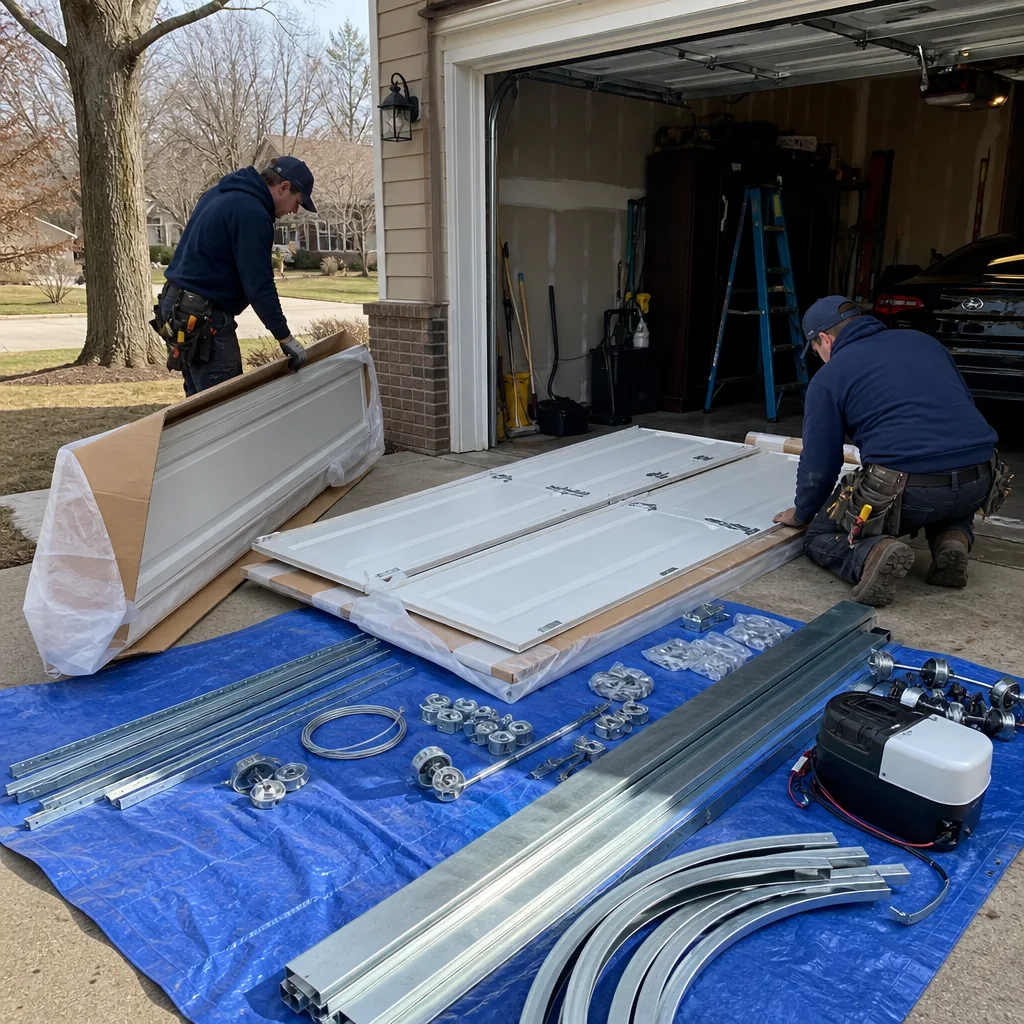
Last updated November 21, 2026
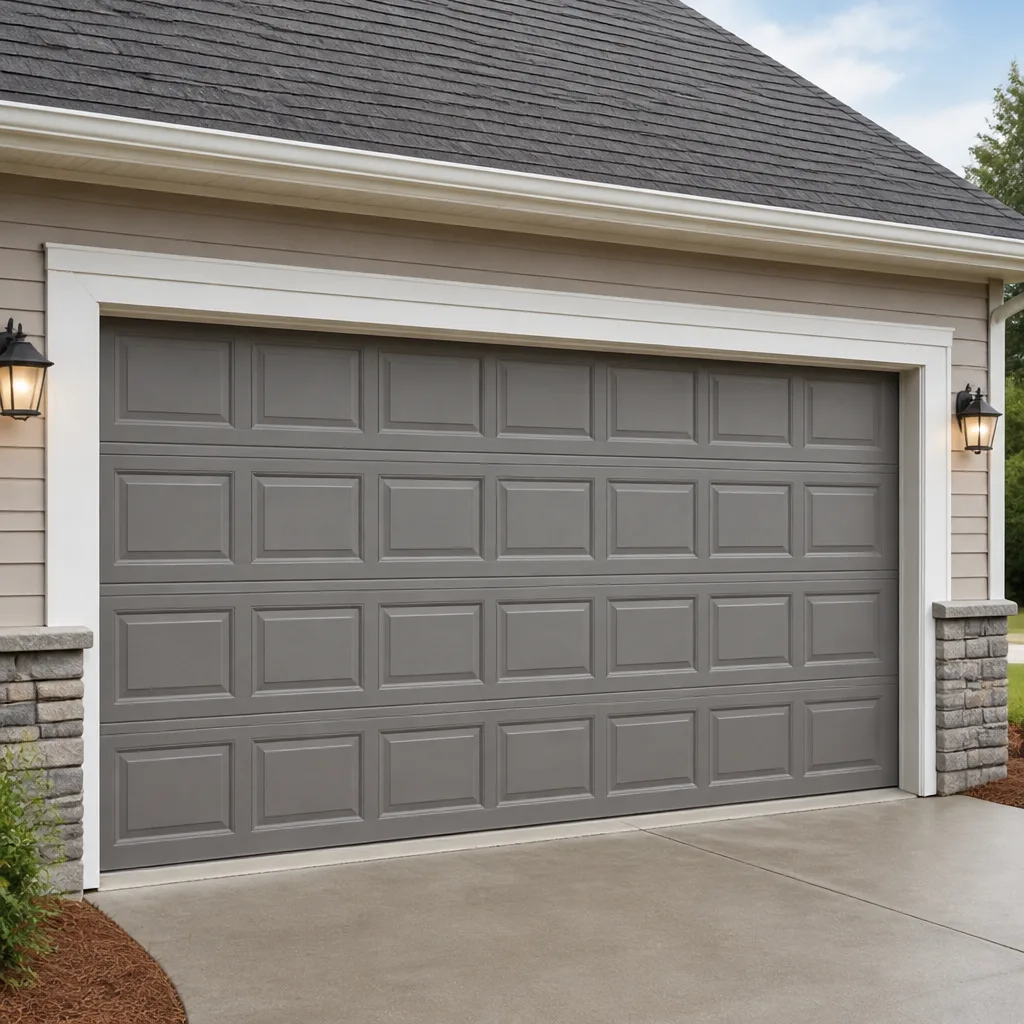 Raised-panel steel
 Carriage house
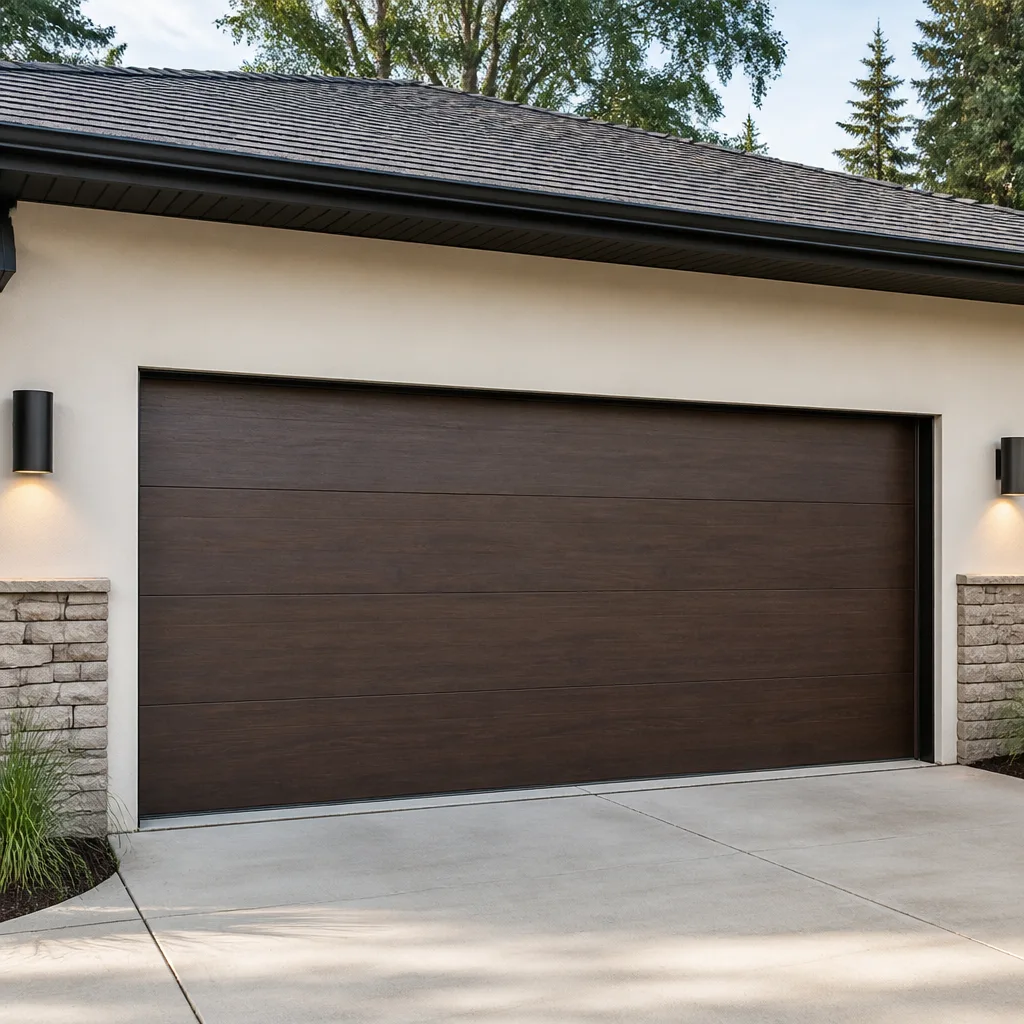 Modern flush
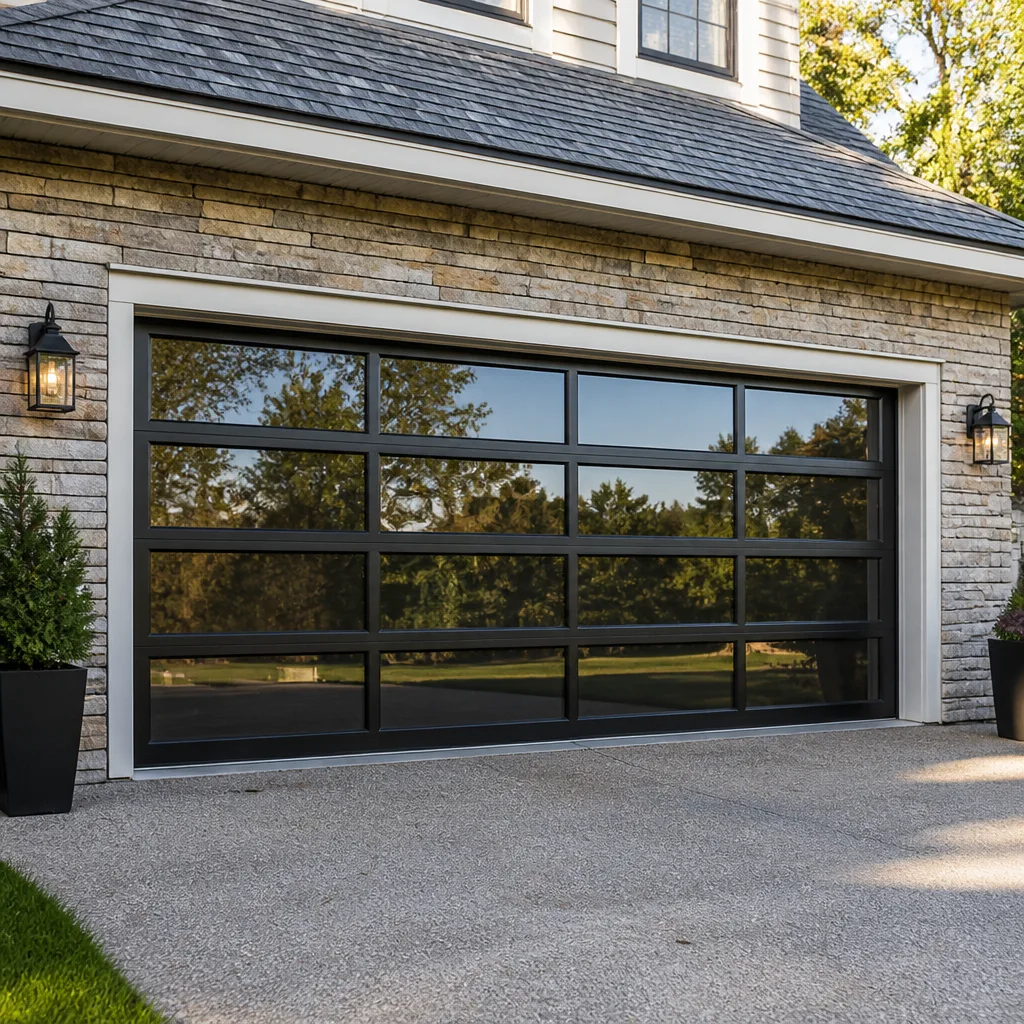 Full-view glass
 LiftMaster openers
 Chamberlain openers
Full 25-point door and opener safety check with every visit - springs, cables, rollers, tracks, and your LiftMaster or Chamberlain opener included
You get a price before we start. It does not change when the pro arrives.
Get your free estimateGarage Door Repair Maintenance Checklist for Bloomington Homeowners
The most common cause of a mid-January garage door failure in Bloomington isn’t a snapped spring. It’s a hinge that got sprayed with WD-40 the previous October, which stripped the factory grease and left bare metal sitting in single-digit cold for three months. Generic checklists say “lubricate the moving parts” and stop there. That advice, followed literally, can do more harm than doing nothing. What follows is a working document: which lubricant goes on which part, which parts to leave alone, how to read a spring’s condition without putting a wrench near it, and a month-by-month calendar built around Bloomington’s actual seasonal shifts rather than a vague four-season model.
Quick Answer
A garage door in Bloomington needs lubrication every four to six months (not yearly), a bottom seal inspection before the first hard freeze, a monthly balance and safety-reverse test, and a visual spring check after any stretch below zero. Weatherstripping and hinges take the most punishment from Minnesota’s freeze-thaw swings, while springs, cables, and the opener’s force settings are the parts that most often need professional attention. Most of the checklist below is safe for any homeowner; a few items are hands-off and we’ll mark them clearly.
Styles & brands we work with
- Raised-panel steel
- Carriage house
- Modern flush
- Full-view glass
- LiftMaster openers
- Chamberlain openers
Table of Contents
- The Right Lubricant for Minnesota Cold
- The Bottom Seal Inspection Almost Everyone Skips
- How to Test Spring Tension Safely, Without Tools
- Which Maintenance Tasks Void Manufacturer Warranties
- A Month-by-Month Maintenance Calendar for Bloomington
- What Different Brands Need (Genie, Clopay, Amarr, Wayne Dalton)
- When to Call a Professional
- Frequently Asked Questions
The Right Lubricant for Minnesota Cold
Garage door lubricant has one job in Bloomington: stay pliable when the temperature drops below what most lubricants are formulated for. The wrong product becomes wax in December, gums up the rollers, and turns a quiet door into something that shrieks loud enough to hear from the kitchen.
Here’s what actually works across a Bloomington winter:
- White lithium grease (aerosol or tube): Good on hinges, roller stems, and the torsion tube bearings. It holds up in cold but attracts dust, so use it sparingly.
- Silicone spray (dry): The right choice for the weather seal, the bottom seal, and any plastic or nylon roller. It won’t freeze and it won’t collect grit.
- Garage door-specific lithium or synthetic spray: Formulated to stay viscous below zero. If the label says “low-temperature” or similar, that’s the one you want for hinges in Bloomington.
And what to avoid:
- WD-40 (the standard blue/yellow can): It’s a solvent and water displacer, not a lubricant. It removes the grease already on the hinge and leaves nothing behind. This is the single most common maintenance mistake we see on doors in this climate.
- Motor oil or 3-in-One household oil: Too thin, runs off in a week, and turns sticky. Fine for a squeaky cabinet hinge. Wrong for a garage door.
- Graphite powder: Works for locks. On garage door moving parts it migrates onto the tracks and paint and creates a mess that’s hard to clean.
Apply lubricant on hinges at the pivot points only, not the flat plate. On rollers, put a small amount on the metal stem where it enters the hinge, not on the roller wheel itself. Never spray anything onto the torsion spring or cables. A little goes a long way; a hinge doesn’t need a coat, just a bead at the joint.
The Bottom Seal Inspection Almost Everyone Skips
The bottom seal (also called the astragal or bottom weatherstrip) is the rubber or vinyl strip along the lowest edge of the door. Almost no homeowner checks it until there’s a problem, and by then the problem is usually ice. When the seal hardens or cracks, it stops making contact with the floor. Water pools under the gap, freezes overnight, and bonds the door to the concrete. That’s the February 7 a.m. moment when the opener runs but the door doesn’t budge.
How to inspect it properly:
- Close the door fully. Stand inside and look along the bottom edge with a flashlight. Any visible gap means the seal has compressed or torn.
- Press the seal with your thumb. It should feel like a new rubber shoe sole, not like hard plastic. If it’s stiff, cold will make it worse.
- Run a finger along the bottom where it meets the floor, inside and outside. Grit, salt residue, and small debris caught there prevent a clean seal and should be brushed away.
- Look for cracks at the corners where the seal bends sharply. A split starting at a corner will propagate the whole length within a season.
If the seal is stiff but intact, a silicone-conditioning spray (the same dry silicone you’d use on other rubber parts) can restore some flexibility. If it’s cracked, torn, or has visible gaps against the floor, it needs replacement. A new bottom seal is one of the least expensive parts to fix and the most expensive to ignore. Ice intrusion during a Bloomington cold snap can damage the opener’s logic board and, in serious cases, tear the bottom panel.
How to Test Spring Tension Safely, Without Tools
We need to say this plainly before going further: do not adjust, remove, or put a wrench on torsion springs or cables. These parts are under extreme tension. A torsion spring on a standard residential door holds enough rotational force to cause serious injury. Disassembly is a job for a person trained to do it, full stop. This section is a condition check, not a repair guide.
What you can safely do is observe. Springs don’t fail without warning signs, and the signs are visible if you know where to look.
The manual lift test:
- Disconnect the opener by pulling the red release cord so the door is on manual.
- Lift the door halfway and let go. A healthy door should hold roughly in place. If it drops fast, tension is insufficient (or the door is unbalanced). If it wants to rise, tension is too high.
- Do this slowly, standing clear of the door’s path. Don’t put hands or fingers near the hinges or tracks during the test.
- Reconnect the opener when done.
What the result tells you:
- A door that won’t stay at halfway, or falls, is unbalanced. That points to weakened springs or a problem in the torsion system, and it means the opener is doing work it wasn’t designed to do. Expect accelerated opener wear if left alone.
- A door that rises on its own has too much tension. This can be an installation issue or a sign of a spring that’s failed in a way that stacked the remaining coils. Either way, have it checked.
- A door that balances well but sounds loud, jerky, or heavy to lift is often fine on springs and short on lubrication, or has a roller starting to seize.
Visually, look at the torsion spring above the door with the door closed. If you see a visible gap between coils (more than the natural spacing) or notice the door’s weight feels different in cold versus mild weather, that’s a sign of a spring approaching the end of its service life. Springs are wear items. A quality torsion spring on a standard door typically lasts several years of regular use, and the freeze-thaw cycling Bloomington springs go through doesn’t shorten that lifespan as much as people assume. Heat cycles inside a heated garage do matter, so a detached, unheated garage is usually gentler on springs than a heated attached one. When the door does go heavy or bang, that’s when it’s time for garage door spring repair. Our technicians have up to 14 years of experience working these torsion systems, and we won’t touch yours without having eyes on it first.
Which Maintenance Tasks Void Manufacturer Warranties
Most residential garage door warranties from manufacturers like Clopay, Amarr, and Wayne Dalton (as well as opener makers like Genie and LiftMaster) have a mix of explicit and implied coverage. Sending a warranty claim through when the problem was caused by improper maintenance is a waste of everyone’s time.
Tasks that can unintentionally void coverage:
- Oiling or greasing the tracks. Tracks are meant to be clean and dry. Lubricant catches grit, the rollers start to bind, and if the track is damaged from the resulting stress, the warranty on that component may be denied. Use a damp cloth, not a rag soaked in oil.
- Using the wrong lubricant on hinges and rollers. WD-40 and household oils strip factory grease and can cause premature wear that falls outside warranty coverage.
- Adjusting the opener’s force limits and travel limits. Modern openers track and store force values. If you raise the limits to compensate for a hard-running door, you’re hiding a mechanical problem and potentially voiding the opener warranty when a failure occurs.
- Painting or refinishing a door without following the manufacturer’s spec. Clopay and Amarr, for instance, publish specific requirements for paint prep and, on steel doors, require the door to be thoroughly cleaned before any coating. Skipping those steps can void the finish warranty and lead to blistering.
- Replacing hardware with unapproved parts. Hinges and rollers have load ratings. Swapping in a cheaper hinge that’s not rated for your door’s weight can stress the panel and, in some cases, void coverage on the panel itself.
- Doing your own spring, cable, or bottom-bracket work. Beyond the safety risk, any warranty claim on those components after DIY work is going to be contested. Leave these to trained hands.
Keep the owner’s manual. If you’re not sure whether a task is within warranty terms, call us and we’ll tell you before you pick up a tool. We work on the brand already in your garage, and we can give you a clear answer without trying to sell you something you don’t need.
A Month-by-Month Maintenance Calendar for Bloomington
Generic “spring / summer / fall / winter” checklists miss the point. Bloomington’s transitions are specific: the first hard freeze typically lands in November, the January thaw is real, and the freeze-thaw cycles of March and April do more damage than the coldest week of the year. Here’s a calendar that follows the actual seasons.
September – October: Prep for cold.
- Lubricate hinges, rollers, and torsion bearings with cold-rated lubricant (see section above).
- Inspect the bottom seal for stiffness or cracks. Replace now, not in January.
- Test the safety reverse with an object under the door.
- Wipe down the tracks with a dry cloth. Do not oil them.
November – December: First freeze check.
- After the first stretch of nights below freezing, run the door up and down a few times. Listen for new noises or hesitation.
- Check the bottom seal again for ice bonding where the door meets the floor. Break up any ice carefully; do not force the door.
- If the door feels heavier than it did in September, that’s a balance problem, not just cold weather. Have it checked. For anything that needs attention right away, our garage door repair service covers Bloomington and we’re staffed to move on urgent problems.
January – February: The hard stretch.
- Visual spring check (see section on spring testing) after any spell below zero.
- Listen for new squeaks or grinding. Any new sound is a sign of something shifted in the cold.
- Keep the bottom seal clear of snow and ice. A broom and a plastic scraper only.
March – April: Thaw and reset.
- This is the month to book a service check. Freeze-thaw has stressed the springs, seal, and opener over four months.
- Look for water intrusion at the bottom seal contact point.
- Lubricate again. Cold-season grease has thinned out.
May – June: Full inspection.
- Test balance and safety reverse.
- Check the rollers for flat spots or visible bearing wear.
- Inspect the opener’s chain or belt for slack. Have it serviced if you’re not sure what you’re looking at. Our garage door opener repair service covers Genie, LiftMaster, Chamberlain, and Craftsman units, and we diagnose the actual model, not a generic guess.
July – August: Paint and finish touch-ups.
- Check painted steel doors for bubbling or peeling. Follow manufacturer prep specs before repainting.
- Clean the photo-eye lenses on the opener with a soft cloth.
What Different Brands Need (Genie, Clopay, Amarr, Wayne Dalton)
Brand-specific maintenance varies more than most guides admit. We service equipment from a full list of nameplates, and a few general patterns are worth knowing.
Clopay and Amarr (steel and composite doors): These manufacturers publish detailed care guides and matter for the finish warranty. Prep the door thoroughly before any repaint. On a Bloomington door, road salt tracked in on the car’s tires can end up on the bottom panel; rinse it off with plain water and a soft brush before it bonds. Clopay and Amarr both specify that hardware and finish should be inspected periodically, so keep the manuals.
Wayne Dalton (steel doors with torsion systems): Their torsion systems are generally robust but respond well to scheduled lubrication of the torsion tube bearings. On Wayne Dalton doors specifically, the safety-reverse test is worth doing monthly because the door is often heavier than it looks and force settings on the opener shouldn’t be used to compensate.
Genie (openers): Genie openers range from screw-drive models to belt-drive units. Belt-drive needs almost no lubrication; screw-drive does and shouldn’t be ignored. The force limits on Genie units are programmable, and if you’re tempted to raise them to get a hard-running door to close, don’t. That’s a signal the door needs mechanical attention, not a software fix.
Our technicians have seen all of these through years of Bloomington winters. If you’re not sure what you have, look at the sticker inside the door panel or on the opener housing. The model number is there. What the brand means for maintenance is something we can walk you through in a phone call.
See the difference
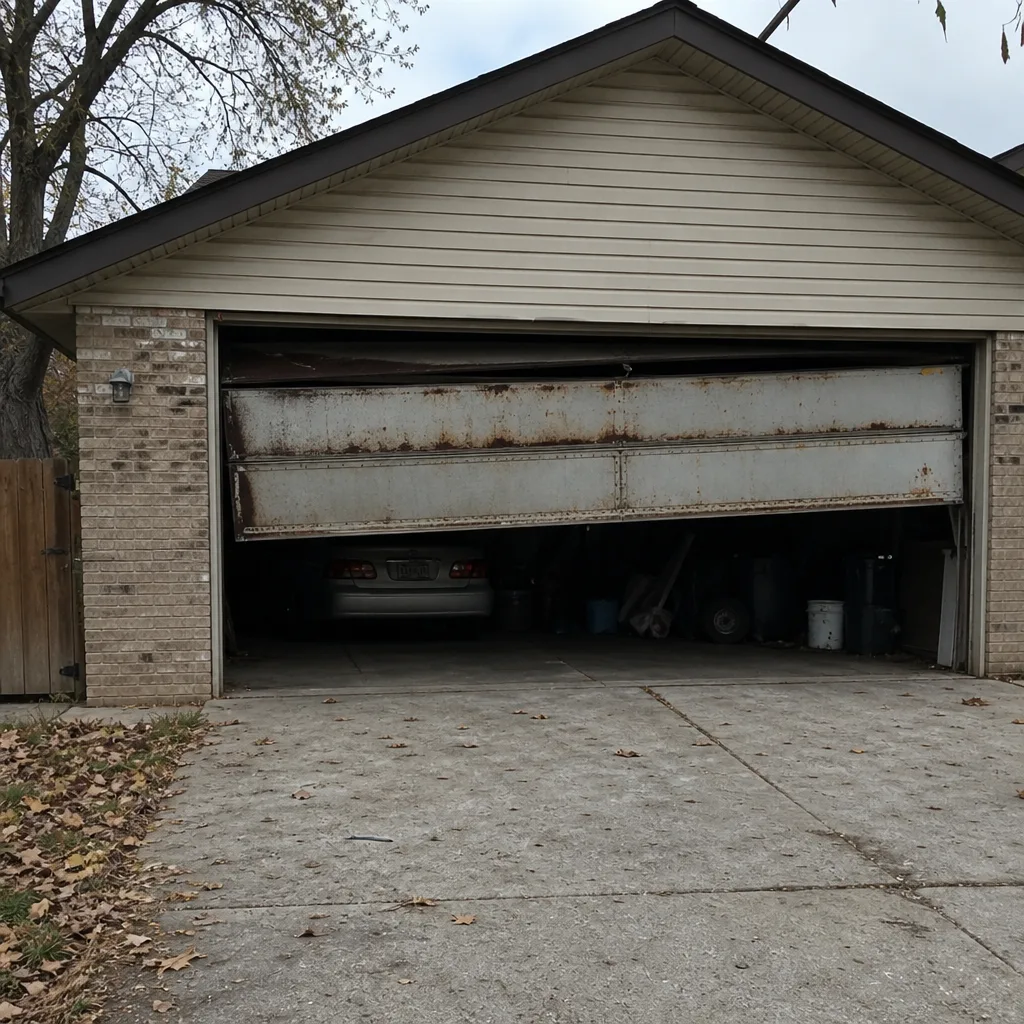 Before
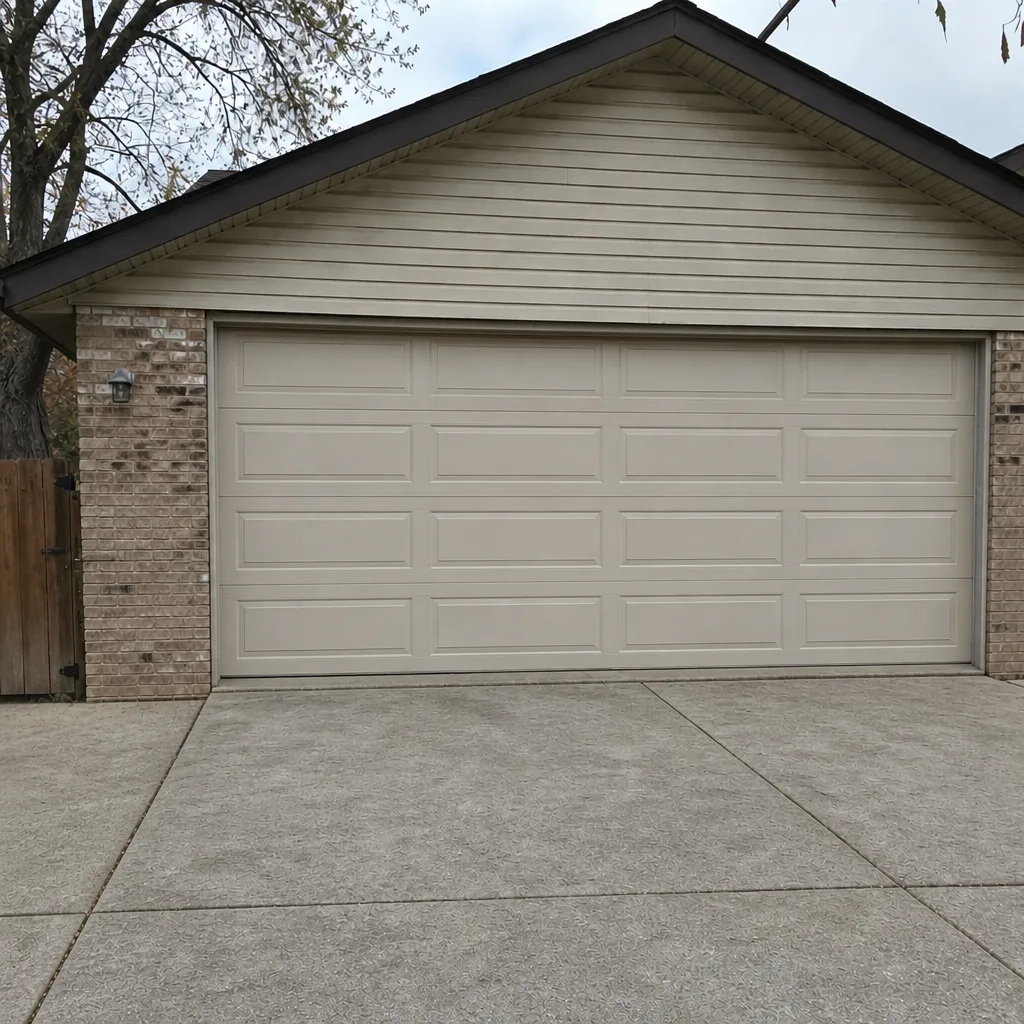 After
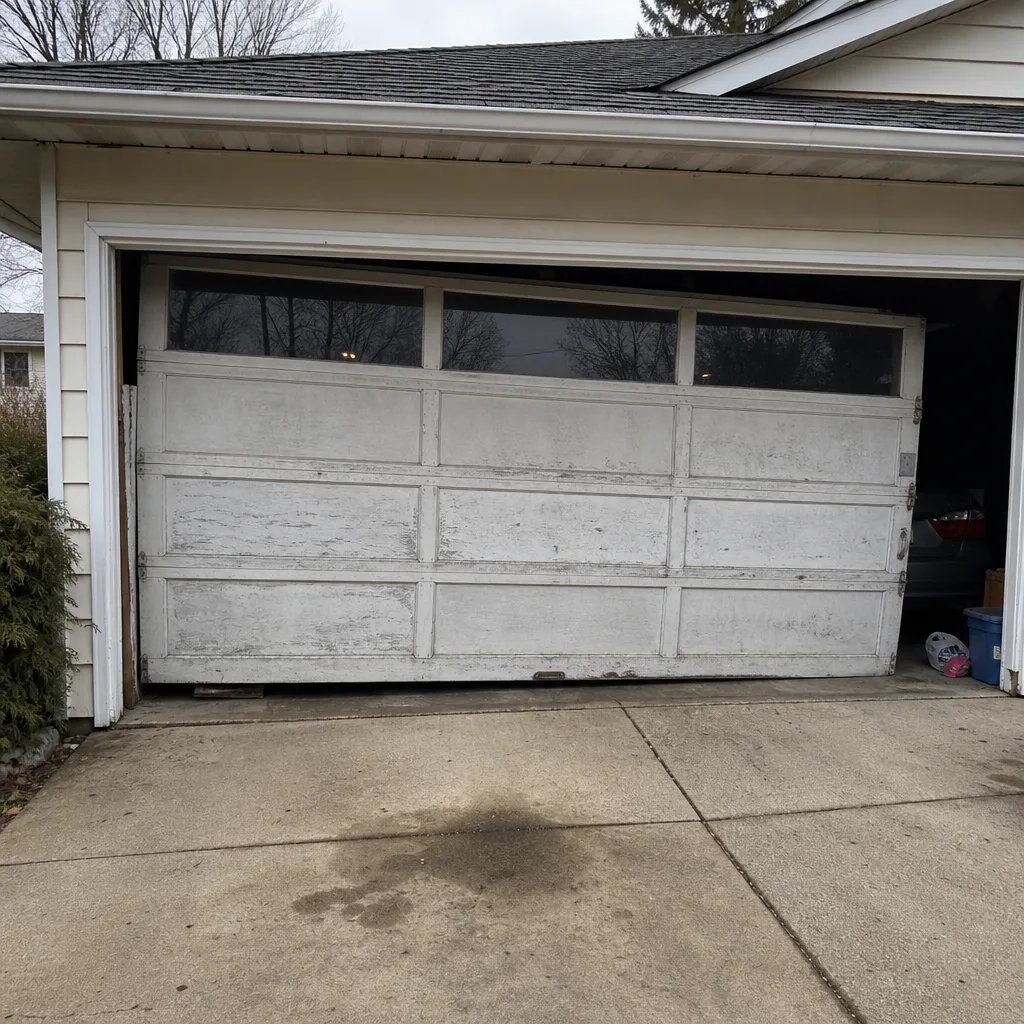 Before
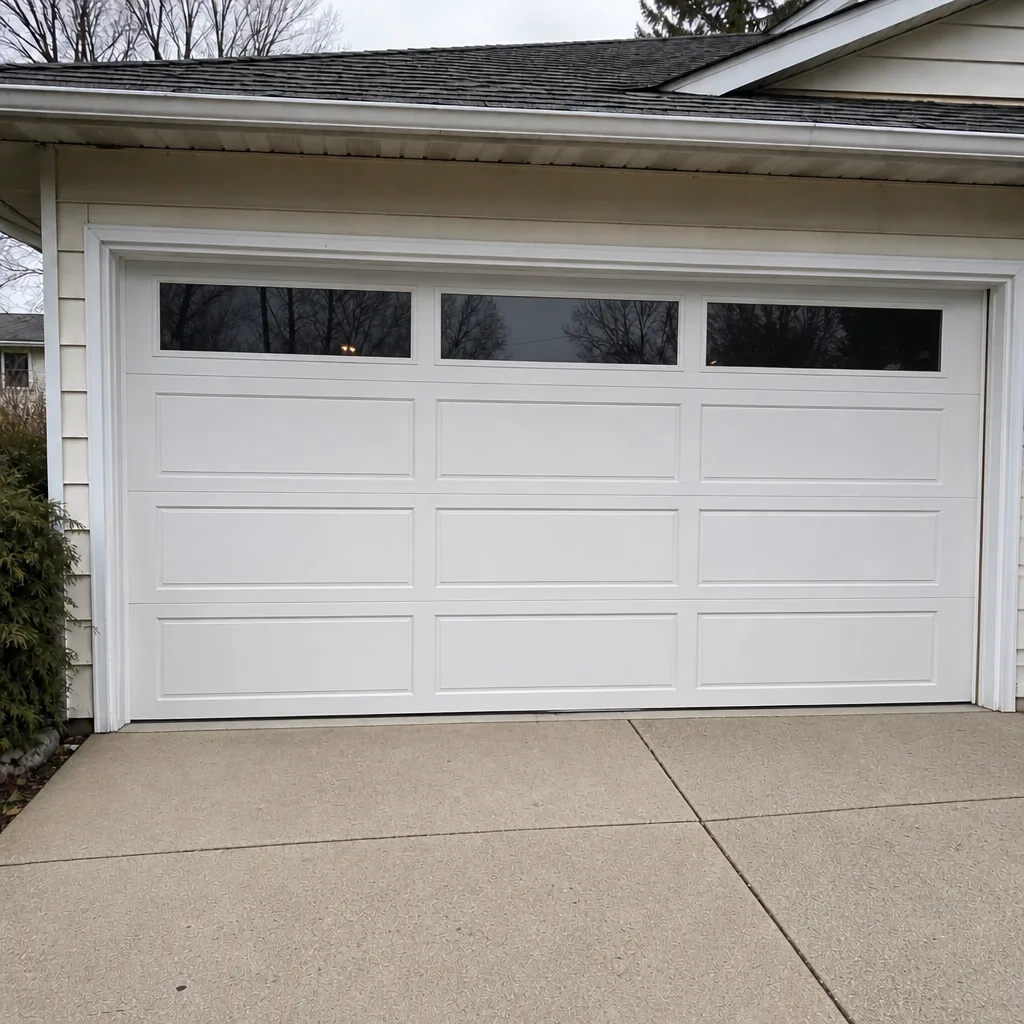 After
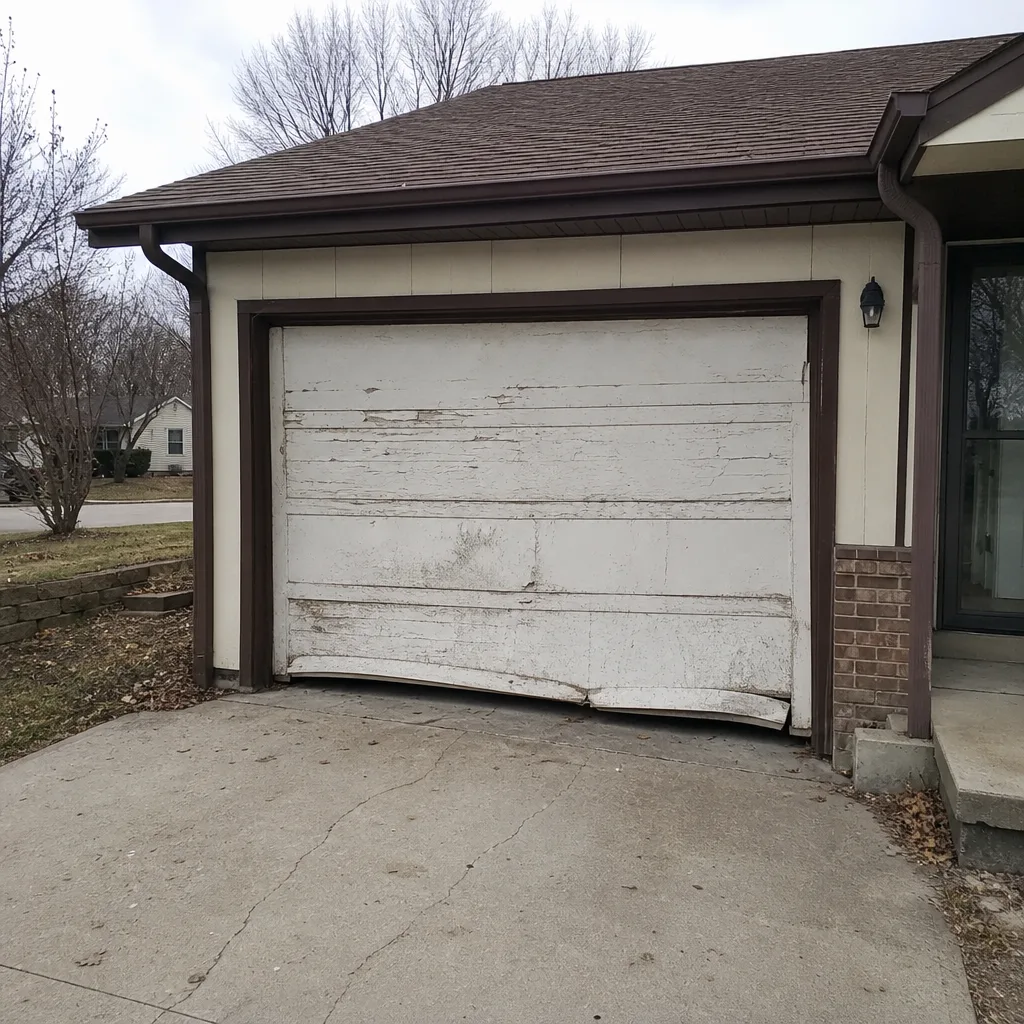 Before
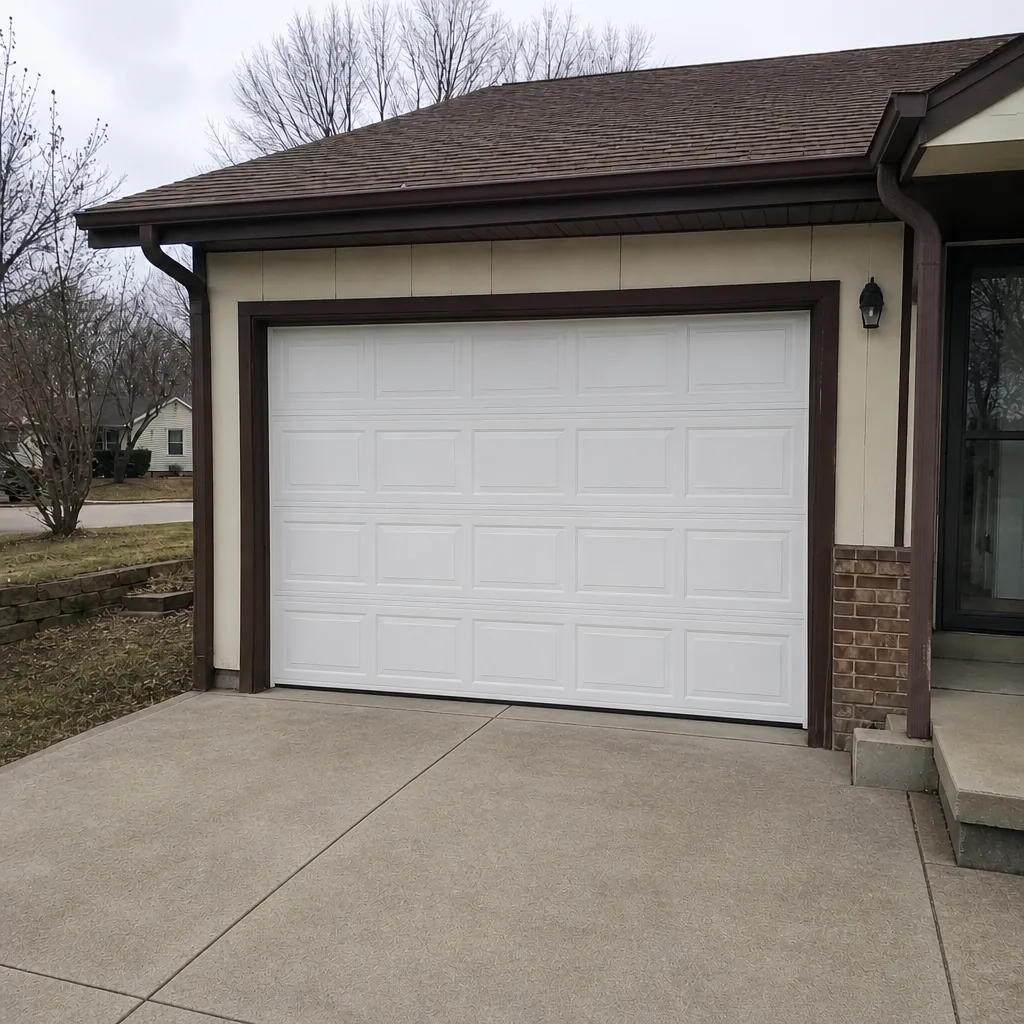 After
Common Mistakes to Avoid
- Using WD-40 as a lubricant. It’s not one. In Bloomington cold it strips what little factory grease is left on a hinge and leaves bare metal that will fail before spring. Use white lithium or a garage door-specific low-temp spray instead.
- Oiling the tracks. Tracks need to be clean and dry. Grease in a track collects grit, the rollers skid instead of rolling, and you’ll see wobble within a season.
- Skipping the bottom seal until the door freezes shut. A frozen bottom seal is a February emergency. Check it in October, not January.
- Adjusting the opener’s force limits to hide a heavy door. If the door needs more force to close than it did last month, something mechanical has changed. Adjusting the opener hides the symptom and can void the warranty.
- Ignoring new noises. A garage door is a mechanical system and it doesn’t produce new sounds for no reason. A new squeak, grind, or pop is the system asking for attention. It’s cheaper to answer in September than in a January cold snap.
- Assuming a balanced-looking door means good springs. A spring can be near failure and the door will still operate. Visual coil inspection and a fresh listen go further than appearance alone.
- Repainting without prep after a Minnesota winter. Salt, grit, and freeze-thaw all work against the finish. Painting over a poorly prepared surface traps moisture and peels faster than the original finish did.
When to Call a Professional
Most of the checklist above is safe and useful for any homeowner. A few situations genuinely need a trained hand. Call us if the door is unbalanced or drops fast during the manual lift test, if you see a gap between torsion spring coils or hear a bang when the door runs, if the bottom seal is cracked and the door is binding to the floor, if the opener reverses erratically or won’t respond to the remote, if the door has come off a track or a cable has visibly slackened, or if the door has stopped responding entirely and you can’t get a car out. The same people who handle routine service handle emergency situations when a door leaves a home open. Bloomington Garage Door Repair Co offers free estimates in Bloomington. Call (833) 508-9255. We answer 24/7. Fast dispatch from 7am to 7pm, Sunday through Friday. Any price is quoted and agreed before any work starts, and the written estimate sets the final number.
Frequently Asked Questions
Every four to six months is the right schedule for Bloomington’s cold season, not once a year. The cold-rated lubricant on hinges and rollers thins out through winter and needs refreshing in fall, again in spring after the freeze-thaw stretch, and ideally once mid-summer. If your garage is detached and unheated, twice a year is usually enough. If it’s heated and you’re in and out of it every day, do three applications. Call (833) 508-9255 for a quote if you’d rather have it done as part of a service call. Estimates are free.
No. WD-40 is a solvent and water displacer, not a long-term lubricant. It strips existing grease and evaporates, leaving bare metal that will corrode and squeal faster in cold. It’s the most common reason we see garage doors fail in the cold in Bloomington. Use white lithium grease or a low-temperature garage door-specific spray instead. If the door has already been stripped by WD-40 and sounds worse than before, call us. Estimates are free.
No. Torsion springs are under extreme tension, and adjusting or removing them without the right training and tools can cause serious injury. This is a professional repair, full stop. We offer spring repair as a dedicated service for that reason. If you think a spring is failing, call (833) 508-9255 and we’ll assess it. Estimates are free and the price is set before any work starts.
Three signs usually show up before a spring fails: the door feels heavy or drops fast when lifted halfway by hand, a visible gap appears between spring coils, or the door has become noticeably harder to lift than it was a few months ago. Any one of those is worth a professional look. In Bloomington, we typically see these signals build up over a winter and show clearly by March. Call (833) 508-9255 for a free estimate.
Water gets under the bottom seal where it doesn’t make clean contact with the floor, then freezes and bonds the door down. A stiff or cracked seal is almost always the root cause. Replace the seal before winter, keep the bottom edge clear of ice and snow through the cold months, and de-ice carefully with a plastic scraper only. If the seal has torn or the bottom panel has been damaged by ice, call us. Estimates are free.
It depends on the spring’s age and how the failure occurred. Most residential warranties cover springs for a limited period and exclude failures tied to improper lubrication, unbalanced force settings, or DIY work. If a spring failure is imminent or has already happened, call (833) 508-9255 and we’ll explain whether it’s a warranty situation or a repair. Estimates are free.
Yes, mostly because of the temperature swing cycle. Our doors go from heat-soaked sunny afternoons to below-zero nights inside the same week. That cycling stresses the bottom seal, the hinges, and the torsion bearings more than a mild climate would. Following the month-by-month calendar above for Bloomington is enough to stay ahead of it in most cases. Call (833) 508-9255 if you’d like us to come out and do the checklist instead.
If a car is trapped inside or the house is left unsecured, that’s an emergency call. Call (833) 508-9255. We answer 24/7. Fast dispatch from 7am to 7pm, Sunday through Friday. A call outside dispatch hours is booked into the next opening, Sunday through Friday, 7am to 7pm. An estimate is free and the price is quoted before any work begins.
The Bottom Line
A garage door in Bloomington stays reliable with surprisingly little work, but the work that matters is specific. Use the right lubricant and avoid the common one. Check the bottom seal in October, not February. Read spring condition with the manual lift test and visual coil check rather than a wrench. Follow the month-by-month calendar instead of a vague seasonal one. And don’t adjust the opener’s force settings to hide a door that’s gotten hard to move. Most of this you can do yourself. The parts you shouldn’t touch, we’re set up to handle. If it’s time for a hand, we’re here as Bloomington Garage Door Repair Co: one call covers repair, opener service, spring replacement, and new installation, and the written estimate is the price you pay.
Written by the team at Bloomington Garage Door Repair Co.