
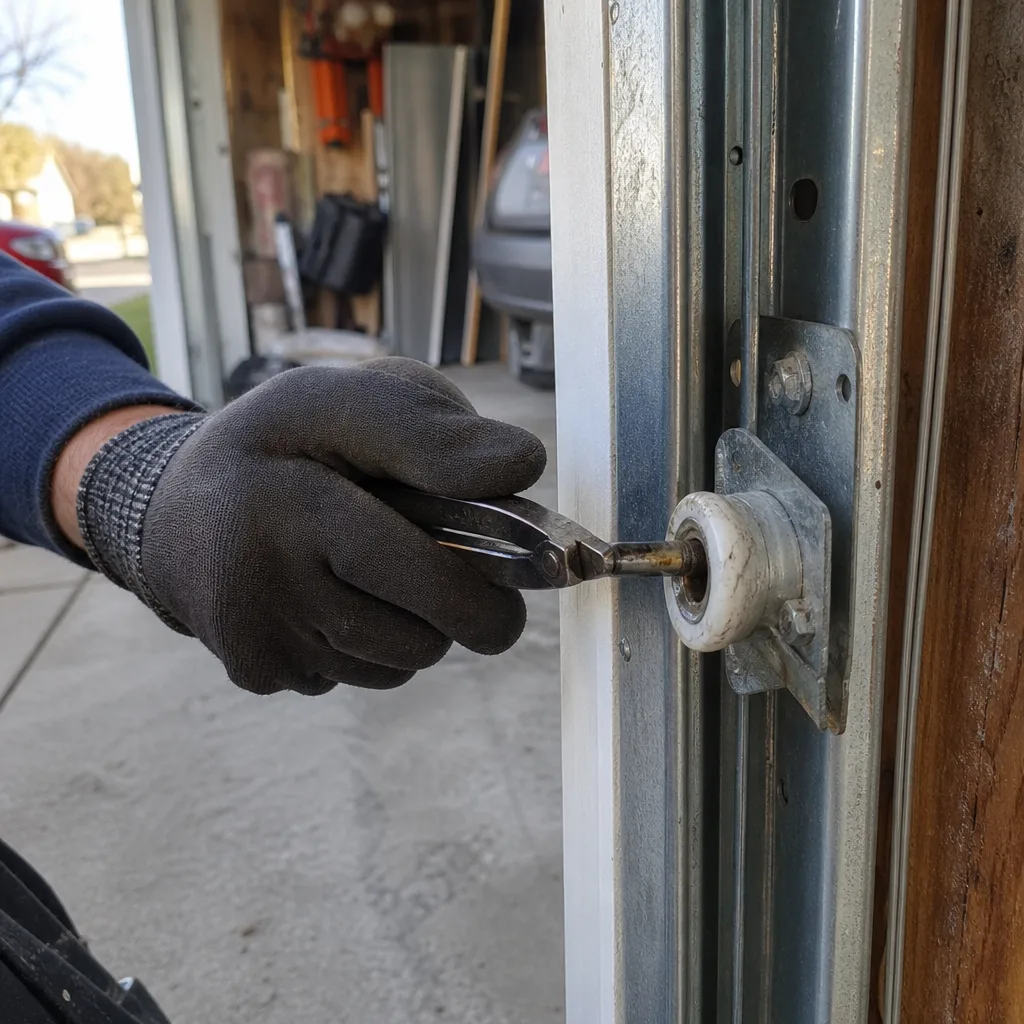
Last updated November 21, 2026
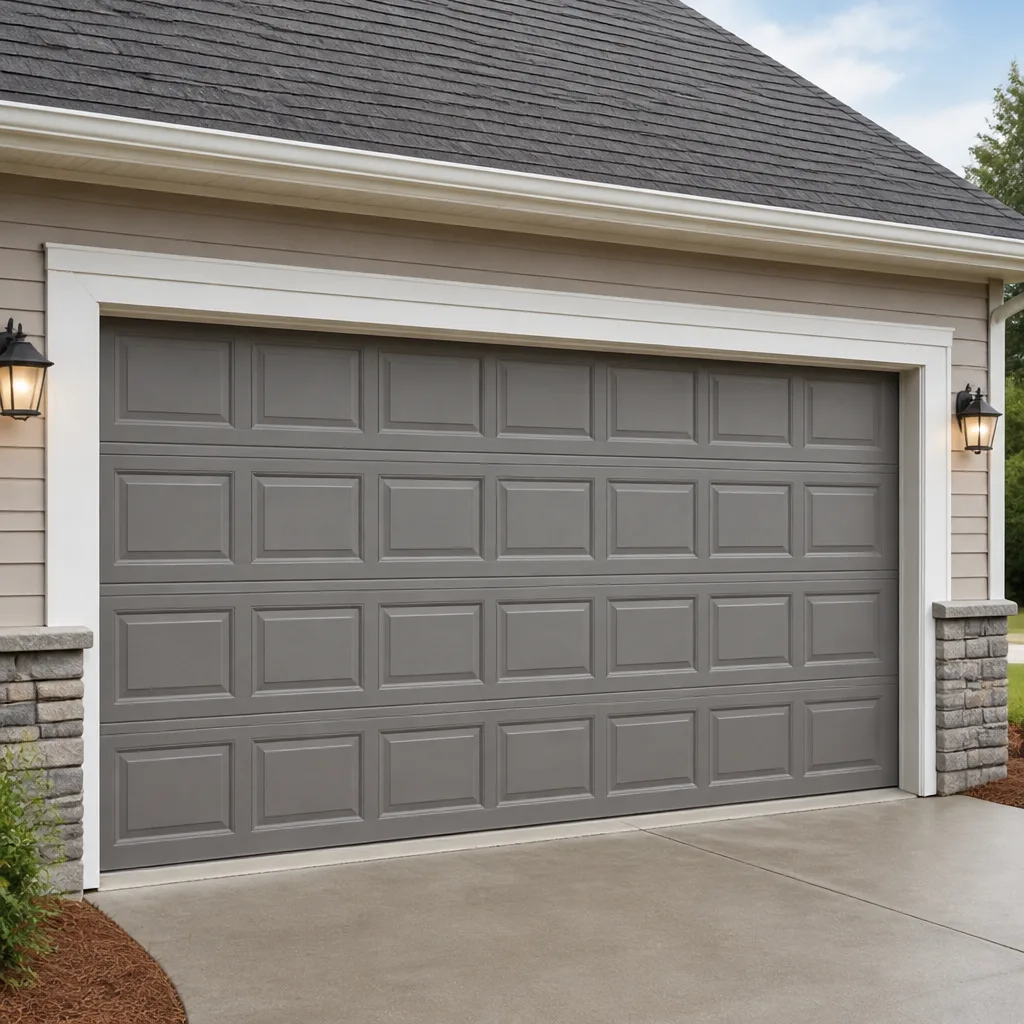 Raised-panel steel
 Carriage house
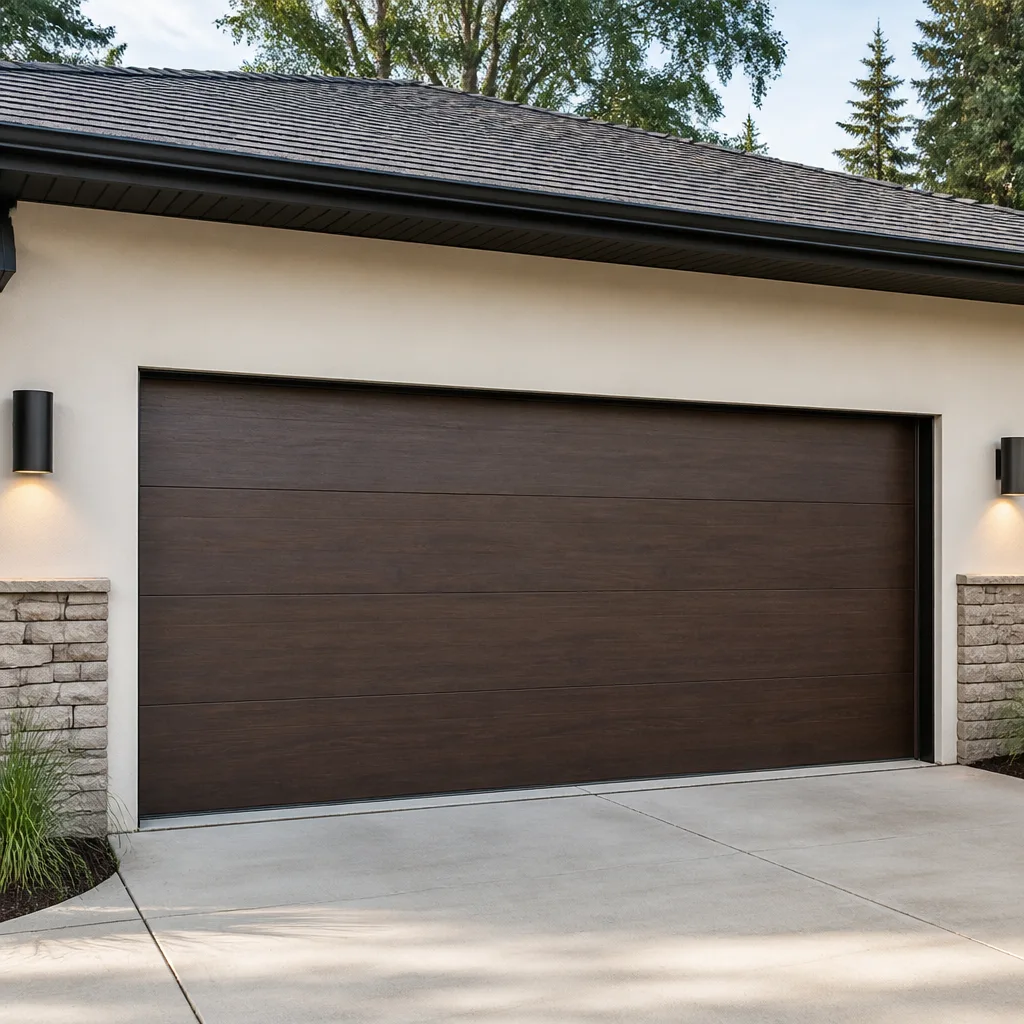 Modern flush
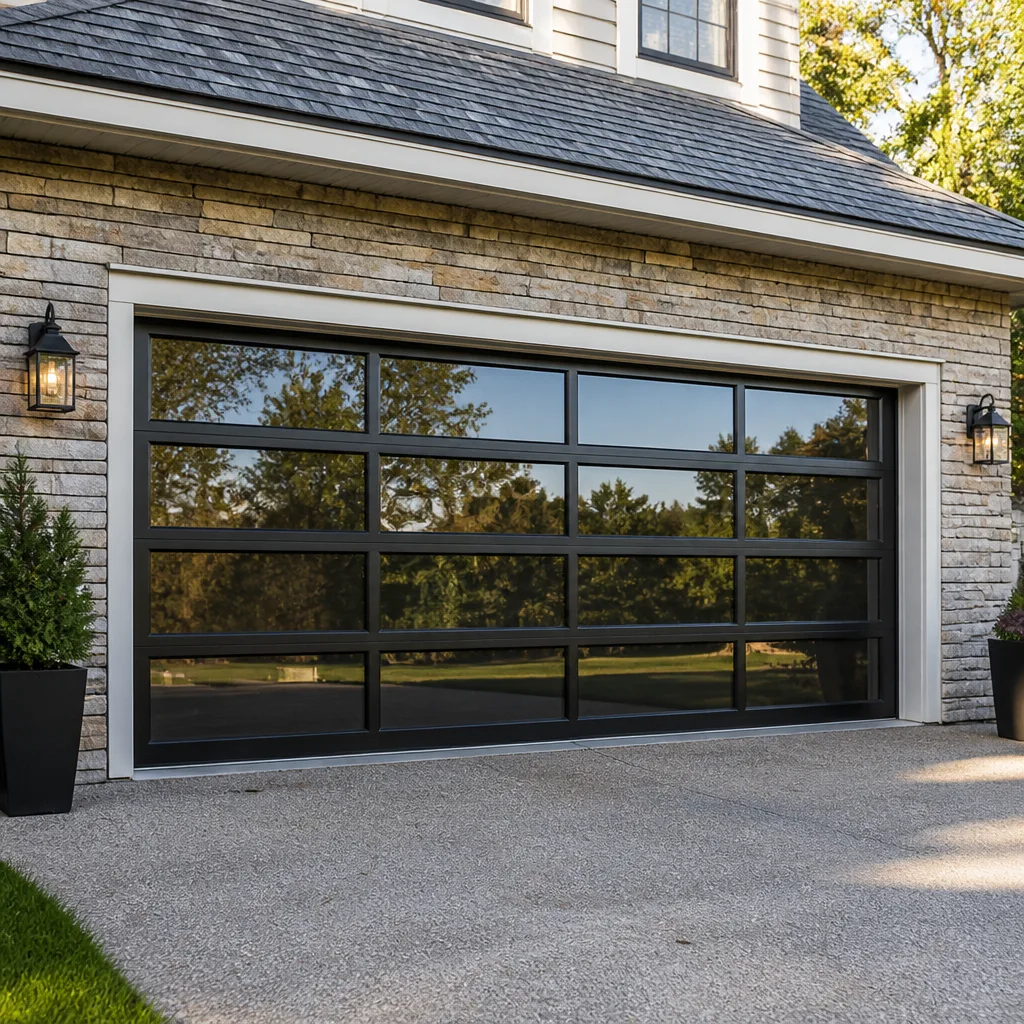 Full-view glass
 LiftMaster openers
 Chamberlain openers
Full 25-point door and opener safety check with every visit - springs, cables, rollers, tracks, and your LiftMaster or Chamberlain opener included
You get a price before we start. It does not change when the pro arrives.
Get your free estimateDIY vs Professional Garage Door: The Bloomington Homeowner’s Decision Guide
Most homeowners think the DIY question is about skill. It isn’t. It’s about risk profiles. Some garage door tasks are genuinely manageable for a careful homeowner with the right tools, and some are documented injury categories that no written guide can make safe. The line between them is sharper than most advice suggests, and it shifts with the season in Bloomington. A job that’s awkward but doable in September can turn hazardous in January, not because you got less capable but because the conditions changed. This guide draws that line task by task, so you know what to handle yourself, what to leave alone, and how to read your door’s condition before you decide.
Quick Answer
Most garage door maintenance is safe to do yourself: lubricating moving parts, tightening visible bolts, and cleaning the tracks. Anything involving torsion springs, cables under tension, or the counterbalance system should go to a trained professional, because those parts store enough energy to cause serious injury in a fraction of a second. For everything in between, the decision comes down to your tools, the condition of the door, and the season in Bloomington.
Styles & brands we work with
- Raised-panel steel
- Carriage house
- Modern flush
- Full-view glass
- LiftMaster openers
- Chamberlain openers
Table of Contents
- The Line That Actually Matters: Energy, Not Difficulty
- What’s Genuinely Safe to Do Yourself in Minnesota
- What You Should Never Touch: Springs, Cables, and Tension
- How Minnesota Winters Change the DIY Calculus
- The Tool Math Most Guides Skip
- How to Read Your Door’s Condition First
- The In-Between Jobs: Where DIY and Professional Overlap
- Why Brand and Model Matter Before Any Repair
The Line That Actually Matters: Energy, Not Difficulty
Garage door repair guides tend to rank jobs by “difficulty,” a scale built for woodworking projects. That framing is wrong for this system. The real dividing line is stored energy. A torsion spring on a standard residential door holds enough mechanical tension to throw a tool across a room or worse, and that energy is still present after you think you’ve relieved it. We’ve seen the results of homeowners who underestimated this: bent winding bars, damaged panels, and worse. A snapped spring can drop a door fast, and a door that drops on a hand or head is the reason spring work sits in a category of its own.
The practical version of this rule is simple. Ask, does this task require me to unwind, hold back, or loosen a part that’s under tension? If the answer is yes, it belongs to a trained professional. If the answer is no, the task is probably within reach.
- Stored energy parts: torsion springs, extension springs, lift cables, and the drums they wind onto.
- Low-energy parts: rollers, hinges, tracks, weather seals, panels, and the opener’s external hardware.
- Logic-level work: force and travel adjustments, remote pairing, battery changes, and lubrication.
- Judgment calls: anything where a part looks worn, bent, or misaligned. Worn parts are often a symptom, not the problem.
Bloomington homes range from older neighborhood doors with extension springs to newer builds with torsion systems, and the risk profile differs between the two. Extension springs run along the horizontal tracks and are under tension the whole time; torsion springs are wound around a shaft above the door and are even less forgiving if you don’t know exactly what you’re doing. Neither is a “start here” project. For an explanation of how the local garage door spring repair process actually works, we’ve laid it out in plain steps elsewhere.
What’s Genuinely Safe to Do Yourself in Minnesota
A handful of tasks are safe and worthwhile for most homeowners. They save real money compared with a service call and they don’t put you near stored energy. The catch is that they’re maintenance, not repair; they keep a healthy door healthy but won’t fix a broken one.
Here’s what we’d encourage any Bloomington homeowner to handle:
- Lubricating moving parts. Rollers, hinges, and the opener’s chain or belt benefit from a garage-door-specific lubricant rather than general-purpose oil. Do it a couple of times a year, and more often if the door is noisy.
- Checking and tightening bolts. The vibration of a door opening and closing every day loosens hardware. A socket wrench and fifteen minutes will help.
- Cleaning the tracks. Wipe out debris and dust with a damp cloth. Don’t use grease on the tracks, since it attracts grit.
- Replacing weather seals. The bottom rubber seal and the side and top seals can be replaced with basic tools. Bloomington’s freeze-thaw cycles chew through bottom seals faster than most homeowners expect.
- Testing the safety reversal. Put a two-by-four on the ground where the door closes. If the door doesn’t reverse, stop and get it looked at before using the door.
- Pairing remotes and keypads. On LiftMaster, Chamberlain, Genie, and Craftsman systems, this is usually a simple button sequence outlined in the manual.
- Clearing obstructions and balancing the door visually. If you lift the door halfway by hand and it drifts down or up on its own, it’s out of balance, and that’s a sign to stop using it and call someone.
Notice what these have in common: none of them require you to be under or above a spring under tension, and none require you to dismantle anything structural. They’re also the tasks that delay bigger problems. A well-lubricated door with tight bolts and a good seal is a door that waits longer between repairs.
If your garage door repair needs go beyond this list, that’s the point where the calculation changes. Call (833) 508-9255 for a free estimate and we’ll tell you plainly whether the work is worth doing yourself or not.
What You Should Never Touch: Springs, Cables, and Tension
There’s a category of garage door work that shouldn’t be encouraged in a guide. That category starts with springs and cables and ends with the winding bars, drums, and the torsion shaft. The reason isn’t that these jobs are “hard” in the woodworking sense. It’s that failure is fast and violent, and a close call leaves lasting damage.
Here’s how that category breaks down:
- Torsion spring replacement. The springs above the door are wound to lift the full weight of the door. When they fail, the door drops. Winding and unwinding them requires a specific tool and a specific sequence.
- Extension spring replacement. Even though these run along the track at eye level, they’re under tension from the moment they’re installed and a failure can send hardware flying.
- Cable replacement. The cables are what actually connect the door to the springs. A snapped cable can whip, and a slack or misrouted cable means the door can fall out of square.
- Drums and shaft work. An aligned torsion shaft is essential for balance. Adjusting it means releasing and reseting spring tension.
- Opener rail and arm under load. Lifting the opener motor off its bracket while the door is attached is a two-person job with real weight involved.
These five jobs are why spring repair is a dedicated service rather than an add-on. It’s also why the word “documented injury category” isn’t marketing language. Emergency rooms see these injuries, and the pattern is consistent: a homeowner with good intentions and the wrong tool. If your spring has snapped and the door is stuck, call us. When the door won’t move, we move fast, and we answer 24/7. Fast dispatch from 7am to 7pm, Sunday through Friday.
We work on the brand already in your garage, from Amarr to Raynor to Wayne Dalton, so the diagnosis is specific to your system rather than a generic guess. If you’re wondering whether a broken spring needs emergency attention, the short answer is yes if the door is stuck open or stuck closed, no if it’s stuck in the middle and you can leave it.
How Minnesota Winters Change the DIY Calculus
Bloomington isn’t the coldest place in Minnesota, but it gets enough winter to change the math on DIY work. Anything that involves working outside on the door, at height, with hardware in your hands is a different job in January than it is in September. The hazard isn’t just temperature. It’s grip, visibility, and how metal behaves when it’s cold.
Here’s how winter specifically shifts the risk:
- Cold metal is more brittle. Springs, cables, and hinges can fail with less warning in cold weather. A part that was already on its way out can snap a few weeks earlier than you expected.
- Gloves reduce grip. Bumping a ladder in summer is inconvenient. Bumping it on ice is another category of risk.
- Freeze-thaw affects seals and tracks. Bottom seals crack and tracks can shift when the ground moves. These are safe DIY tasks, but they’re more frequent.
- Snow and ice push against the door. Drifts and ice at the base of the door put lateral stress on the panels and bottom seal. Shoveling out the base before opening the door is genuinely important.
- Condensation and freeze can bind rollers. A door that came up smoothly in fall may drag in deep winter. That’s normal, but it’s also worth a look from a professional if it doesn’t ease after lubrication.
- Lubricant thickens. Garage-door-specific lubricant handles cold better than general oil. If your door gets noisy in winter, that’s often why.
In our experience, the most common winter household mistake isn’t a DIY repair gone wrong. It’s a homeowner who tries to force a frozen or misaligned door and bends a panel or strips a hinge. If your door doesn’t lift smoothly on a cold morning, don’t force it. Get the obstruction cleared, then test again. If it still drags, that’s a call, not a pry bar.
Winter also changes the emergency calculus. A snapped spring in July is an annoyance. A snapped spring in a Bloomington January, when the garage is the only way in and out of the house and the door is stuck open, is a colder and more expensive problem. Emergency service matters more in winter than it does in summer, and the price doesn’t change because it’s January. Call (833) 508-9255. We answer 24/7.
The Tool Math Most Guides Skip
Here’s the part that DIY guides usually leave out: what it actually costs to be equipped for spring or cable work safely. The answer is more than the cost of the repair, which is why the economics don’t work even when you’re confident.
A basic tool kit for spring work includes:
- Winding bars (a matched pair). These are specific to torsion spring work and not interchangeable with standard sockets.
- A sturdy stepladder rated for the weight. Most household ladders aren’t ideal for reaching above a door safely.
- Cable pullers and clamps.
- Safety glasses, cut-resistant gloves, and long sleeves. Not optional for this category of work.
- A torque wrench and the correct sockets for your door’s hardware.
- Lubricant specified for garage doors, not general-purpose oil.
Add it up and the tool cost alone tends to be close to or above the price of a professional repair, before you consider the risk of a mistake that damages the door. A mis-set spring can bend panels, crack hinges, or damage the opener, and each of those turns a $200 problem into a much bigger one. That’s the math most DIY guides skip.
Spring repair is priced per job by a written estimate. We quote before any work starts, so you know the number before we touch anything, and the estimate is free. That’s the fair comparison point: the cost of the professional repair against the cost of the tools plus the risk of damage plus the risk of injury. For most Bloomington homeowners, the comparison isn’t close.
If you’re comparing a broken part you can see against a part you can’t, our team can help you figure out which is which. garage door opener repair is often cheaper than the door’s spring work, and sometimes the problem is the opener rather than the door.
How to Read Your Door’s Condition First
Before you decide whether a repair is DIY or professional, read the door’s condition. A “simple repair” is often a symptom of a larger system issue. Walk through this checklist before you touch anything.
- Listen. A door that squeals, grinds, or pounds is telling you something. Note whether the noise comes from the door, the tracks, or the opener above.
- Watch the door from below as it opens. Does it rise smoothly? Does it shake? Does one side come up faster than the other? Uneven lift is a sign the springs or cables are out of balance.
- Test the balance by hand. Disconnect the opener, lift the door to halfway, and let go. A balanced door stays roughly where you put it. A door that drops or rises on its own is out of balance and shouldn’t be used until it’s fixed.
- Check the bottom seal. A cracked or compressed seal lets in water during Bloomington’s spring melt, which shortens the life of the door’s lower hardware.
- Look at the tracks. Bent or dented tracks are a sign of impact or misalignment. Don’t try to bend them back by hand unless they’re mild; a badly bent track can derail the door.
- Check the rollers and hinges. Worn rollers cause wobble. A popped hinge means the door has taken stress.
- Examine the springs and cables visually. Look for gaps in torsion springs, rust, or sagging. Don’t touch them. Note the brand and model of the door and opener.
- Test the safety reversal. A door that doesn’t reverse on contact with an obstruction is a safety issue.
If steps one through three turn up anything, the repair probably isn’t a DIY job. If steps four through six are the only issues, you’re likely in the range of safe maintenance. Steps seven and eight are always worth a professional opinion.
One more thing for Bloomington homeowners: note your door’s brand and the opener’s model. Our technicians have up to 14 years of experience and service eight of the most widely installed brands, including Wayne Dalton, Raynor, and Craftsman. Knowing what you have makes the diagnosis faster, whether the problem turns out to be the Bloomington Garage Door Repair Co service chain or a single worn part.
The In-Between Jobs: Where DIY and Professional Overlap
Some jobs sit on the line. They’re not dangerous in the way spring work is dangerous, but they benefit from a professional’s eye because a wrong fix creates a bigger problem. Knowing the difference is what keeps a small repair small.
- Opener replacement. A straightforward remove-and-replace is doable for a confident DIYer. The catch is that matching the new opener to the door’s weight and existing hardware matters for balance and force settings.
- Panel replacement. Cosmetic panel replacement is safe. Panel replacement on a door that’s been hit hard enough to dent a panel often isn’t, since the impact that bent the panel may also have bent a hinge or a track.
- Roller and hinge replacement. Usually a safe DIY job. Do it one roller at a time, using the door’s balance to hold the others in place, and don’t remove more than one at once.
- Force and travel adjustments. Safe for a homeowner with a manual. A misfire here can cause the door to fail the safety reversal test, so retest afterward.
- Track alignment. A slightly bent track can sometimes be eased back with care. Tracks that are significantly out of alignment mean the door is off its rails and needs a professional hand.
- Weather seal replacement. A straightforward DIY job. The trick is matching the seal to the door’s groove rather than forcing a universal seal into place.
The broader principle: if you’re unsure whether a job is in this list or the dangerous one, it belongs to the dangerous list. A free estimate settles the question for a lot less than a damaged door. If you have an opener question you’d like answered, call (833) 508-9255 and we’ll help you sort out whether the work is worth doing yourself.
Why Brand and Model Matter Before Any Repair
Garage doors aren’t one system. The brand and model of your door and opener determine which parts fit, which sequences apply, and which failure patterns are common. A general handyman with a toolbox may not recognize the difference between a LiftMaster and a Chamberlain opener’s logic board, or between an Amarr panel and a Wayne Dalton panel’s hinge pattern. That matters more than it sounds. A part that almost fits leads to a door that almost works.
We work on eight of the most widely installed garage door and opener brands: LiftMaster, Chamberlain, Genie, Clopay, Amarr, Wayne Dalton, Craftsman, and Raynor. That coverage matters for two reasons. First, the right part is more likely to be on hand, which cuts down on return visits. Second, the diagnosis is specific to your system, which means you don’t pay for guesswork.
The practical takeaway for a Bloomington homeowner is simple: before you attempt a repair, note the brand and model of the door and opener. If you can’t find the label, take a photo. That one detail makes an estimate faster, and it usually closes the uncertainty on whether a repair is worth doing yourself.
Common Mistakes to Avoid
- Treating spring work as a difficulty-two project. Most DIY guides rank spring replacement by woodworking standards, which is a category error. The risk here is stored energy, not complexity, and the consequences of a mistake are serious.
- Forcing a frozen door. Bloomington’s freeze-thaw months cause doors to drag and bind. The right move is to clear the obstruction and test, not to apply more force.
- Greasing the tracks. Grease traps grit, which grinds down the rollers. Use a garage-door-specific lubricant on the moving parts, and keep the tracks clean and dry.
- Ignoring a door that lifts unevenly. Uneven lift is a spring or cable issue. Using it anyway shortens the life of the door and the opener.
- Buying a universal part because it “looks close.” A roller or seal from a different brand can be slightly undersized. It’ll work for a few weeks, then cause drag.
- Skipping the balance test after any repair. The balance check is the quickest way to find a hidden problem. It takes two minutes.
- Calling three different contractors for one door. A single specialist can handle the spring, the opener, and the installation. Splitting the work across three contractors makes it harder to know who’s responsible when something goes wrong.
- Treating an emergency as a maintenance issue. If the door is stuck open and the house is unsecured, that’s a call, not a project.
See the difference
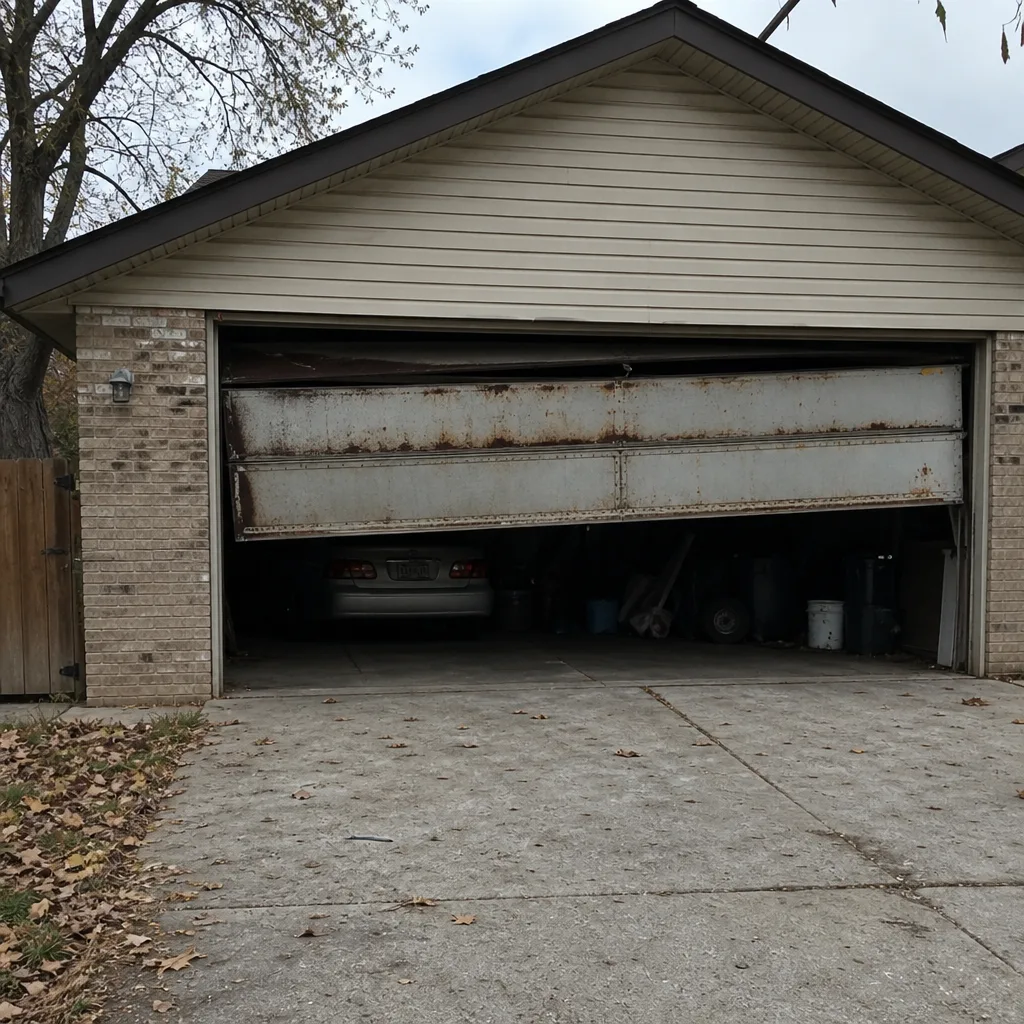 Before
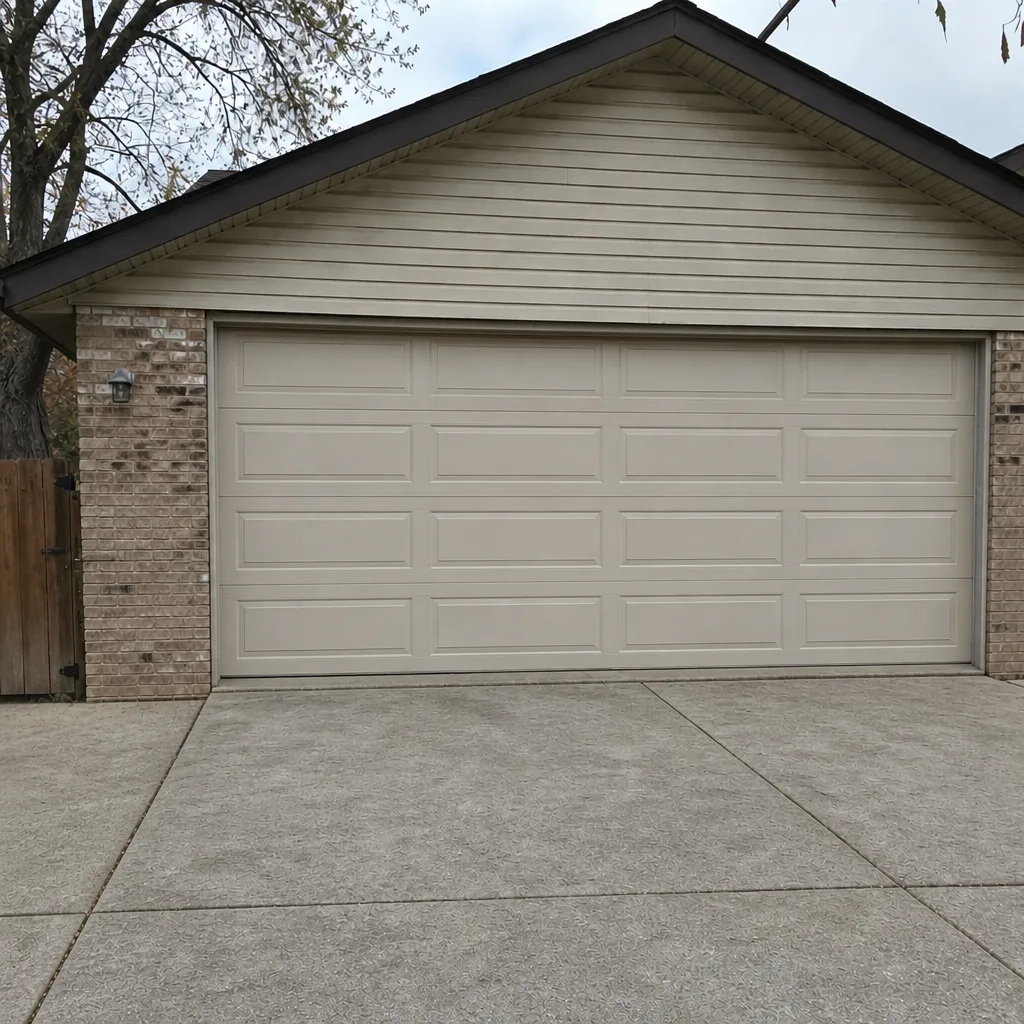 After
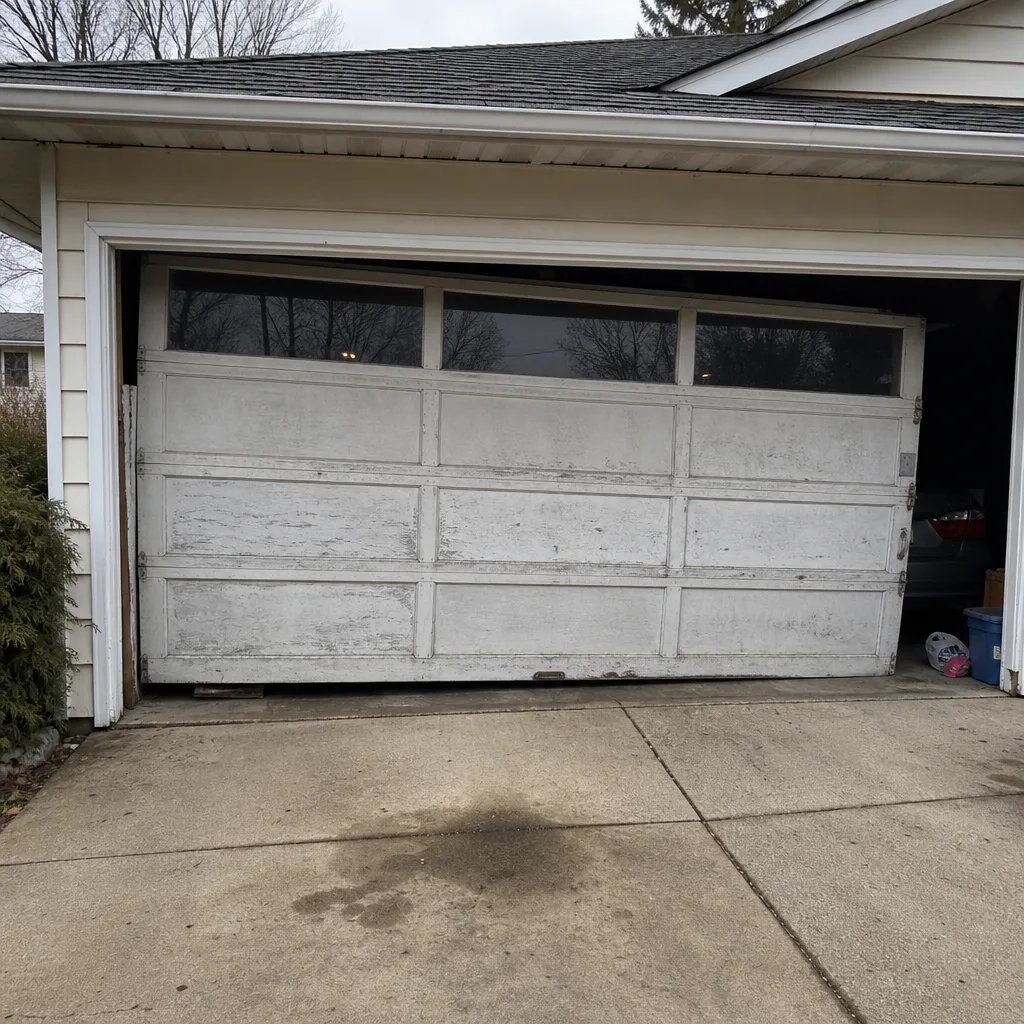 Before
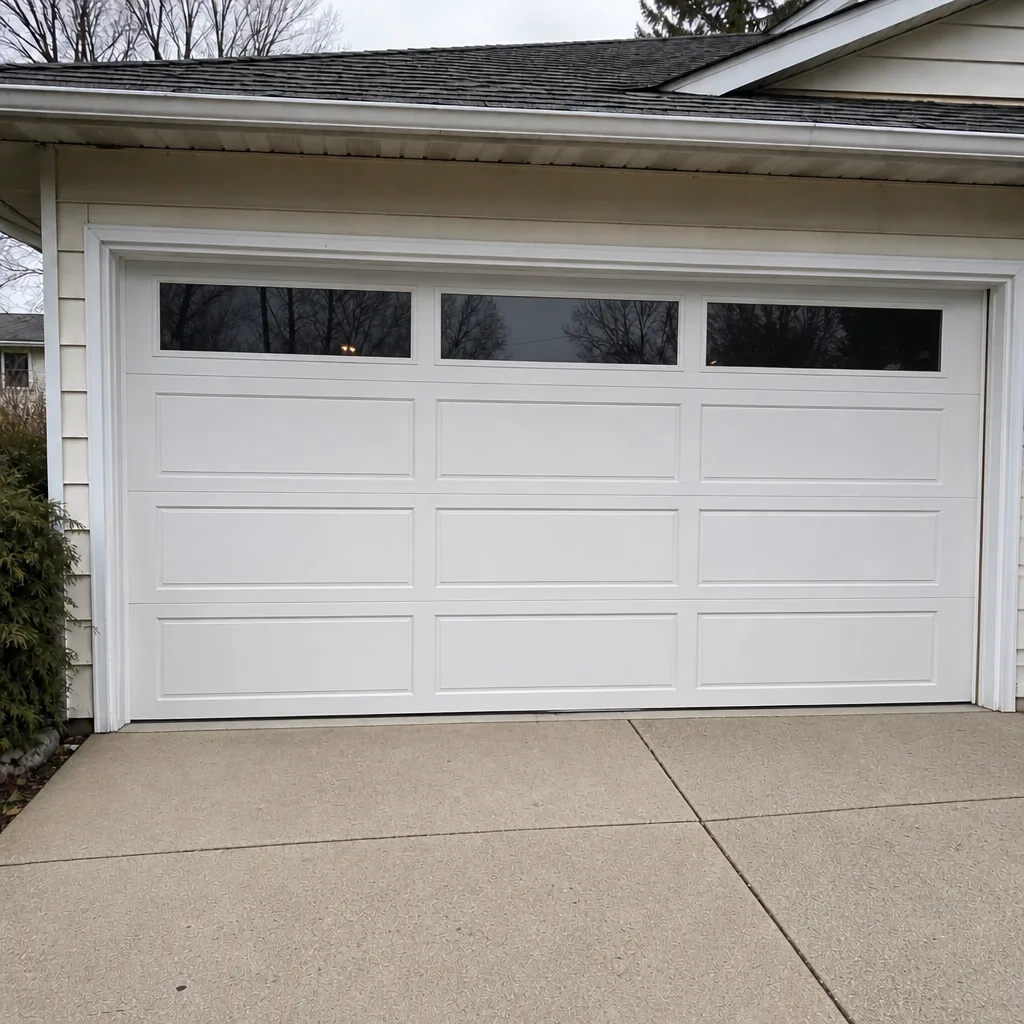 After
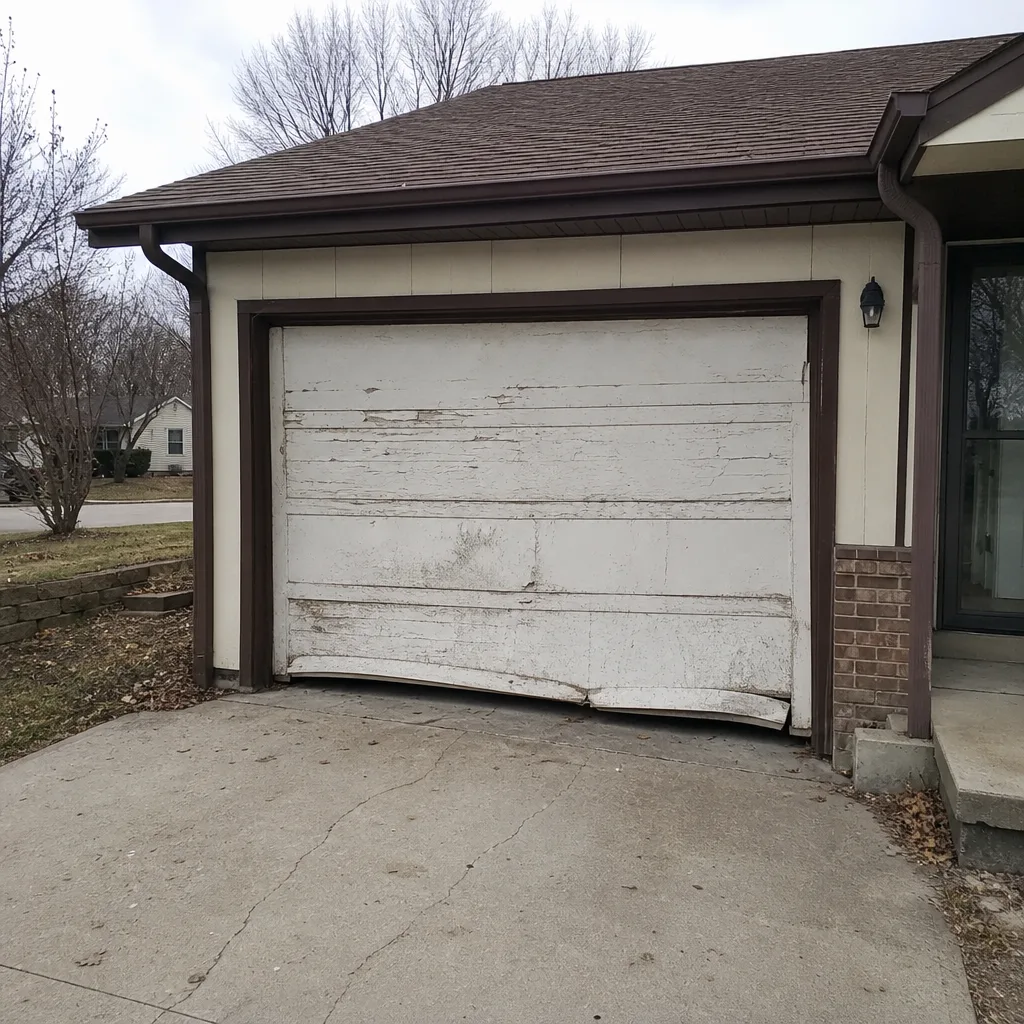 Before
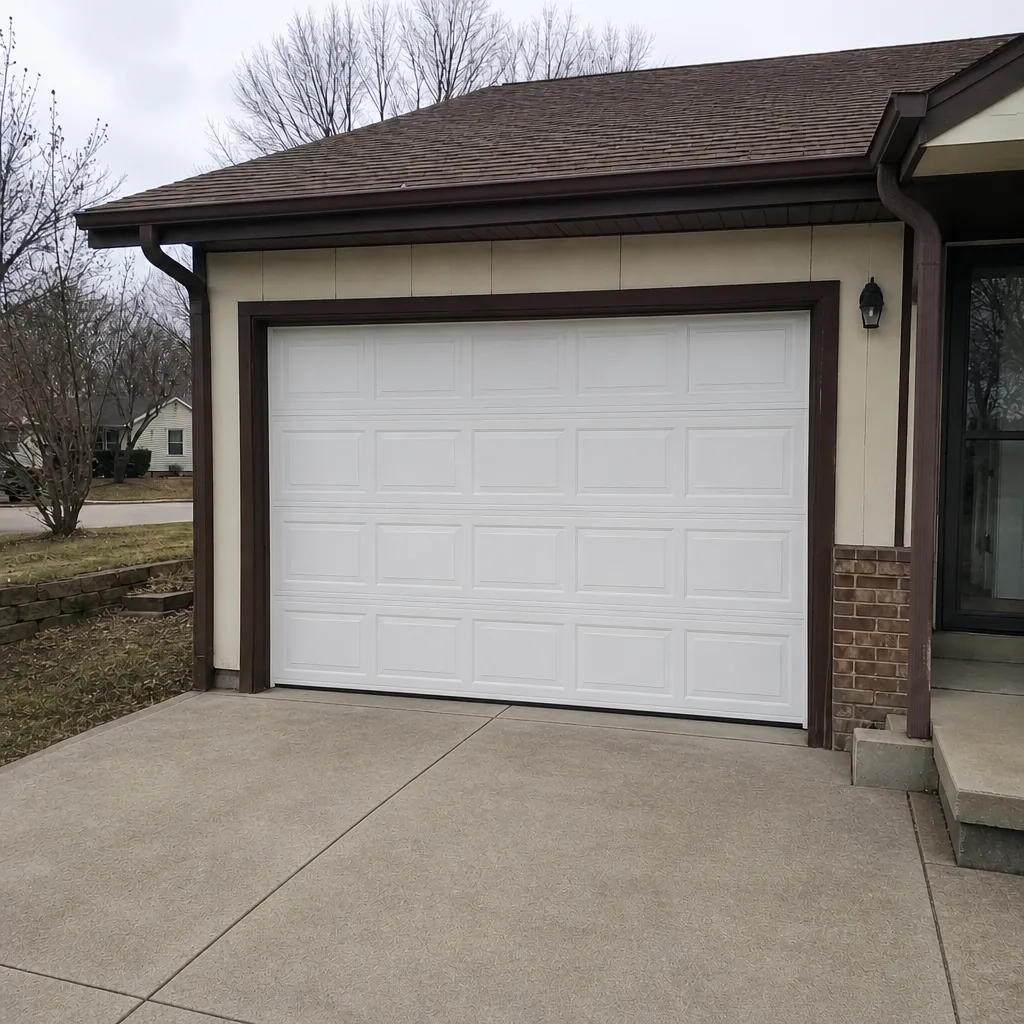 After
When to Call a Professional
Call a professional if any of the following is true: the door is stuck open or stuck closed, a spring or cable has snapped, the door is out of balance, the door has been hit hard enough to dent a panel, the opener is sounding strained, or you’re not sure whether the job is safe. Don’t call if the only issue is maintenance or a remote that needs pairing; those are the tasks we’d encourage a homeowner to handle. The dividing question is always whether the fix requires releasing stored energy. If it does, it’s a professional job, full stop.
Bloomington Garage Door Repair Co offers free estimates in Bloomington. We’re a single-trade specialist, meaning garage doors are the only thing we do, and we work on eight major brands. Call (833) 508-9255. The estimate is free and the price is set by a written estimate before any work begins.
Frequently Asked Questions
No. Torsion and extension spring work involves high stored energy and should only be handled by a trained professional. A mistake can cause serious injury in a fraction of a second, and a loosened spring can drop a door on you. Call (833) 508-9255 for a free estimate on spring repair in Bloomington.
The tool kit for spring or cable work, including winding bars, rated ladders, cable clamps, and proper safety gear, typically runs close to or above the price of a professional repair. Add the risk of damage from a mis-set spring and the economics rarely favor DIY. Call (833) 508-9255 for a written estimate and compare the numbers directly.
Winter makes the same job riskier. Cold metal is more brittle, gloves reduce grip, and the ground around the door gets icy. Tasks that are manageable in September, like panel and seal work, become slip hazards in January. If a door drags on a cold morning, clear the obstruction and test again before trying any repair. Call (833) 508-9255 if it still drags.
No. A door with a snapped spring is unbalanced and can drop without warning, and using the opener on it risks damaging the motor. Keep the door closed if you can and call before using it. Call (833) 508-9255. We answer 24/7, and fast dispatch runs from 7am to 7pm, Sunday through Friday.
Yes, a door stuck open leaves the house unsecured, so treat it as a priority call rather than a maintenance item. A stuck-closed door is also urgent if the garage is your usual exit. Call (833) 508-9255 and we’ll book you in for the next opening. A call outside dispatch hours is booked into the next opening, Sunday through Friday, 7am to 7pm.
Yes. The local professional who performs the work is state-licensed and carries insurance as required in Minnesota. Bloomington Garage Door Repair Co connects homeowners with those vetted local professionals and stands behind the work. Call (833) 508-9255 for a free estimate.
Often, yes. Same-day service is available for urgent repairs, and emergency service is part of our lineup for a stuck door. Call (833) 508-9255 to check availability. We answer 24/7, with fast dispatch from 7am to 7pm, Sunday through Friday.
The price is set by a written estimate you agree to before any work begins, and the estimate is free. We don’t change the price after the fact. If the diagnosis turns up something extra, we quote it before doing it. Call (833) 508-9255 for a free estimate.
The Bottom Line
The DIY question for garage doors isn’t about your skill level. It’s about which tasks involve stored energy and which don’t. Lubrication, bolt tightening, tracks, seals, remotes, and the safety reversal test are safe to handle yourself, and they’re worth doing. Springs, cables, drums, and the torsion shaft belong to a professional who’s trained for the specific risks. In Bloomington, winter sharpens that line: the same task that’s awkward in September can be hazardous in January. If you’re unsure which side of the line a job sits on, a free estimate settles it for less than a damaged door or a bad injury. We work on the brand already in your garage, from Amarr to Wayne Dalton to Raynor, and we’ll tell you plainly what’s worth doing yourself.
Contact
Ready to know exactly where your door stands? Call Bloomington Garage Door Repair Co at (833) 508-9255 for a free estimate. We’re a single-trade garage door specialist serving Bloomington and the surrounding area, and we handle repair, opener service, spring replacement, and new door installation. We answer 24/7. Fast dispatch from 7am to 7pm, Sunday through Friday. The estimate is free and the written price is the price.
Written by the team at Bloomington Garage Door Repair Co.