
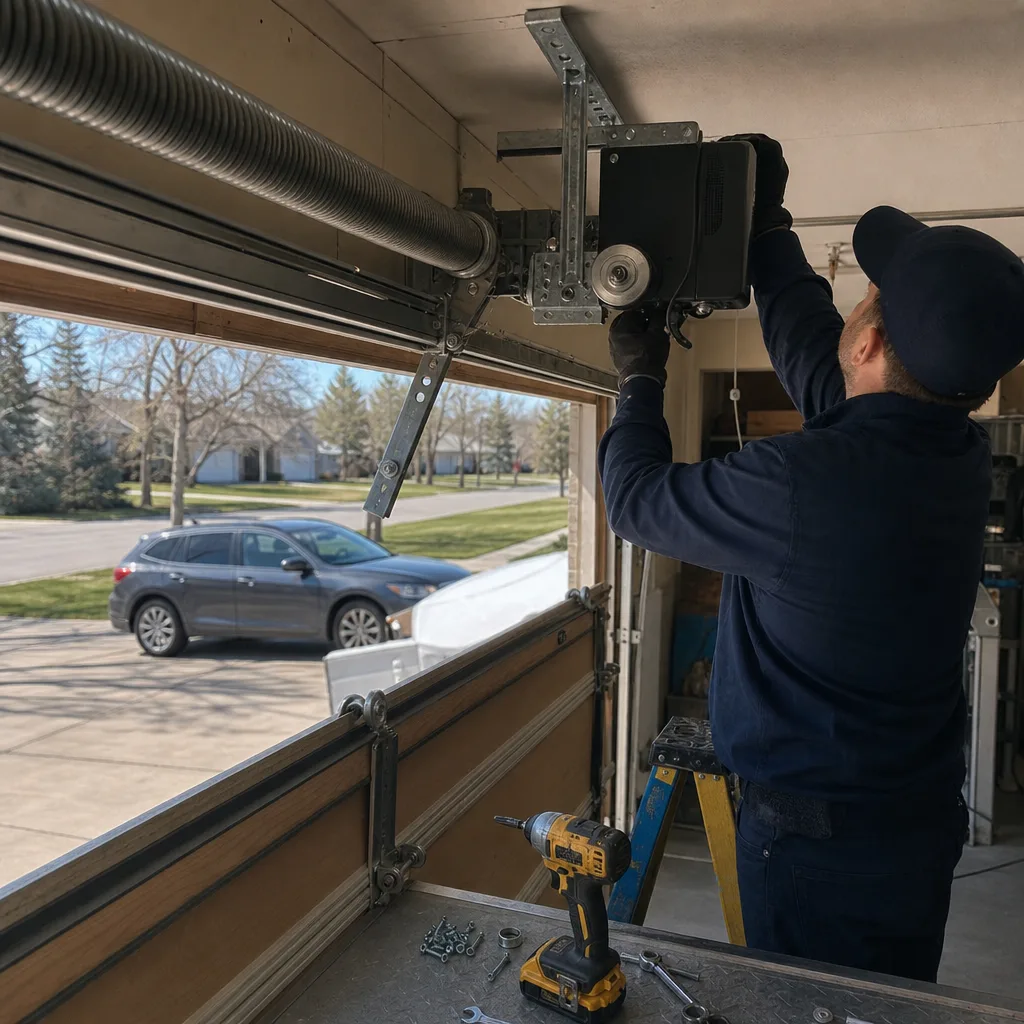
Last updated November 21, 2026
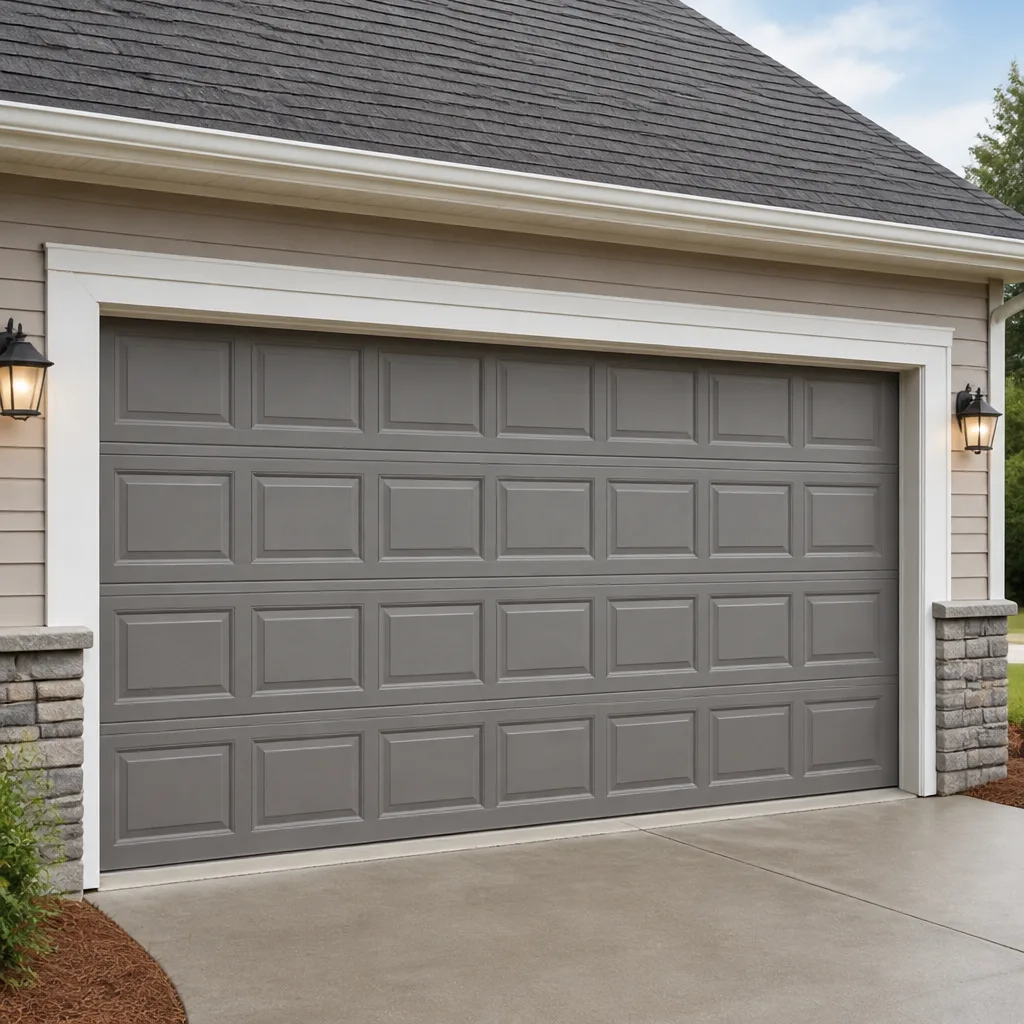 Raised-panel steel
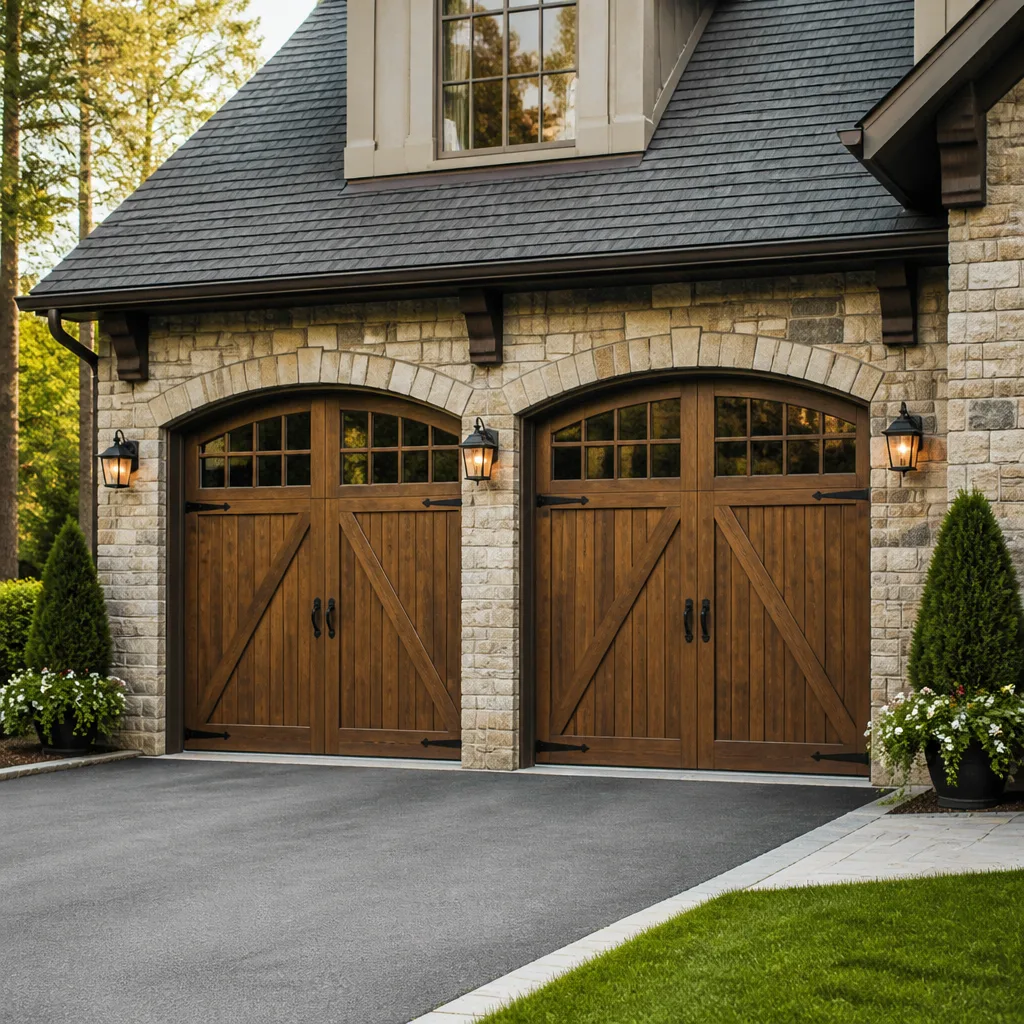 Carriage house
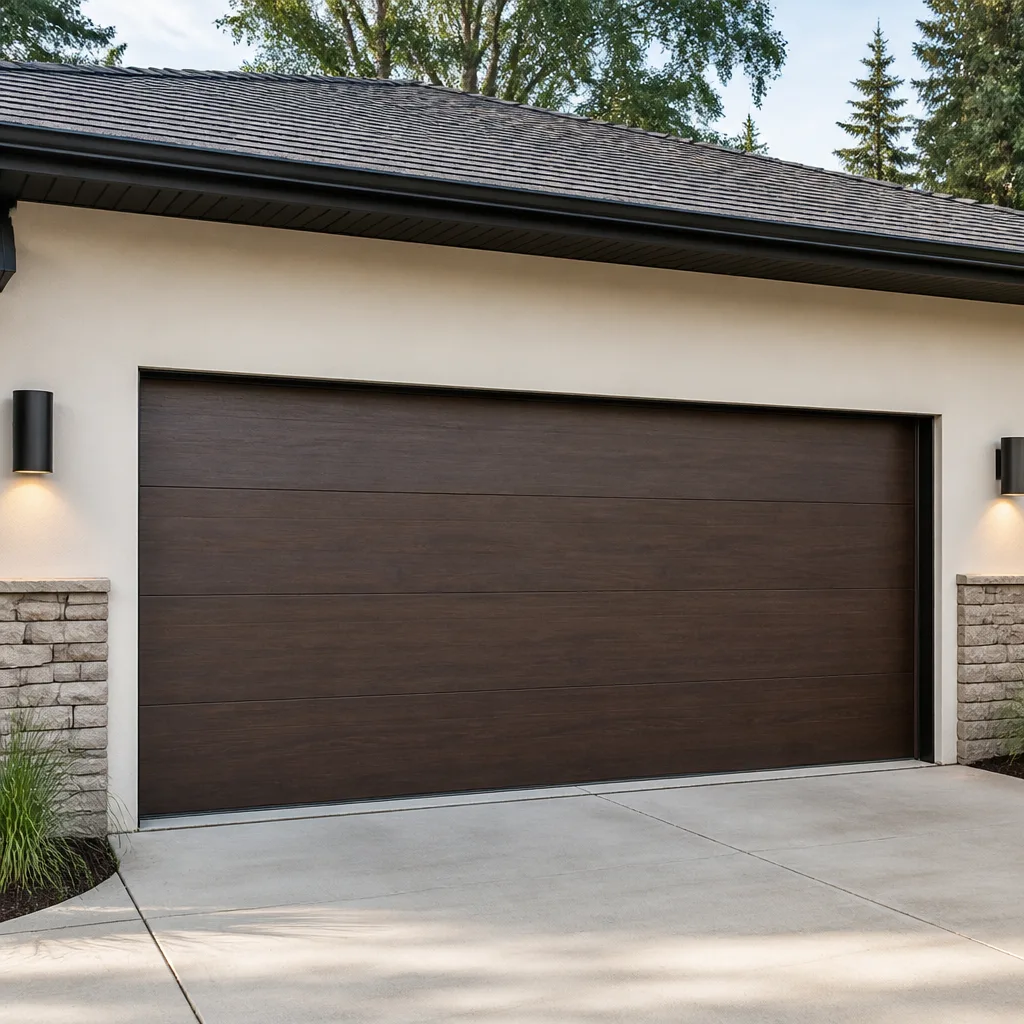 Modern flush
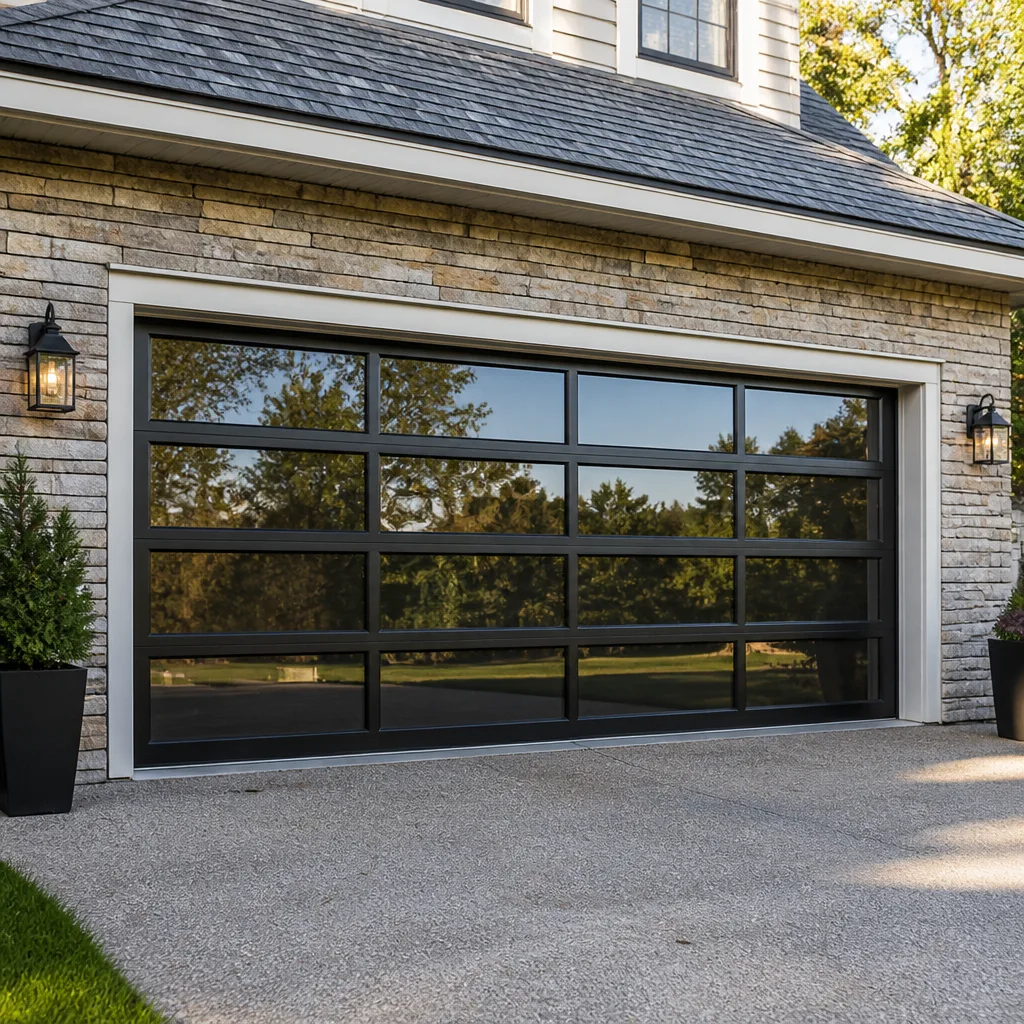 Full-view glass
 LiftMaster openers
 Chamberlain openers
Full 25-point door and opener safety check with every visit - springs, cables, rollers, tracks, and your LiftMaster or Chamberlain opener included
You get a price before we start. It does not change when the pro arrives.
Get your free estimateGarage Door Permits, Codes & Inspections in Bloomington, MN: What You Need to Know
Most Bloomington homeowners fall into one of two camps. Some assume every garage door project needs a permit and delay a simple fix for weeks. Others skip the permit on a job that genuinely requires one and only find out when an inspector, a buyer’s agent, or a city reviewer flags it later, which can mean a correction order and a delayed closing right when you’re trying to sell. The line between “swap the door” and “permit required” isn’t obvious from the outside, and it depends on things like door dimensions, structural changes, and the fire separation between your garage and your living space. This guide walks through how Bloomington handles garage door permits, what the current code actually requires, what inspectors check, and how to keep your paperwork clean so it never costs you later.
Quick Answer
A like-for-like garage door replacement in Bloomington typically doesn’t require a permit, but any job that changes the size of the opening, alters the header or framing, or touches the fire-rated wall between the garage and the house usually does. Permit rules and inspection triggers can change, so confirm your specific project with the City of Bloomington’s building department before work starts. Insulation and safety features are also inspected on new installations, so the door you buy and the paperwork you keep matter well after the truck leaves.
Styles & brands we work with
- Raised-panel steel
- Carriage house
- Modern flush
- Full-view glass
- LiftMaster openers
- Chamberlain openers
Table of Contents
- Does a garage door replacement need a permit in Bloomington?
- The Bloomington code threshold: like-for-like vs. structural change
- How Minnesota’s energy code affects insulation on new doors
- Fire-rated doors between an attached garage and living space
- Pulling the permit yourself vs. having your contractor pull it
- What happens at a garage door inspection
- What documentation to keep after a permitted installation
- Common mistakes to avoid
Does a garage door replacement need a permit in Bloomington?
Replacing an existing garage door with one of the same size, in the same opening, using the same mounting points typically does not require a building permit in Bloomington. The work is treated as maintenance or a fixture swap rather than construction. That covers a large share of what homeowners actually need: a dented panel replaced, a worn door swapped for a new one of identical dimensions, or a broken door replaced with the same model line from the same manufacturer.
A permit is usually triggered when the job crosses from replacement into construction. That’s the clear dividing line, and it’s why two neighbors on the same block can have completely different permitting obligations for what sounds like the same project.
These situations typically call for a permit:
- Cutting a new opening, widening the existing one, or changing door height.
- Repairing or replacing a structural header, framing, or lintel above the opening.
- Changing a non-loadbearing wall to a loadbearing one, or vice versa.
- Adding a new attached or detached garage structure.
- Electrical work for a new opener circuit that requires a new outlet or dedicated run.
- Any work that affects the fire separation wall between the garage and the house.
In our experience, the mix-up happens most often on older Bloomington homes where a previous owner already changed the opening or added a bay without pulling a permit. If the door frame doesn’t match the original garage drawings, a simple replacement can uncover a bigger question about whether the opening was ever properly inspected. That’s worth sorting out before the new door goes up rather than after. If you’re unsure which side of the line your project falls on, the building department can tell you in a short phone conversation, and it costs nothing to ask. Call (833) 508-9255 if you want to talk through the project first and get a free estimate for the door work itself.
The Bloomington code threshold: like-for-like vs. structural change
The core distinction in Bloomington’s code is whether the work changes the building’s structure, its footprint, or its fire and energy performance. A door swap that keeps every dimension the same doesn’t do any of those things. A door swap that changes the opening size, alters the wall above it, or removes a fire-rated assembly does.
Here’s how the threshold usually shakes out:
- Same manufacturer, same size, same opening: no permit in most cases. This is a repair or replacement.
- Different manufacturer, but same size and opening: still a replacement. Track weight and spring configuration, but the permit question doesn’t change.
- Different size door in the existing opening: usually requires a permit because the opening, track, and framing all change.
- New opening in an existing wall: permit required, always. Header and framing decisions are structural.
- Wall modifications to convert a garage into living space, or vice versa: permit required, and usually a design review too.
- New garage attached to the house: permit required, and the fire separation between garage and house becomes an inspection item.
A useful rule of thumb: if the door’s rough opening measurements are unchanged and the wall around it isn’t being touched, you’re replacing. If the rough opening or the wall is being modified, you’re building, and that’s the point where the city wants to see a plan and send an inspector. When a homeowner isn’t sure which side of the line their project falls on, the safer path is to check with the building department before the door is ordered. Ordering a door in the wrong size because the opening turned out to be nonstandard is a costly mistake, and it’s a common one on Bloomington’s older housing stock where garages were built by different builders over different decades. Call (833) 508-9255 and we can talk through what your door actually needs before you commit.
How Minnesota’s energy code affects insulation on new doors
Minnesota’s energy code applies to new construction and to additions and alterations that the code treats as new work, and a new garage door on a heated or conditioned garage is one of those items. For an attached garage that shares a wall with the house, insulation on the door and the wall is part of what keeps the home’s energy performance in line with what the rest of the envelope is doing.
What inspectors actually look for on the door itself:
- R-value documentation. The door manufacturer’s spec sheet or the label on the door, showing the insulation rating. Keep the paperwork; the inspector may or may not ask for it, but the file is what matters if the door is ever questioned later.
- Insulated vs. non-insulated. A door between a heated garage and living space generally needs insulation in the assembly, and the inspector will confirm what was installed.
- Perimeter sealing. Weatherstripping and bottom seal in good condition, so the door isn’t an open gate for cold air. Minnesota winters are unforgiving; a door that seals properly is doing real work for the home.
- Thermal break or insulated section on the door itself. The door you buy needs to match the spec on the permit documents, not just look right in the opening.
This is also the section where homeowners are most likely to wind up with the wrong door. A budget door sold as “insulated” might carry a rating that satisfies a builder but not an inspector reviewing a conditioned-garage installation. When you’re comparing quotes for a new door, ask whether the insulation spec matches what Bloomington expects for your garage type. Call (833) 508-9255 and we’ll walk through what door spec fits your project before you order.
Fire-rated doors between an attached garage and living space
The wall between an attached garage and a house needs fire separation, and any door in that wall needs to be fire-rated to the degree the code requires for that assembly. In a Bloomington home with an attached garage, the door from the garage into the house is a fire door, not a regular interior door, and it’s part of what an inspector looks at when a project touches that assembly.
What that means in practice:
- The door assembly, not just the slab. The door, the frame, the hinges, and the closer all play into the rating of the assembly.
- Self-closing hardware. A fire door is expected to close and latch on its own, so the spring hinges or closer need to actually work. A door propped open defeats the purpose.
- Labeling. Fire-rated doors carry a label, and that label is what the inspector is looking for.
- Gaps and seals. Excess gap between door and frame can compromise the rating. Intumescent seals are common on this door type.
We mention this in a garage door guide because homeowners often assume the door between the garage and the house is a builder detail they don’t need to think about. It isn’t a garage door, but it’s the door most likely to be affected when a garage wall is modified, and it’s one of the things an inspector will flag if the assembly has been changed without a permit. If your project touches that wall, plan to have the fire door reviewed at the same time. Call (833) 508-9255 and we’ll talk through what’s in scope for your project.
Pulling the permit yourself vs. having your contractor pull it
Either route is legal in Bloomington, and both are done more often than homeowners realize. The difference is in who is responsible if something goes wrong, who talks to the inspector, and who holds the correction order if the job needs rework.
Here’s how each path works:
- You pull the permit as the homeowner. You submit the application, you’re named on the permit, and you’re responsible for the work meeting code, including any work done by a subcontractor. The inspector contacts you, not the company. This is legal and common for owner-occupied homes. The catch is that if the installation needs a correction, you’re the one who has to chase down the installer and get it fixed.
- The contractor pulls the permit. The licensed contractor applies, is named on the permit, and typically carries the insurance and is the point of contact for the inspector. If a correction comes back, it lands on the contractor to resolve, not you. That’s a real difference in practice, and it’s why we recommend the contractor route whenever a permit is actually needed.
- Mixed route. The homeowner pulls the permit for the structural or electrical work and the installer handles only the door. This can work but the separation of responsibility makes inspections messier, and inspectors generally prefer one named party for the whole job.
For Bloomington, the practical answer is: when a permit is required, have the licensed contractor pull it. That’s not a sales pitch, it’s about who signs the paperwork. If a correction order is issued, it names the permit holder, and the permit holder is the one who has to pay for the fix. A homeowner who pulled the permit on their own ends up chasing down the installer and coordinating with the city themselves, which is not a situation most people want after the fact. If your project needs a permit and you want the paperwork to sit correctly, call (833) 508-9255 and we’ll make sure the permit is pulled by the right party before any work starts.
What happens at a garage door inspection
A garage door inspection in Bloomington is usually a short visit, but it has a defined scope. The inspector is looking at whether the installed door matches what was permitted and whether the installation passed the applicable code items. Getting a walkthrough of what to expect means the day goes smoother.
Here’s what inspectors typically check, in rough order:
- Door matches the permit. Size, model, and insulation spec as listed. A mismatch means a correction order.
- Attachment and fastening. Track brackets, jamb brackets, and hinge attachment are secure and to the manufacturer’s spec.
- Springs and cabling. This is a safety item. Springs and cables are high-tension components and the installation has to be correct, with proper containment on the cables.
- Balance and operation. The door opens and closes under control, and the opener’s force and travel settings are correct.
- Safety reverse. Photoelectric eyes and the pressure-sensing reverse feature are functioning as designed.
- Fire door (if in scope). Label, closer, and self-closing and latching function.
- Energy code items (if in scope). Insulation and sealing match what the permit requires.
If the door is opened or closed during the inspection, springs and cables are under tension, and that’s not a component to fiddle with to make a small issue disappear. Springs, cables, and bottom brackets store serious energy, and a mistake there can cause serious injury. If a spring or cable issue shows up during the inspection, that’s a technician’s job, not a homeowner’s. If you’re in that spot, call (833) 508-9255 and we’ll handle the repair side. For spring work specifically, our garage door spring repair covers the parts and the safety checks that inspectors look for. Permit-side issues, on the other hand, are handled by whoever pulled the permit.
What documentation to keep after a permitted installation
After a permitted installation closes out, keep a small file. It’s a short list, but it’s the file that answers the question “was this work done properly?” during a home sale, an insurance claim, or a future project on the same wall.
Here’s what belongs in that file:
- The permit and the final inspection record. The stamped or signed permit card, or the city’s equivalent closeout documentation, proving the job passed.
- The door spec sheet. Manufacturer, model, R-value, and the insulation documentation the inspector reviewed.
- The installation invoice. Who did the work, when, and what they installed. Useful during a home sale when a buyer’s inspector asks.
- Fire door documentation, if in scope. The label, the order spec, and any hardware documentation.
- Any correction orders and how they were resolved. Keep the resolution, not just the original order.
- Warranty paperwork and any opener documentation. Not a permit item, but worth keeping in the same file.
Why it matters in Bloomington specifically: home sales here often involve buyer inspections that ask about garage doors, openers, and fire doors. A clean file answers the question in a minute. A missing file means a call to the city, a records request, or a re-inspection that can hold up a closing. If your garage door was replaced years ago and you don’t know whether it was permitted, you can request the permit history from the city before you list. If a question comes up about the door hardware itself during that process, call (833) 508-9255 and we can help sort out what’s installed and what’s needed. For more on the door work itself, our garage door repair covers the repair side, and our garage door opener repair covers opener issues that show up on the same inspection.
Common Mistakes to Avoid
- Skipping a permit on a size change. A homeowner replaces a nine-foot door with a wider one and assumes it’s a “replacement.” When the opening is modified, that’s a permit job, and the correction order comes later.
- Assuming every replacement needs a permit. The opposite mistake: pulling a permit for a same-size door swap. It adds time and cost to a job that doesn’t need either. Confirm the threshold with the city rather than guessing either way.
- Letting the homeowner pull the permit, then hiring a contractor. The permit holder is on the correction order, not the installer. If the installation needs a fix, the homeowner is the one chasing it down, and that’s a much harder position.
- Buying a door with the wrong insulation spec. A door sold as insulated isn’t automatically a match for what Bloomington’s energy code expects on a conditioned-garage install. The permit documents need the right spec, not just a reasonable-looking door.
- Changing the fire door assembly without a thought. Replacing the door between the garage and the house with a non-rated door is a code issue and a safety issue. Plan the fire door review into the project, not after.
- Losing the permit and inspection paperwork. It’s the file that comes up during a home sale, and rebuilding it later takes calls to the city and the installer. Keep it in the same place as the other home records.
- Attempting spring or cable work to clear an inspection item. Springs and cables are high-tension parts, and getting it wrong can cause serious injury. That’s a technician’s job.
See the difference
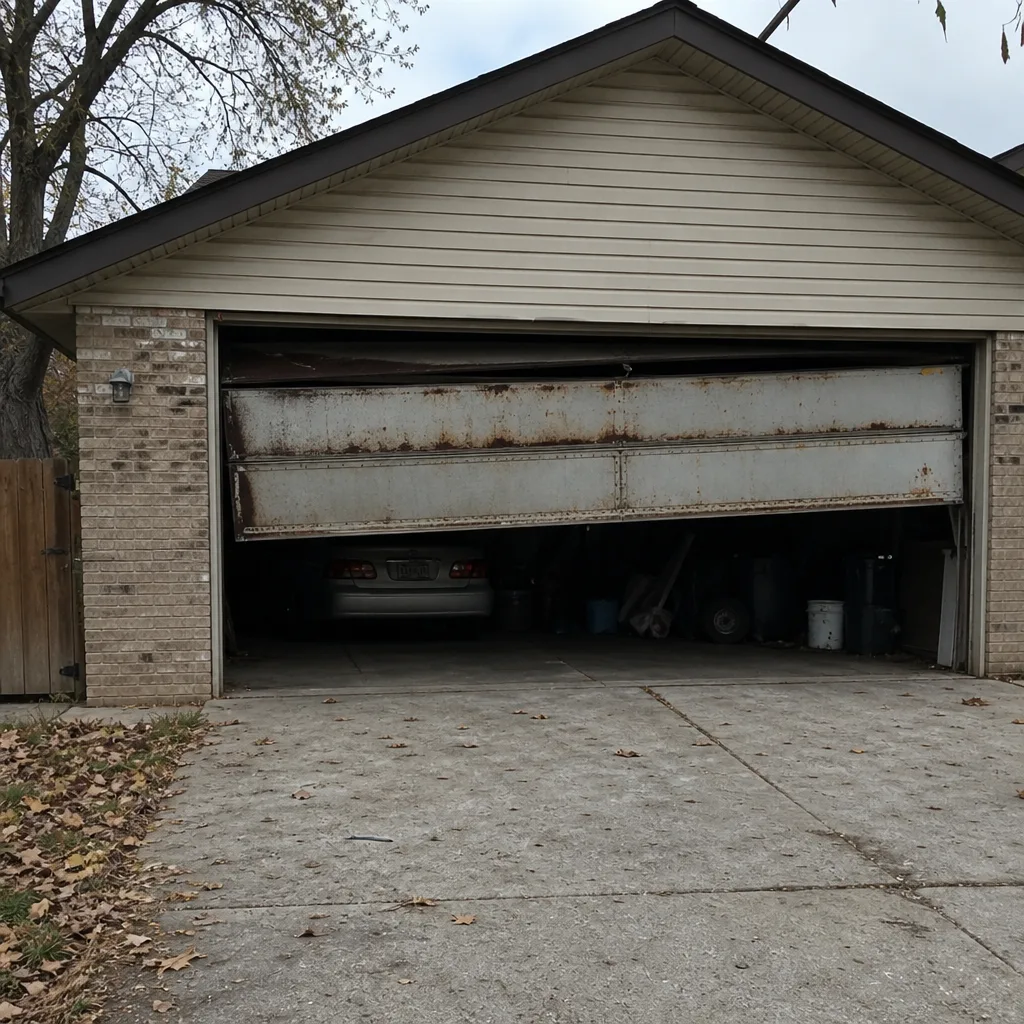 Before
 After
 Before
 After
 Before
 After
When to Call a Professional
Some of this work belongs in a homeowner’s hands and some doesn’t. Reading the code, calling the building department, and keeping your paperwork in one place are all doable on your own. Springs, cables, and the actual installation are not. If a spring is broken, the door won’t open or close under control, or an inspection flags a hardware issue, we recommend calling a trained technician. Springs and cables store tension and are one of the most commonly botched DIY garage door jobs, and the injury risk is real. Bloomington Garage Door Repair Co offers free estimates in Bloomington and can handle the door hardware side, opener service from LiftMaster, Chamberlain, Craftsman, or Raynor equipment, and full door installations. Call (833) 508-9255. We answer 24/7, with fast dispatch from 7am to 7pm, Sunday through Friday. The price is quoted and agreed before any work starts. For permits themselves, the city’s building department is the right call, and we’ll happily talk through what’s in scope for the door work so you know what to ask.
Frequently Asked Questions
Usually no, if the new door is the same size in the same opening and no structural or framing changes are involved. A permit is typically required when the opening size changes, the header or framing is modified, a new opening is cut, or the fire separation between the garage and the house is affected. Confirm your specific project with the City of Bloomington’s building department before the door is ordered, since interpretations and requirements can change. Call (833) 508-9255 for a free estimate on the door work itself.
Minnesota’s energy code applies to new construction and alterations, and a new door on a heated or conditioned garage generally needs an insulation rating that matches what the permit documents specify. The manufacturer’s spec sheet should be kept for the inspector and for your records. The exact rating depends on your garage type and the assembly, so the building department is the right source for a specific answer. Call (833) 508-9255 and we’ll match the door spec to your project before you order.
When a permit is required, have the licensed contractor pull it. The permit holder is the party named on any correction order, and the permit holder is the one responsible for resolving it. A homeowner who pulls the permit on their own ends up coordinating with the city and chasing the installer if something needs rework. Call (833) 508-9255 and we’ll make sure the permit sits with the right party before any work begins.
Typically the door matching the permit, attachment and fastening, spring and cable condition, balance and operation, and safety reverse features. If the fire door is in scope, the inspector will look at the label, the closer, and self-closing and latching function. Energy code items on the door insulation and sealing may also be reviewed. Call (833) 508-9255 if an inspection flags a spring or cable issue and you want a free estimate on the repair.
Keep the permit and the final inspection record, the door spec sheet with the insulation rating, the installation invoice, any fire door documentation if in scope, and any correction orders with their resolutions. This is the file a buyer’s inspector will want to see during a home sale, and it answers the question in a minute rather than a records request. Call (833) 508-9255 if you need to know what’s installed on your door now.
Yes. We handle the door installation, opener service, spring replacement, and full door install, and a separate contractor or the permit-holding party handles the structural work. The two sides coordinate on site so the door goes in after the framing and opening are ready. We work on the brand already in your garage, including LiftMaster, Chamberlain, Craftsman, and Raynor equipment. Call (833) 508-9255 for a free estimate. We answer 24/7, with fast dispatch from 7am to 7pm, Sunday through Friday. The price is quoted and agreed before any work starts.
What Happens When You Call
If a spring is broken, the door won’t move, or you’re planning a replacement that might need a permit, the first step is a conversation. We’ll ask what’s in your opening today, what’s changed since it went in, and whether the door is original to the garage. From there we can talk through whether a permit is likely in scope before any door gets ordered. If a permit is needed, we’ll tell you what to confirm with the building department and who should pull it. If it isn’t, we’ll say so and move straight to scheduling. We answer 24/7. Fast dispatch from 7am to 7pm, Sunday through Friday. For fuller details on the door work, the parent site is at Bloomington Garage Door Repair Co.
The Bottom Line
The line between a permit-free replacement and a permit-required project in Bloomington comes down to whether the work changes the opening, the framing, or the fire and energy assemblies. A same-size door swap usually doesn’t need one. A size change, a structural modification, or a change to the fire separation wall usually does. Keep your permit documents, inspection records, and the door spec in one file, because that file is what answers questions during a home sale or a future project. When in doubt, check with the city, and when a permit is needed, have the licensed contractor pull it. For the door hardware side of the job, call (833) 508-9255 for a free estimate. We answer 24/7, with fast dispatch from 7am to 7pm, Sunday through Friday. The price is quoted and agreed before any work starts.
Written by the team at Bloomington Garage Door Repair Co.