
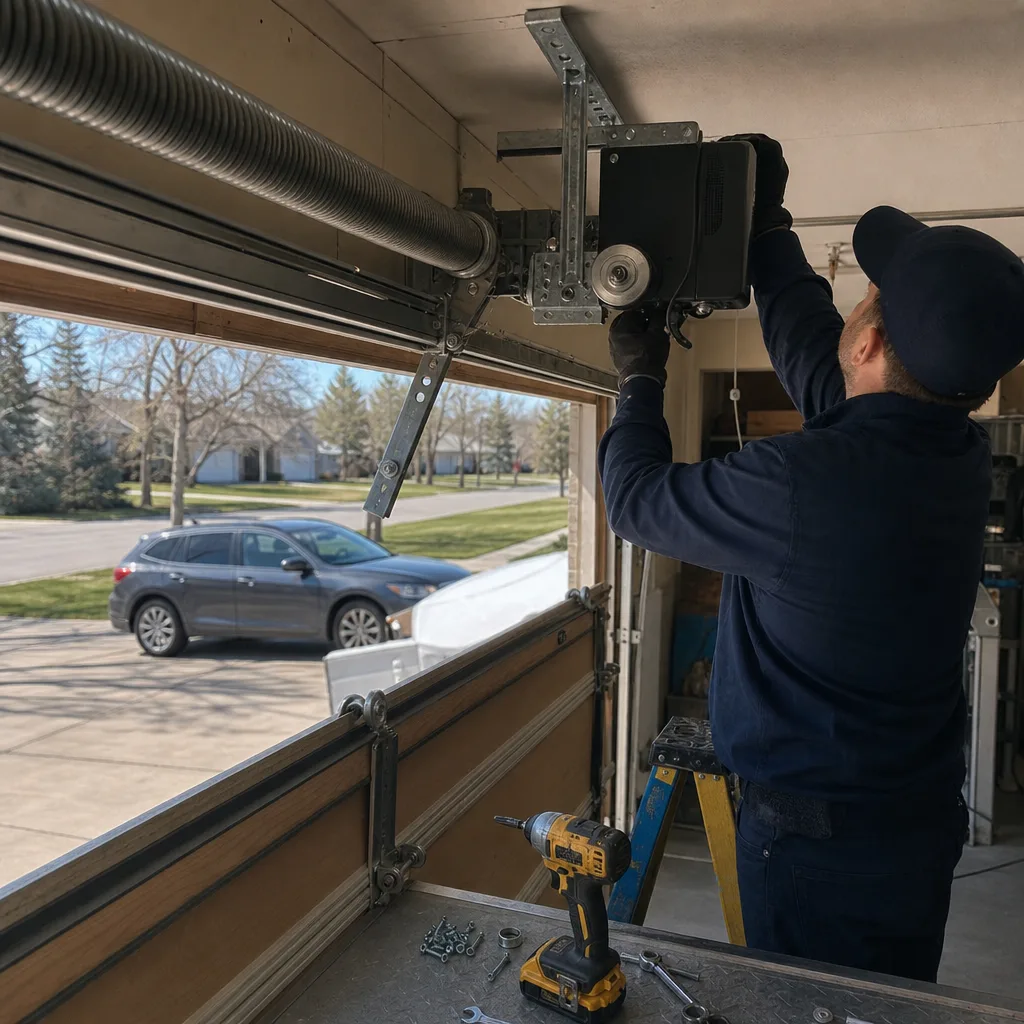
Last updated November 21, 2026
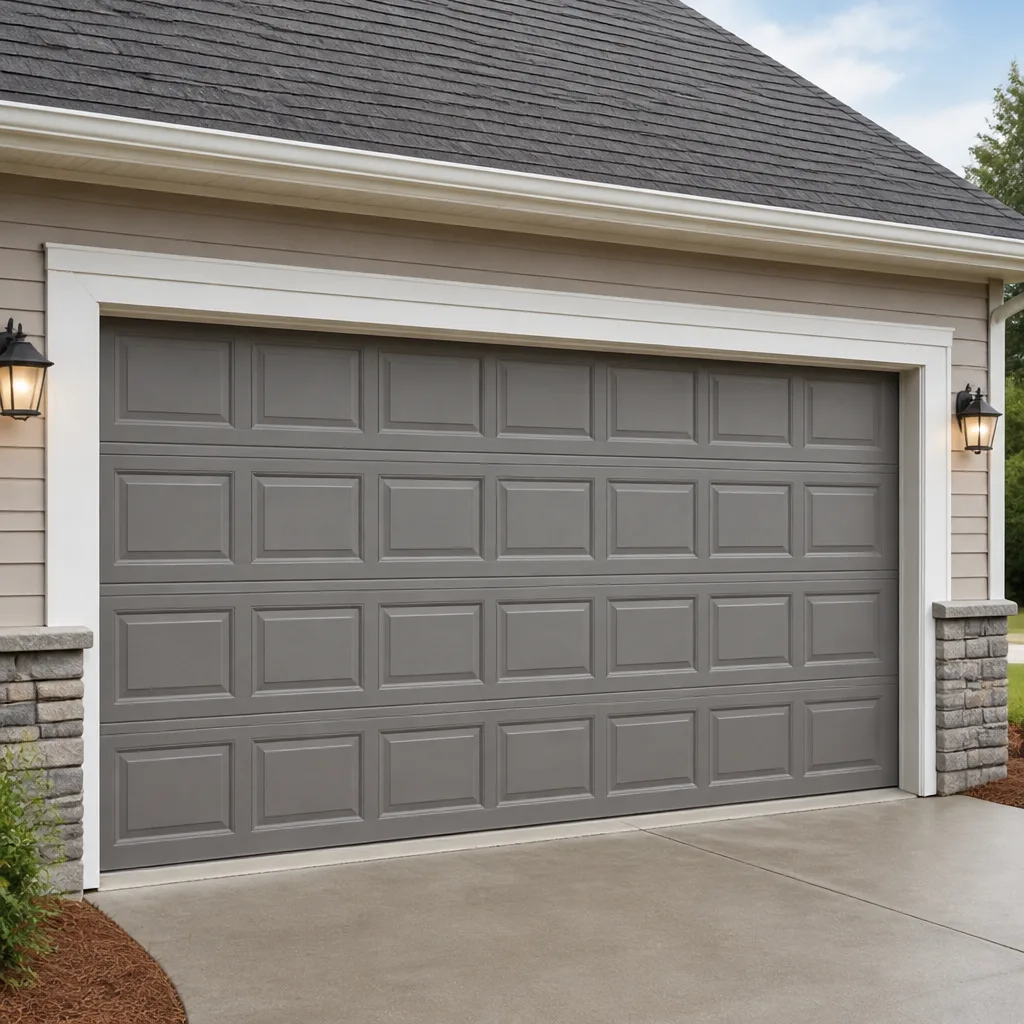 Raised-panel steel
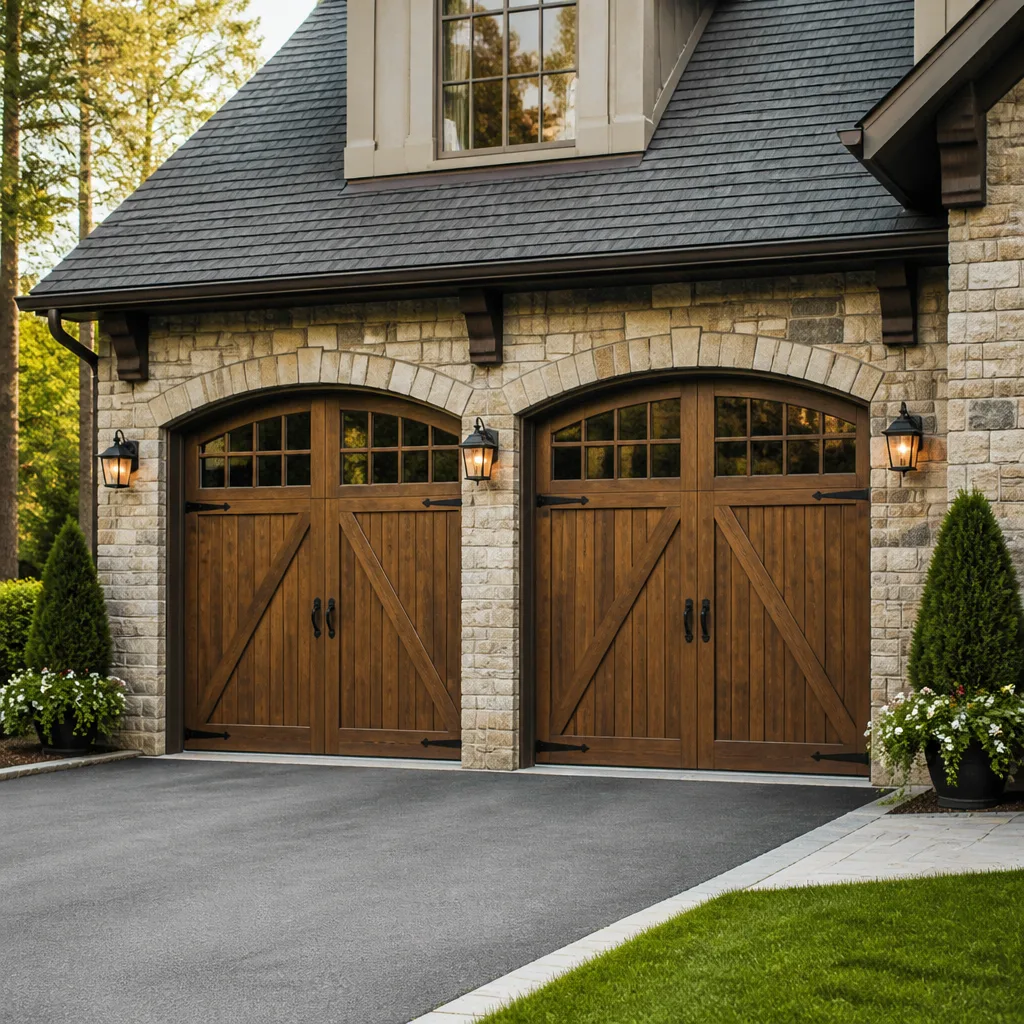 Carriage house
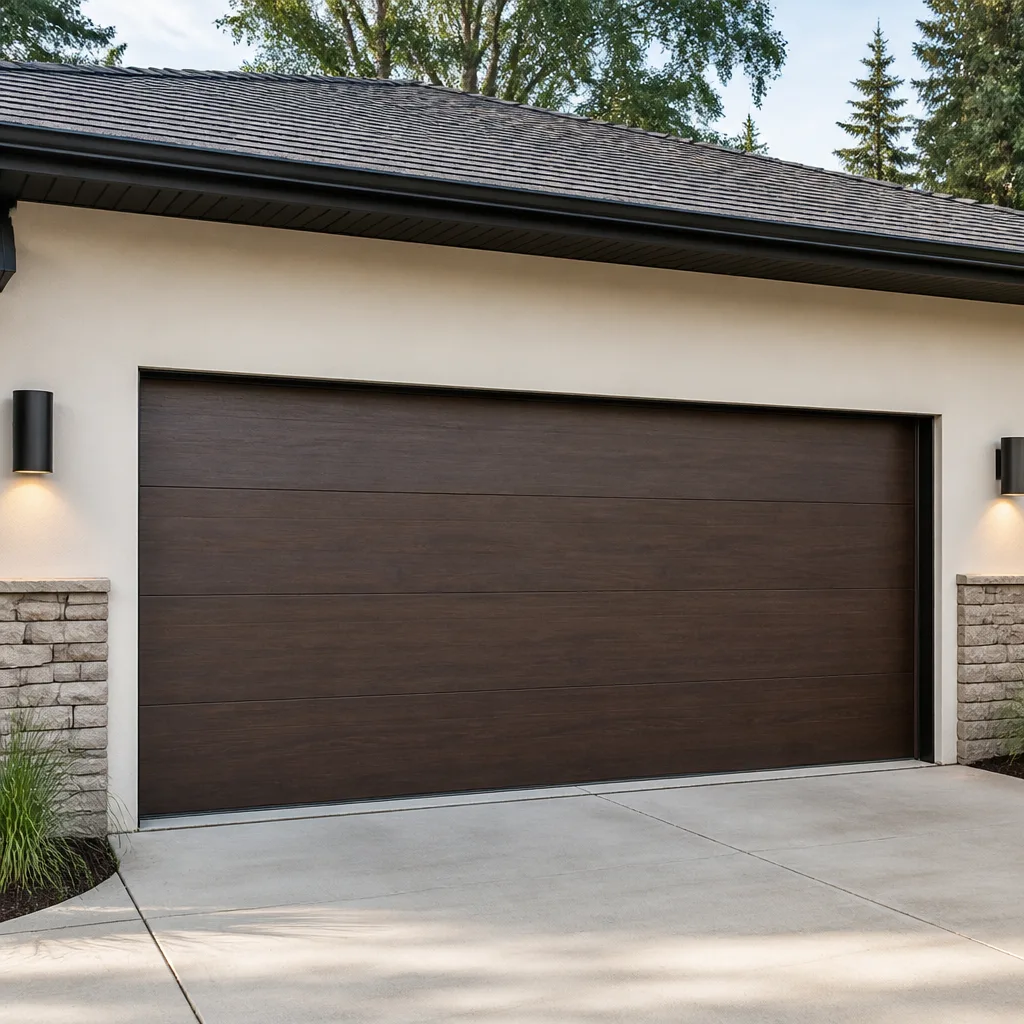 Modern flush
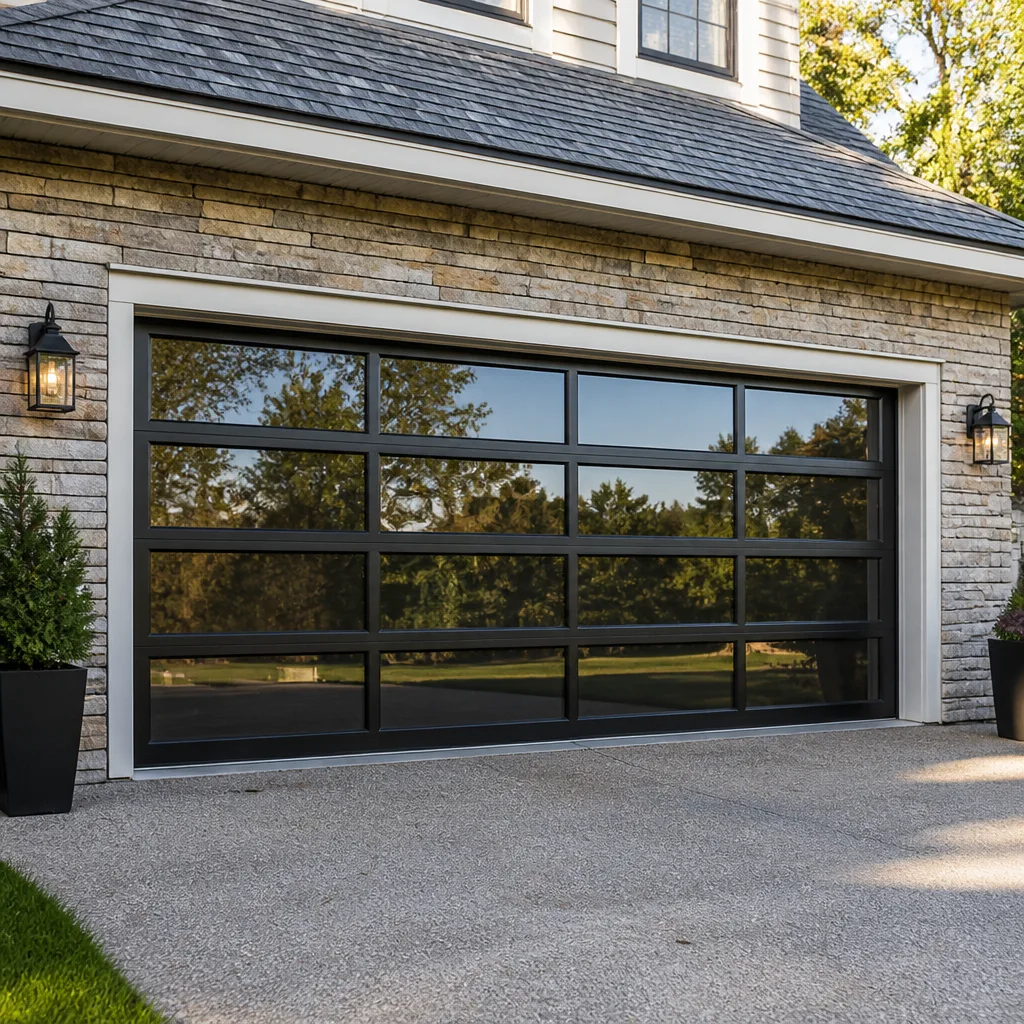 Full-view glass
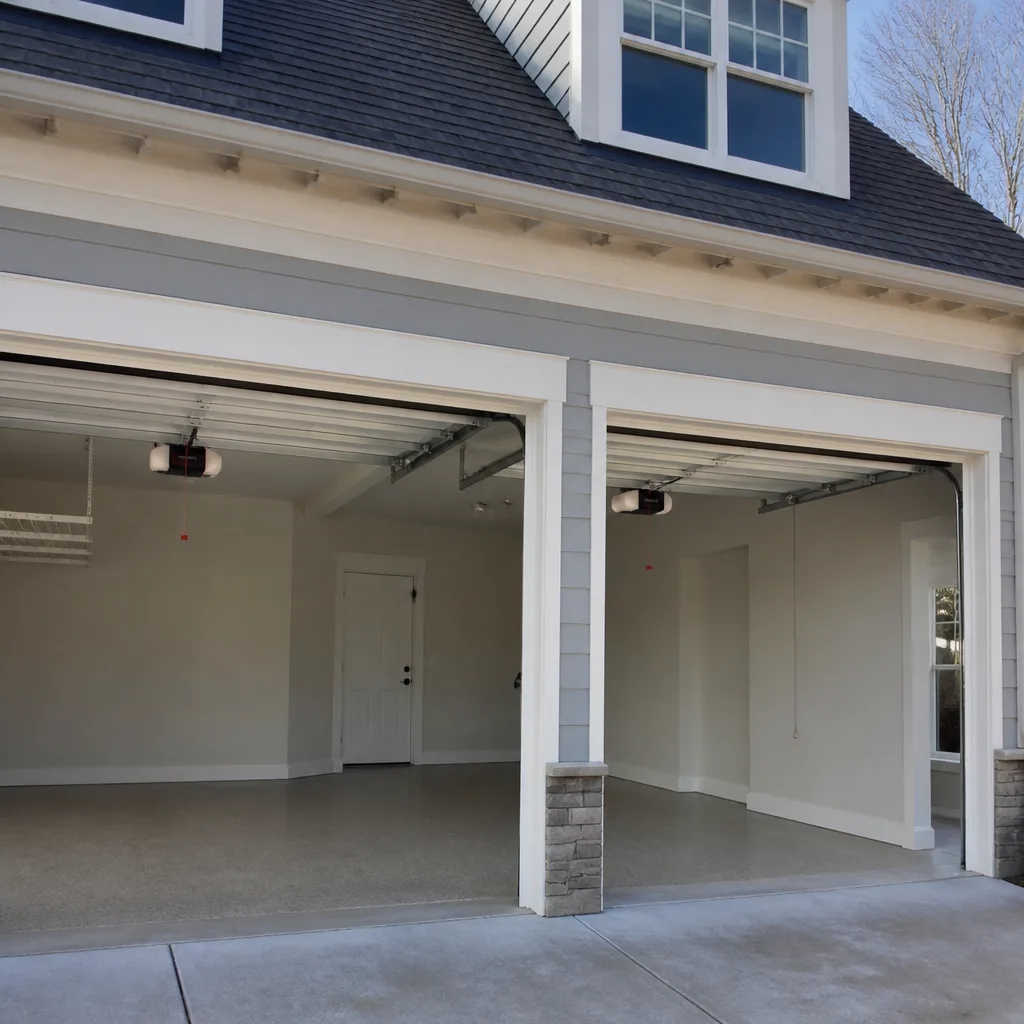 LiftMaster openers
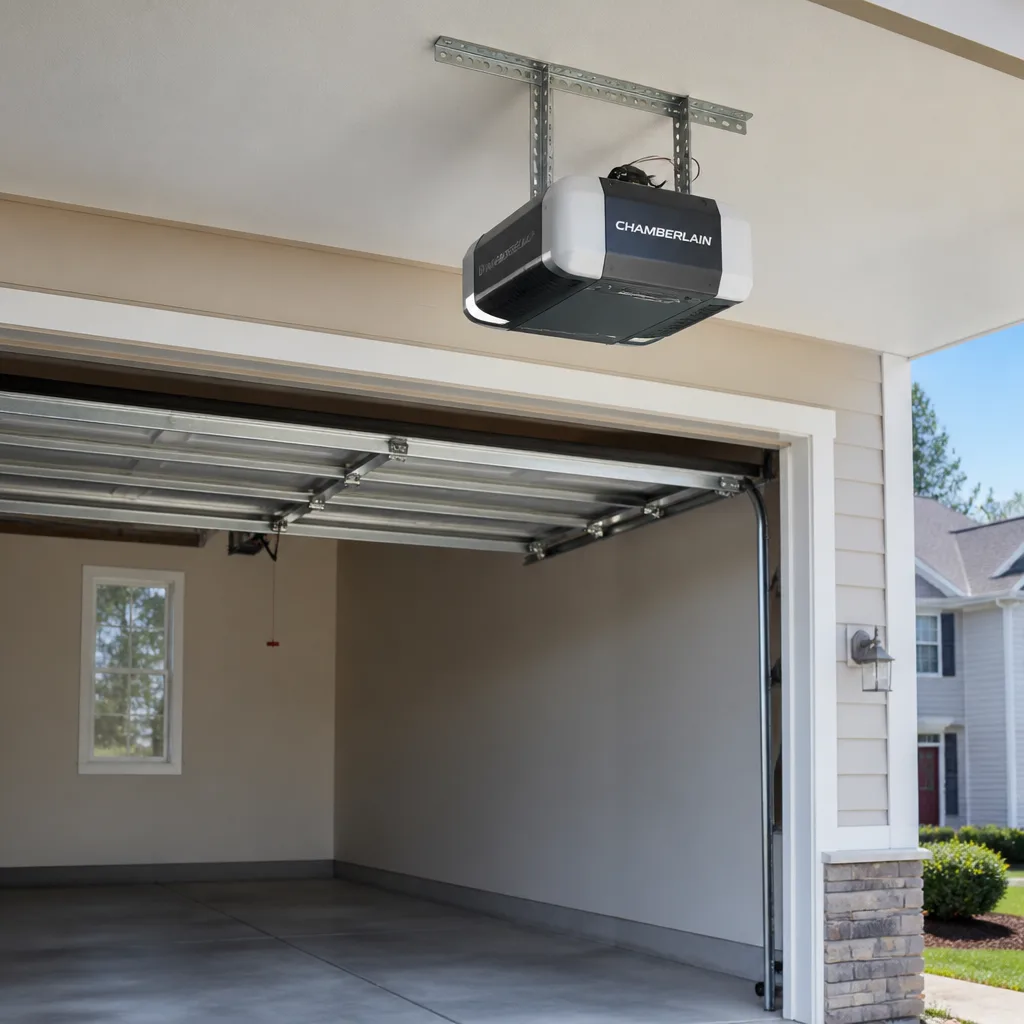 Chamberlain openers
Full 25-point door and opener safety check with every visit - springs, cables, rollers, tracks, and your LiftMaster or Chamberlain opener included
You get a price before we start. It does not change when the pro arrives.
Get your free estimateGarage Door Cost Breakdown: The Bloomington Homeowner’s Reference for 2026
If a garage door estimate you received in Bloomington comes in 30% below the range in this guide, don’t assume you found a deal. Something is almost certainly missing from the scope, and you’ll pay for it on a follow-up visit. The national averages floating around online consistently undershoot real Bloomington prices because they ignore Minnesota labor rates, insulation requirements, and the markup that regional distributors add to parts. This guide gives you itemized 2026 pricing for materials, labor, disposal, and permits, so you can budget from an informed position and negotiate a written quote that actually covers the whole job.
Quick Answer
A garage door replacement in the Bloomington, MN market in 2026 typically runs $1,300 to $2,600 for a basic single-car door installed, and $2,200 to $4,500 for a standard two-car door, with insulated models at the higher end. Spring replacement is one of the smallest jobs on the list, usually a few hundred dollars, while opener replacement sits in the middle. The written estimate, not this guide, sets the final price.
Styles & brands we work with
- Raised-panel steel
- Carriage house
- Modern flush
- Full-view glass
- LiftMaster openers
- Chamberlain openers
Table of Contents
- What does a full garage door replacement cost in Bloomington?
- What are the material costs behind a garage door in this market?
- How much of your estimate is labor, disposal, and permits?
- Why is insulation non-negotiable in Minnesota?
- How do torsion and extension springs differ in cost and lifetime?
- What does opener replacement cost in Bloomington?
- What does a fair diagnostic fee look like?
- Where do legitimate price differences come from, and where do markups hide?
What does a full garage door replacement cost in Bloomington?
Full garage door replacement in Bloomington, MN in 2026 typically costs $1,300 to $2,600 for a single-car door and $2,200 to $4,500 for a two-car door, installed and insulated. That’s a working range for a standard steel door on a standard track, including hardware and haul-away. Custom sizes, carriage-house styling, and window inserts push the top end higher.
The reason this range sits above what you’ll see in national averages has less to do with the door and more to do with where Bloomington sits. Trades here carry Minnesota cost of living into every loaded hour. Distributors that serve the Twin Cities metro add regional freight and warehouse handling to panels and hardware. And the door itself has to handle a cold, snowy climate that punishes poor sealing and thin thermal breaks, so the sensible floor for the door is an insulated model, which costs more up front.
Typical Bloomington replacement ranges by door size and type
- Single-car, basic steel, non-insulated: $1,100 – $1,600 installed
- Single-car, insulated steel: $1,500 – $2,600 installed
- Two-car, basic steel, non-insulated: $1,900 – $2,800 installed
- Two-car, insulated steel: $2,400 – $4,500 installed
- Carriage-house or window-styled two-car: $3,000 – $5,500 installed
When we quote a replacement, we price against the actual door on your garage, not a generic model. When the time comes, our garage door repair team can walk through the door you have and what a straight swap looks like versus a panel or hardware repair.
What are the material costs behind a garage door in this market?
The door panel is the biggest single line item in any replacement estimate, typically 45% to 60% of the total depending on the model. In Bloomington, the panels tend to be steel in the entry and mid tiers, aluminum or steel with better thermal breaks in the upgrade tiers, and wood or composite only when a homeowner wants a specific look and accepts the maintenance.
What often gets glossed over in online cost guides is that the visible door panel isn’t the only material. Here’s what actually shows up on a fair line-item estimate:
- Door panels: the main slab or sectioned panels, the biggest cost
- Torsion or extension spring package: sized to the weight of the new door
- Track and hardware: rollers, hinges, brackets, and the vertical and horizontal track sections
- Opener (if replaced together): belt or chain drive from LiftMaster, Chamberlain, or Genie, or a compatible replacement
- Weatherstripping and bottom seal: the seals that keep cold air out in a Minnesota winter
- Lift handles, hinges, and lock bar: small parts that add up when they’re included and cost more when quoted separately later
Is it worth paying for a hot-dip galvanized track or upgraded rollers? Sometimes, but not always. In Bloomington’s freeze-and-thaw climate, the rollers and bottom seal take the worst of the weather, so putting a few dollars toward a better bottom seal usually pays back faster than spending up on the track. When in doubt, ask for the parts list in writing, and ask which ones are upgrades and which are standard for the model being quoted.
How much of your estimate is labor, disposal, and permits?
Labor typically runs 30% to 45% of a replacement estimate in the Bloomington market. Disposal of the old door, panels, and any old opener adds a line item. Permits depend on the scope and on what the City of Bloomington requires for your specific project, so the right move is to ask the city’s building department directly rather than assume.
Here’s a clean way to think about the labor portion. A standard single-car swap is a half-day job for a trained crew. A two-car swap is closer to a full day. A door with a window insert, an odd size, or a low-headroom track layout can run longer. The more of the job a homeowner has already done (cleared the garage floor, moved the car out, made room for the old panels to be lugged out), the shorter the visit, and that occasionally shows up in the written quote.
What a typical replacement estimate should include
- The door model and panel count, named specifically
- Insulation rating and construction type
- Spring package, sized to the door weight
- Track, rollers, hinges, and hardware
- Opener model if included, or a note that the existing opener is being reused
- Weatherstripping and bottom seal
- Removal and haul-away of the old door
- Permit cost if any, or a note that the homeowner is pulling the permit
- Whether any finishing work, trim, or painting is included
If a quote leaves out items 3, 6, or 7, expect them to reappear as an add-on. That’s the missing-scope trap that drives down an estimate by 30%.
Why is insulation non-negotiable in Minnesota?
A garage door in Bloomington has to hold up to real winters, and insulation is not a luxury upgrade here. It’s the difference between an attached garage that stays above freezing and one that pulls cold straight into the wall it shares with the house.
The reasoning is straightforward. An uninsulated single-panel steel door transmits cold directly through the panel. The slab of cold air on the inside face of that door sits against the garage interior, and the wall between the garage and the living space has to fight that cold every hour of the heating season. An insulated door slows that transfer. The interior of the garage stays milder, the wall between the garage and the house stays warmer, and the door itself cycles less with every temperature swing.
The longevity side matters even more. When a door panel flexes repeatedly with temperature, the moving parts wear faster. The spring works against a door that’s colder and heavier-feeling in February, which is why the spring that survived a summer install sometimes finds a hard limit in January. And an insulated door holds a steadier weight and a smaller temperature swing, so the rollers, hinges, and spring all get a gentler ride.
The payback is not a clean number. It varies with the size of the garage, how well the shared wall is sealed, and how warm you keep the house. But in a cold-climate market, treating insulation as a fixed cost rather than an optional one is what keeps the rest of the door doing its job. If you’re weighing a basic door against an insulated one, that’s the conversation to have with the technician before the order goes in.
How do torsion and extension springs differ in cost and lifetime?
Torsion springs and extension springs sit on different sides of the cost-versus-lifetime curve in Bloomington. A torsion spring conversion or replacement typically costs more up front than a matched pair of extension springs, but the torsion setup usually lasts longer and gives you better cycle counts on a heavy door in a cold climate.
Here’s the breakdown. Extension springs stretch along the horizontal tracks above the door. They’re cheaper to buy and cheaper to install. Torsion springs sit horizontally above the door on a torsion tube and twist rather than stretch. They cost more per spring, and because they sit on the same tube they tend to be installed as a package rather than one at a time.
For a door that cycles a few times a day in a Minnesota climate, both spring setups do the job. For a door that cycles more often (an active family, a home with a shared driveway, a garage used as a workroom), the torsion setup generally earns its higher up-front price over the life of the door. On a single-spring quote, remember that the range covers one spring, and a matched pair costs about twice that, which is the usual replacement on a standard two-car door.
Spring safety, in plain terms
A torsion or extension spring holds enough stored energy to seriously injure someone. This is one of the most commonly botched DIY jobs in the trade, and it’s not a job to figure out from a video. When a spring snaps, call a trained technician. Our garage door spring repair team handles both torsion and extension springs and can tell you which setup is on the door now, what it was engineered for, and what a fair replacement looks like.
What does opener replacement cost in Bloomington?
Opener replacement in Bloomington in 2026 typically runs $350 to $750 installed for a standard belt or chain drive, and more for a smart or higher-end model with battery backup and integrated connectivity. The opener hardware is often a smaller line item than people expect; the labor and the re-hanging of the door after the swap usually carry more of the cost.
Popular opener lines from LiftMaster, Chamberlain, and Genie are common in Bloomington garages because that’s what most builders installed, and that’s what local distributors stock. When the time comes to replace, matching the new unit to the door weight, the headroom above the door, and whether the door is a single or two-car door matters more than the brand label. A heavier insulated door wants a stronger opener. A low-headroom garage might want a jackshaft unit instead.
If your opener is failing but the door is sound, a repair rather than a replacement is worth talking through first. Our garage door opener repair service covers everything from a bad logic board to a stripped gear, and the honest question is whether the unit is worth fixing or replacing.
What does a fair diagnostic fee look like?
A fair diagnostic fee in the Bloomington market is one that covers the technician’s time to see the door and get to a genuine answer, and that is credited toward the repair if you go ahead. A fee that’s hidden or that doubles as a trip charge without you knowing in advance is a different thing.
What “fair” means in practice
- You know the fee before anyone arrives at the house
- The fee is for diagnosis, not for “showing up”
- If the diagnosis leads to a repair, the fee is typically credited toward the job
- You get the diagnosis explained clearly, in plain language, with the repair price in writing
- You’re free to say no; no work happens without an agreed price
The trick with a fee that isn’t credited is that it can leave you paying twice for the same information. On the other hand, a “free” diagnostic that turns into a hard sell at the door isn’t really free either. In our experience, the cleanest arrangement for both sides is a stated, credited diagnostic, with the repair price quoted up front in writing before any work begins. That’s how we handle Bloomington Garage Door Repair Co calls, and it’s the standard we’d hold any other company to.
Remember that the written estimate, not the diagnostic, sets the final price. The diagnostic tells you what’s wrong. The estimate tells you what the fix costs. Treat them as two separate conversations.
Where do legitimate price differences come from, and where do markups hide?
Two Bloomington homeowners can get quotes on the same door and see a 25% to 30% spread, and both quotes can be fair. The gap is made up of a handful of legitimate variables. The trick is knowing which variables are honest and which are discretionary.
Legitimate cost variation
- Door model and insulation rating: genuinely different products, genuinely different prices
- Brand and parts availability: some door and opener brands are stocked and some are special-order
- Track configuration: standard 12-inch radius track versus low-headroom or high-lift setups costs more
- Crew size and time on site: a two-tech half-day job versus a three-tech full-day job
- Disposal distance and permit requirements: real costs with real local variation
- Season and scheduling: a scheduled install can be priced more finely than a last-minute one
Where markups are discretionary
- Roller and hinge upgrades: useful if rated honestly, wasteful if not
- Opener replacement sold alongside every door replacement: sometimes necessary, sometimes not
- Weatherstripping and bottom seals as “add-ons”: these belong in a complete quote, not as a surprise line
- Spring conversion: legitimately valuable, sometimes misrepresented as mandatory
- Extended warranty and maintenance add-ons: optional by definition
A quote that lines up the standard items and prices the upgrades separately is one you can trust. A quote that buries a discretionary upgrade in the total and calls it “required” is the one to push back on. If the estimate doesn’t clearly separate the two, ask the technician to walk through it line by line before any work starts.
Common Mistakes to Avoid
- Accepting the lowest quote without reading the line items. A quote 30% below the range means something was left out, and the follow-up visit usually costs more than the original savings. Ask what’s missing before you sign.
- Skipping insulation because the garage “doesn’t need to be warm.” In a Bloomington winter, the insulated door protects the wall between the garage and the house, not just the garage itself. The cheapest door is often the wrong door here.
- Replacing only one spring on a matched pair. When one spring in a pair breaks, the other is close to the same age and cycle count. Replacing one and revisiting the other in a few months usually costs more than doing the pair together.
- Trying to replace springs as a DIY job. Springs store enough energy to cause serious injury, and this is the exact repair that turns an inexpensive job into an emergency room visit. Leave spring work to a trained technician.
- Assuming the diagnostic is free. Some shops charge a diagnostic and never apply it to the repair. Ask up front whether the diagnostic is credited against the work.
- Reusing an old opener on a new insulated door. A heavier door wants an opener sized to its weight. Rehanging a tired unit on a heavier door shortens the life of both.
- Forgetting the weatherstripping and bottom seal in the budget. These seals are the first line of defense against a Minnesota winter, and they belong in the replacement budget, not as an afterthought.
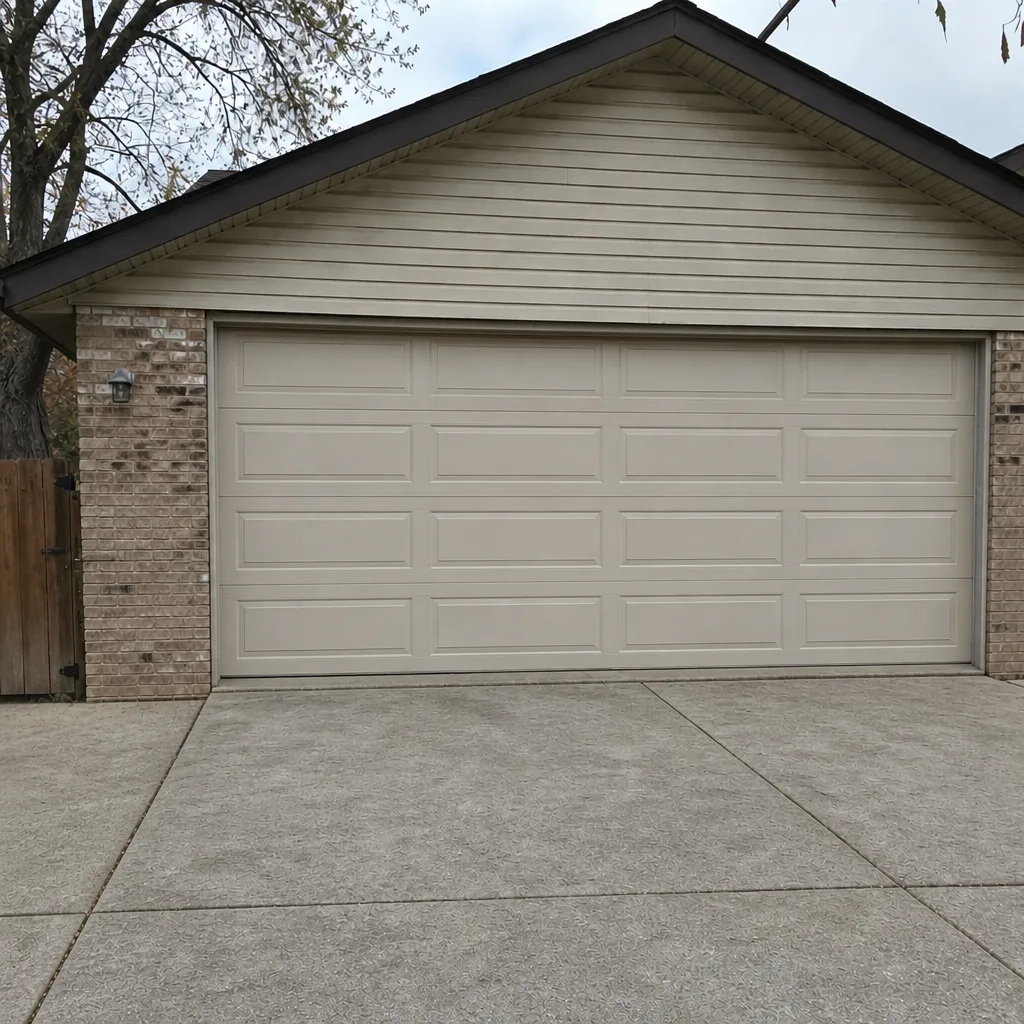
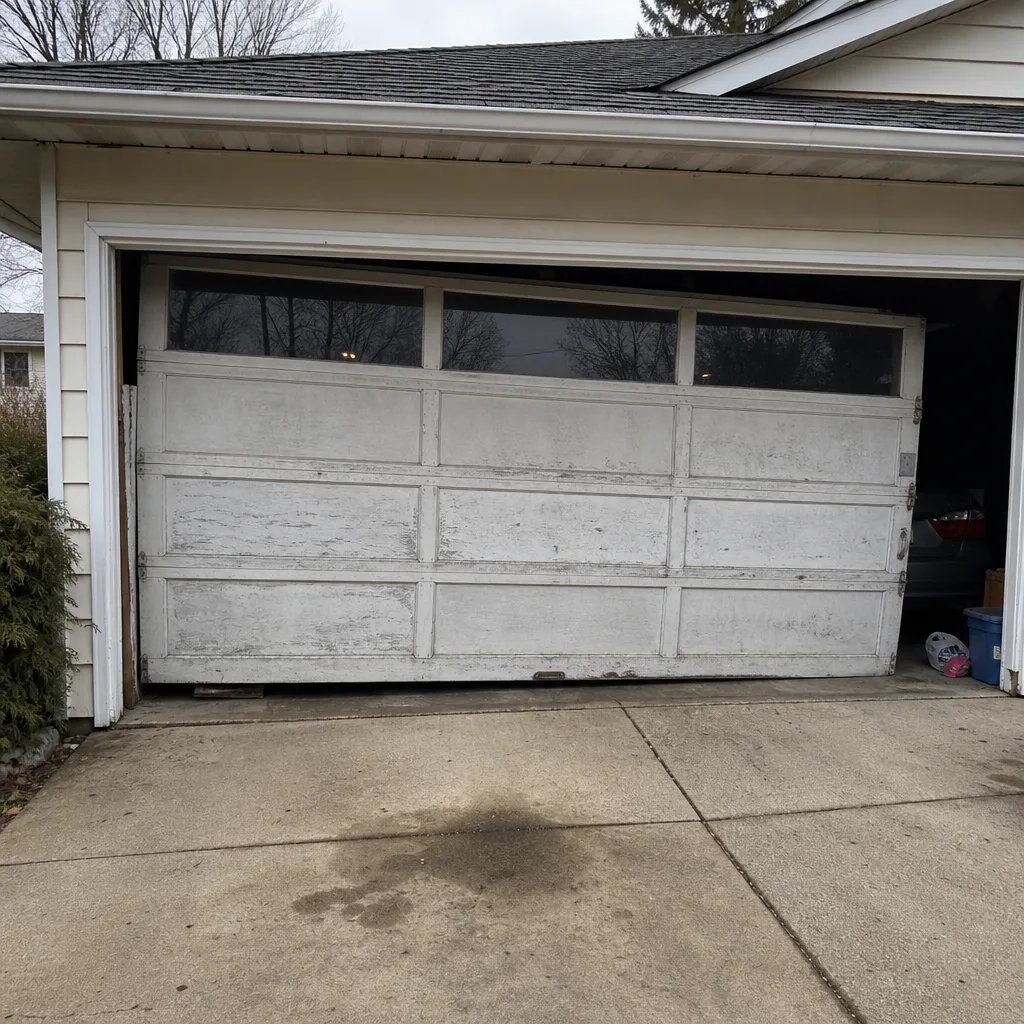
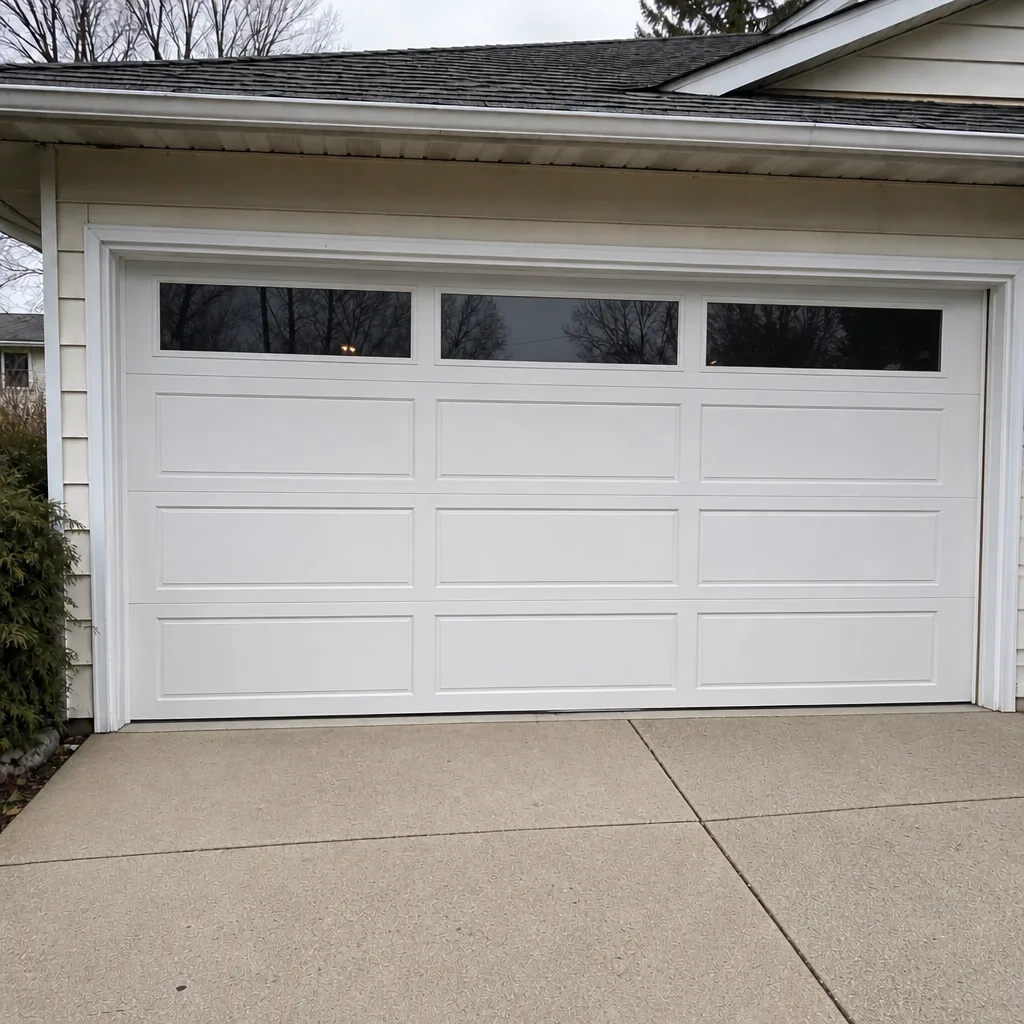
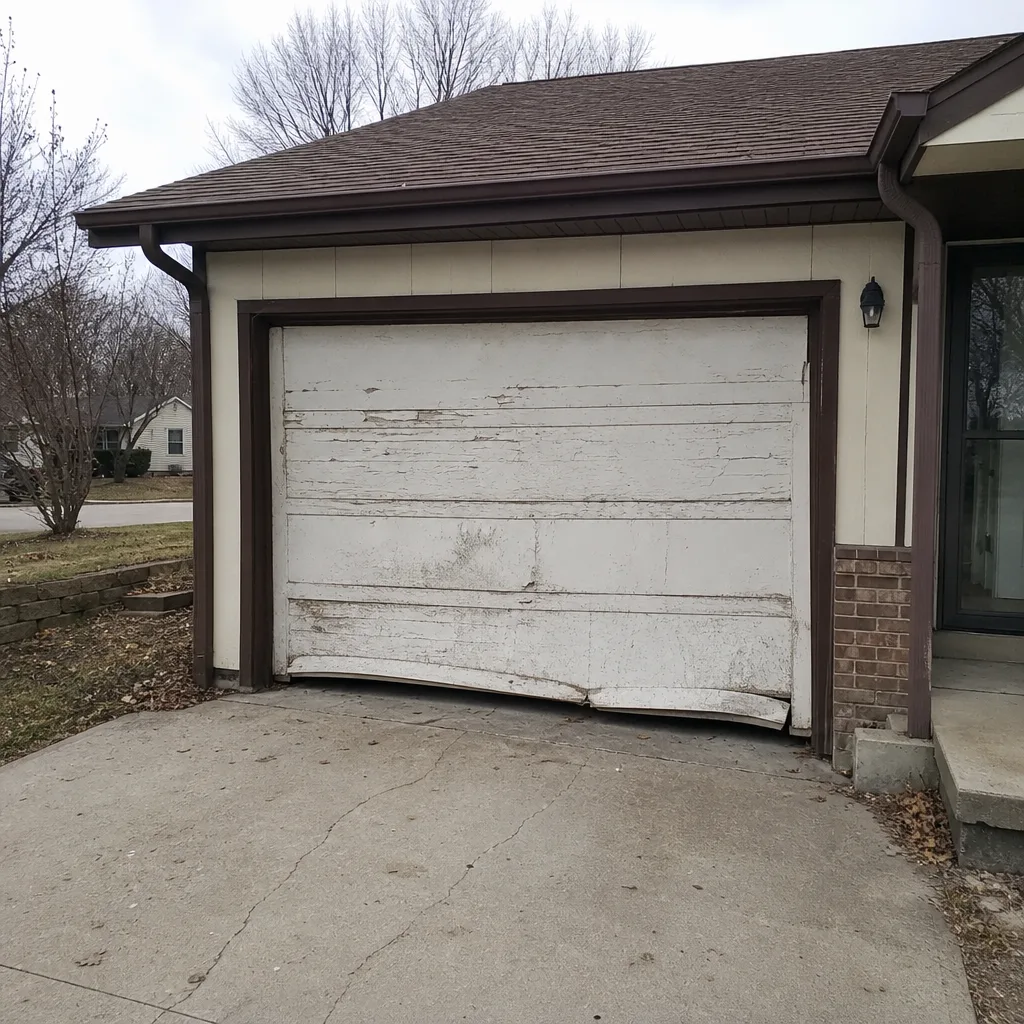
See the difference
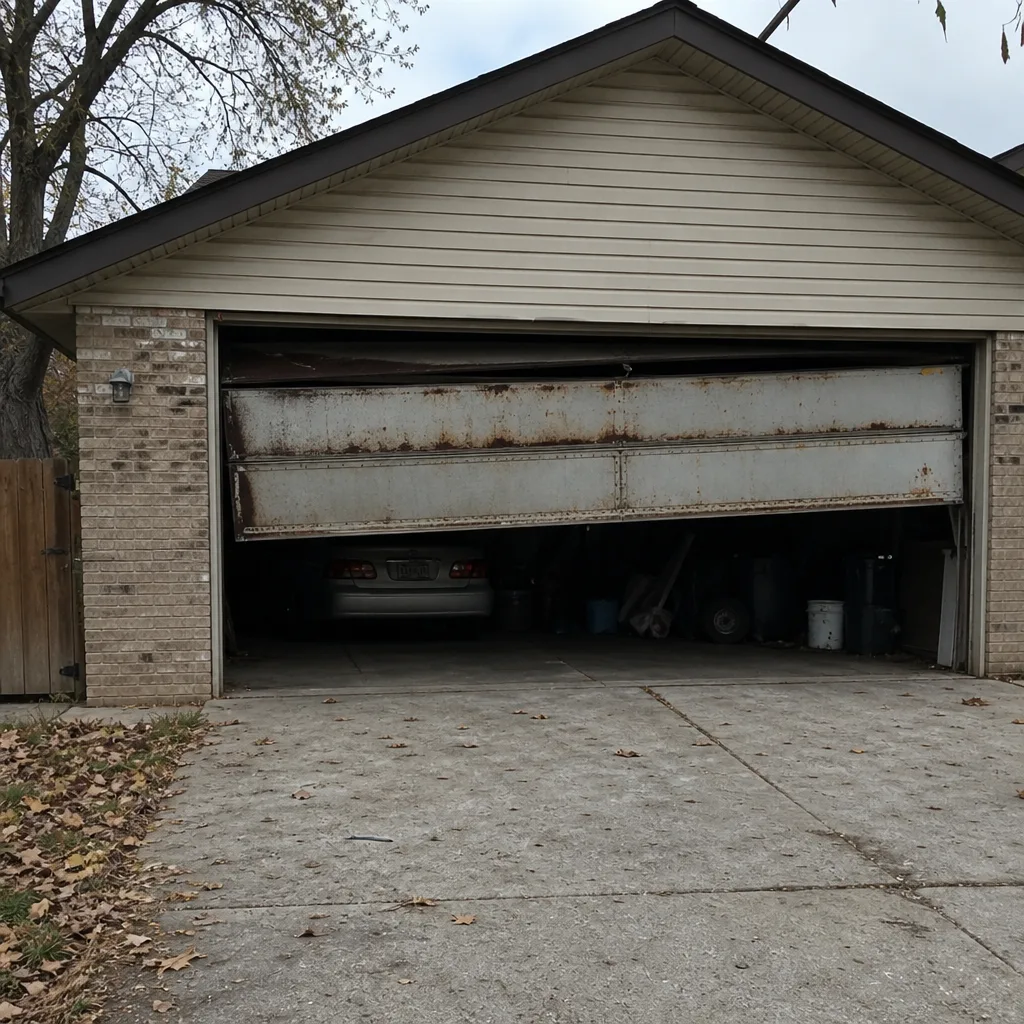 Before
 After
 Before
 After
 Before
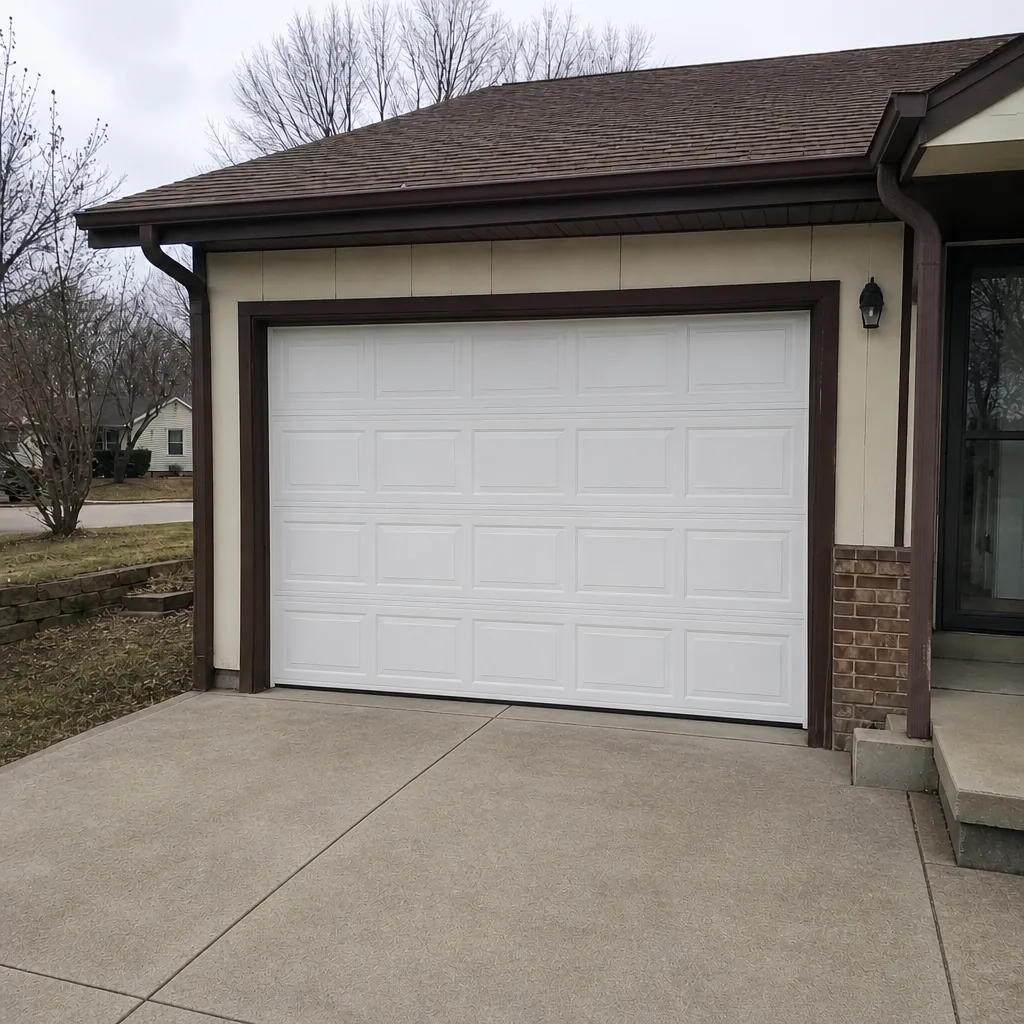 After
When to Call a Professional
Most garage door problems in Bloomington are either too heavy or too dangerous for a weekend homeowner fix. A spring that has snapped, a cable that has come off, a door that won’t close flush against the frame, a door that comes off the track, or an opener that runs but doesn’t lift the door are all signs that it’s time to call. The same is true when the door is stuck down with a car inside or stuck open with the house exposed; those are the calls we take seriously. Bloomington Garage Door Repair Co offers free estimates in Bloomington, and our technicians have up to 14 years of experience with the brands already in area garages, including LiftMaster, Chamberlain, Genie, and Clopay. We answer 24/7, with fast dispatch from 7am to 7pm, Sunday through Friday. Call (833) 508-9255 for a free estimate.
Frequently Asked Questions
Garage door replacement in Bloomington typically runs $1,300 to $2,600 for a single-car insulated door and $2,200 to $4,500 for a two-car insulated door, installed. The written estimate, not a national average, sets the final price. Call (833) 508-9255 for an exact quote; estimates are free.
Quotes differ because of the door model, insulation rating, track configuration, and whether the estimate includes disposal, weatherstripping, and permit costs. A quote that’s 30% below the range usually has a missing line item. Ask for the parts list in writing before you compare.
For an attached garage in Bloomington, yes. Insulation slows the cold transfer through the door, protects the wall between the garage and the house, and gives the spring and rollers a gentler cycle in winter. Treating it as a fixed cost rather than an upgrade is the sensible approach here.
Spring replacement is one of the smaller jobs on the list, usually a few hundred dollars per spring, and a matched pair is usually replaced together, so the pair costs about twice the single-spring price. Never attempt a spring replacement yourself; the stored energy can seriously injure you. Call (833) 508-9255 for an exact quote on your door.
We can often schedule same-day service when the door is stuck or the garage is left unsecured. We answer 24/7, with fast dispatch from 7am to 7pm, Sunday through Friday. Call (833) 508-9255 and we’ll find the nearest opening in the schedule.
No. The written estimate is the price, and the price is quoted and agreed before any work starts. The diagnostic tells us what’s wrong; the estimate tells you what the fix costs; the two are separate conversations, and the estimate is the one that sets the final number.
The Bottom Line
Bloomington homeowners in 2026 should expect $1,300 to $2,600 for a single-car insulated replacement and $2,200 to $4,500 for a two-car door, installed. Insulation is not optional here; it’s the cost of a door that survives a Minnesota winter and protects the house behind it. Spring replacement is inexpensive but high-risk, and it belongs with a trained technician. Torsion springs cost more up front and usually earn that cost back on a door that cycles often. A fair diagnostic fee is stated up front and credited toward the repair, and the written estimate, not the range in this guide, is the number that matters. When the door needs a look, we’re here to walk through it clearly and get it done once. Our garage door repair team can take a look at what’s on the door now and quote the fix in writing.
Contact
For a free estimate on any garage door job in Bloomington, call (833) 508-9255. We answer 24/7, with fast dispatch from 7am to 7pm, Sunday through Friday. Whether it’s a snapped spring, an opener that quit, or a full replacement, we’ll quote a fair price in writing before any work starts.
Written by the team at Bloomington Garage Door Repair Co.